AI & Robotics: Top Startup Investment Trends for 2026
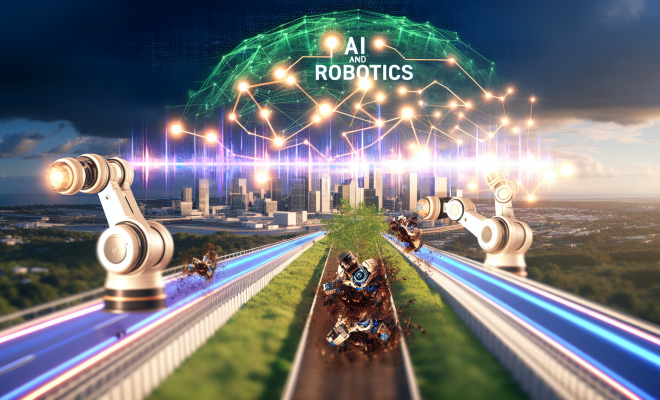
As we delve into 2026, the landscape of startups and venture capital investments is undergoing a significant transformation. The focus is shifting away from traditional Software as a Service (SaaS) models to a new frontier characterized by advanced computational power, proprietary data, and the integration of artificial intelligence (AI) into various sectors. On March 16, 2026, several key trends emerged that are reshaping this dynamic environment, particularly in AI infrastructure, robotics, and vertical AI solutions.
The Rise of AI Infrastructure
One of the most notable trends is the surge in funding directed towards AI infrastructure. Companies that provide the backbone for AI technologies are becoming increasingly attractive to investors. This shift reflects a broader understanding that the future of AI will depend heavily on robust infrastructure capable of supporting complex algorithms and large-scale data processing.
For instance, Advanced Machine Intelligence has successfully raised over $1 billion to further develop AI systems focused on reasoning and planning capabilities. This ambitious funding round underscores a growing recognition of the need for sophisticated AI that can not only learn but also make decisions based on context and information.
Strategic Partnerships Driving Innovation
In a bid to enhance their computational capabilities, startups are increasingly forming strategic partnerships. A prime example is the collaboration between Thinking Machines Lab and Nvidia, which aims to leverage Nvidia’s powerful computing technology for large-scale AI applications. This partnership signals a trend where startups look to align with established tech giants to accelerate their growth and innovation.
Significant Capital for AI Cloud and Data Centers
Another significant development in the venture capital sphere is the funding secured by Nscale, which attracted a staggering $2 billion for the development of AI cloud and data centers. As businesses increasingly rely on cloud-based solutions for their operations, investments in infrastructure that supports these services are critical. Nscale’s funding is indicative of a broader trend where investors prioritize scalability and efficiency in AI-driven cloud services.
Corporate AI Integration Becoming a Priority
The integration of AI into corporate structures is also gaining traction. Legora, a startup focused on corporate AI solutions, has attracted substantial investment aimed at enhancing AI capabilities within organizations. This investment trend reflects a growing recognition among investors that businesses are looking to AI not just as a tool for efficiency, but as a fundamental component of their strategic plans.
Investors Favoring Technological Moats
One of the overarching themes in the current investment climate is the emphasis on startups that create technological moats. Investors are increasingly looking for companies that can protect their innovations and market positions through proprietary technologies and unique data advantages. This approach not only safeguards investments but also positions these startups for long-term success in competitive markets.
- Focus on Hardware-Integrated Robotics: Capital is flowing into robotics that combines hardware with software capabilities. Investors are drawn to companies that can integrate physical robotics with advanced AI functionalities, moving beyond purely software-based solutions.
- Vertical AI Solutions: Startups that are developing AI solutions tailored to specific industries are also gaining traction. Vertical AI applications are seen as the future, offering specialized insights and automation that generic solutions cannot provide.
Conclusion: A New Era of Investment Opportunities
As the startup ecosystem continues to evolve, the emphasis on AI infrastructure, robotics, and vertical solutions is reshaping how investors approach opportunities in the tech sector. The substantial capital raised by companies like Advanced Machine Intelligence, Nscale, and Legora demonstrates a clear trend toward building more integrated and powerful AI systems.
This new focus represents not just a shift in technology but also a change in the economic landscape, where technological moats and innovative partnerships will define the next generation of successful startups. As we move further into 2026, the intersection of AI, robotics, and data infrastructure is set to create a myriad of opportunities for entrepreneurs and investors alike, marking a pivotal moment in the evolution of the tech industry.