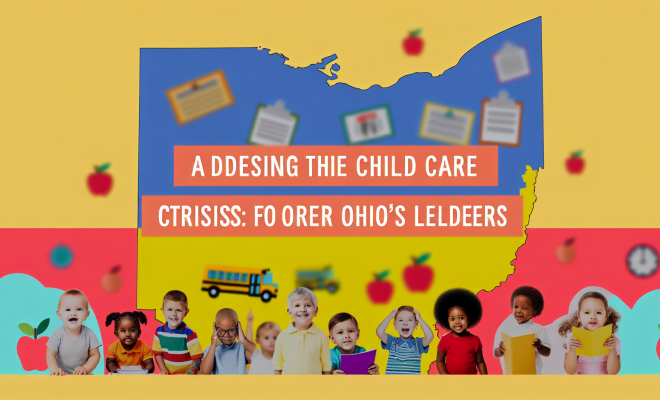
Ohio’s Child Care Crisis: Leaders Urged to Act Now
The high cost of child care is becoming an increasingly pressing issue for families across Ohio, and recent discussions have highlighted the urgent need for state leaders to take significant action. Advocacy groups are calling out Governor Mike DeWine for his failure to address this critical problem in his recent State of the State speech, urging him and other state officials to prioritize affordable child care solutions.
The Economic Impact of Child Care Costs
Ohio House Minority Leader Dani Isaacsohn has been vocal in expressing how exorbitant child care costs are forcing parents, particularly mothers, to choose between staying home and pursuing careers. This decision not only affects families but also stifles economic growth across the state. “When parents are unable to work because of the high cost of child care, it limits our workforce and ultimately hinders our economy,” Isaacsohn stated.
The economic implications of high child care costs extend beyond individual families. According to recent studies, families spend an average of 10-20% of their income on child care, which is a significant burden that can lead to financial instability. This economic strain can discourage parents from participating in the workforce, leading to a ripple effect that impacts productivity and growth.
Advocacy Groups Weigh In
Organizations like the Care Economy Organizing Project are advocating for comprehensive solutions to the child care crisis. Tami Lunan, a representative from the organization, emphasizes the importance of investing in child care, arguing that it supports not only families but also all industries. “Affordable child care is essential for a thriving workforce and economy,” Lunan remarked.
Advocacy groups have proposed several potential solutions to address the high costs associated with child care:
- State Vouchers: Implementing a system where the state provides vouchers to families to help offset child care costs.
- Tax Credits: Offering tax credits to families that can be applied toward child care expenses.
- Sliding Fee Scales: Establishing a tiered payment structure that adjusts costs based on a family’s income.
- Employer Perks: Encouraging businesses to provide child care benefits as part of their employee compensation packages.
Legislative Action Needed
As the conversation around affordable child care continues to gain momentum, it is becoming increasingly clear that legislative action is necessary. Governor DeWine’s administration has the opportunity to lead the charge in addressing this crisis. By prioritizing child care in state budgets and policies, leaders can make a significant difference in the lives of families.
Moreover, the need for affordable child care is not only a personal issue for families but also a broader societal concern. When parents are able to access affordable child care, they are more likely to contribute to the economy, pursue their careers, and provide a stable environment for their children. This, in turn, fosters a healthier, more productive workforce.
Community Support and Engagement
Local communities also play a vital role in supporting families through the provision of affordable child care options. Community organizations and non-profits can collaborate with state leaders to develop innovative solutions tailored to local needs. By working together, communities can create a supportive ecosystem that alleviates the burden of child care costs.
Additionally, engaging parents in the conversation is crucial. Families should have a voice in shaping policies and programs that affect their access to child care. Hosting community forums, surveys, and discussions can help gather valuable input and ensure that proposed solutions align with the actual needs of families.
A Vision for the Future
As Ohio faces the challenges of high child care costs, the path forward requires a commitment from both state leaders and community members. By working together to implement effective policies, Ohio can pave the way for a future where all families have access to affordable and quality child care.
In conclusion, the call to action is clear: Ohio’s leaders must prioritize affordable child care solutions to support families and stimulate economic growth. With concerted efforts and innovative approaches, it is possible to create a child care system that benefits everyone and ensures a brighter future for the state’s children.