Warning: Millions Face Skyrocketing Student Loan Payments — Act Now or Pay the Price

“`html
If you’re one of the millions of Americans carrying federal student loan debt, you need to pay close attention. A critical deadline is looming, and if you don’t act swiftly, your monthly student loan payments could skyrocket – not just by a little, but significantly. We’re talking about a situation that could push countless borrowers into financial distress, and frankly, it’s a mess. The first wave of these deadlines hits on September 29th, marking the end of a 90-day window for a specific group of borrowers. But this isn’t just about a single date; it’s about a broader, system-wide issue that threatens to turn the already complex world of student loan payments into a full-blown crisis for many.
The core of the problem lies with the ‘Saving on a Valuable Education’ (SAVE) repayment plan, or rather, its impending demise for certain groups. This Biden-era program offered a lifeline to many, making student loan payments more manageable. However, due to political shifts and administrative changes initiated by the previous administration, the Education Department is now set to automatically transition non-compliant borrowers off SAVE and, disturbingly, onto the most expensive repayment plans available. This isn’t just a minor administrative hiccup; it’s a policy change with direct, devastating financial consequences for millions. And if you think navigating this transition will be smooth, think again. Borrowers are already reporting a litany of glitches, conflicting advice from servicers, and sheer frustration trying to figure out their next steps. This isn’t just bad policy; it’s a breakdown in execution that could leave countless people in a worse financial position than they were before.
1. The Looming September 29th Deadline and What It Means for Your Student Loan Payments
For a significant portion of federal student loan borrowers, September 29th isn’t just another date on the calendar; it’s a financial cliff edge. This date marks the culmination of a 90-day window for the first group of borrowers who need to transition off the ‘Saving on a Valuable Education’ (SAVE) repayment plan. If you fall into this category and fail to take action before this deadline, the consequences for your student loan payments could be severe and immediate.
The Education Department’s plan, which is rooted in efforts from the Trump administration to dismantle the Biden-era SAVE program, is to automatically re-enroll non-compliant borrowers into the most expensive repayment plans available. Imagine going from a manageable, income-driven payment to a standard, higher payment overnight, without your explicit consent. This isn’t just an inconvenience; for many, it could mean the difference between keeping up with bills and falling behind. It’s a critical moment for millions to reassess their repayment strategy and ensure they’re not caught off guard by dramatically increased student loan payments.
2. The Demise of SAVE: Understanding the Political Undercurrents
To truly grasp the current chaos surrounding student loan payments, we need to understand the political history behind the SAVE plan itself. The ‘Saving on a Valuable Education’ program was a cornerstone of the Biden administration’s efforts to provide relief to student loan borrowers, particularly those struggling with high balances relative to their income. It was designed to offer more affordable monthly payments, often significantly lower than traditional plans, and even lead to faster loan forgiveness for some.
However, the SAVE plan has been a political football from its inception. The Trump administration, upon taking office, moved to roll back many of the previous administration’s student loan policies, including dismantling aspects of what would become the SAVE program. This current push to automatically re-enroll borrowers into higher-cost plans is a direct consequence of those earlier administrative decisions. It’s a reminder that student loan policy is not static; it’s constantly shaped by the political winds, often leaving borrowers scrambling to adapt to changes that are entirely out of their control.
3. The Default Trap: Why Borrowers Are at Higher Risk
One of the most alarming aspects of this entire situation is the increased risk of default for millions of borrowers. When student loan payments suddenly jump, especially without clear communication or easy pathways to adjust, many people simply won’t be able to afford them. Advocacy groups, such as the Student Debt Crisis Center, are already inundated with complaints, suggesting that this isn’t a hypothetical risk but a very real and present danger.
Defaulting on federal student loans carries serious long-term consequences, including damaged credit scores, wage garnishment, and even the withholding of tax refunds. It’s a spiral that can be incredibly difficult to escape, and the current administrative turmoil around the SAVE plan only exacerbates this risk. For borrowers who were barely treading water with their previous, lower payments, the sudden shift to a more expensive plan could be the final push into financial ruin. This isn’t just about managing debt; it’s about avoiding a financial catastrophe that could affect families for years to come.
4. System Glitches and Conflicting Guidance: The Borrower’s Nightmare
Even if you’re aware of the deadline and motivated to act, the path to compliance is far from smooth. Borrowers are reporting widespread system glitches across various loan servicer platforms. Imagine trying to log in, select a new repayment plan, and consistently encountering error messages or pages that simply don’t load. It’s an exercise in frustration that many are currently enduring.
Compounding these technical issues is the problem of conflicting guidance. Borrowers reaching out to their loan servicers for clarity are often met with inconsistent information, wrong advice, or simply a lack of understanding from customer service representatives. This isn’t surprising, given the rapid changes and the sheer volume of inquiries. However, it leaves borrowers in an impossible position: trying to meet a critical deadline with inadequate tools and unreliable information. It’s a recipe for confusion and, ultimately, for missed deadlines and higher student loan payments. (See: U.S. Department of Education announcement.)
5. The Social Media Storm: Amplifying Borrower Frustration
In our hyper-connected world, financial crises don’t stay quiet. The issues surrounding these impending student loan payments are generating massive social media engagement. Platforms like X (formerly Twitter), Facebook, and Reddit are overflowing with stories of frustration, confusion, and anger from borrowers. People are sharing their experiences with glitches, their despair over rising payment estimates, and their outrage at the perceived injustice of the situation.
This isn’t just online venting; it’s a powerful indicator of the widespread impact and emotional toll this situation is taking. Student debt is already an emotionally charged issue, touching on aspirations for education, economic mobility, and financial security. When administrative chaos threatens to undermine these goals, the public outcry is both predictable and understandable. The sheer volume of shared experiences highlights that this isn’t an isolated problem, but a systemic one affecting millions.
6. Navigating the Transition: What You Need to Do Now for Your Student Loan Payments
Given the urgency and the potential for increased student loan payments, proactive steps are absolutely essential. First and foremost, identify your loan servicer and log into your account immediately. Don’t wait until the last minute, especially with the reported system glitches. Check your current repayment plan status and look for any communications from your servicer regarding the SAVE plan transition.
If you were on the SAVE plan, or believe you should have been, you need to explore alternative income-driven repayment (IDR) plans. The Revised Pay As You Earn (REPAYE) plan, Pay As You Earn (PAYE) plan, and Income-Contingent Repayment (ICR) plan are typically the next best options for keeping your student loan payments manageable. You’ll likely need to resubmit income documentation, so gather recent pay stubs or tax returns. Be persistent, even if you encounter technical difficulties or confusing advice. Document every interaction, including dates, times, and the names of any representatives you speak with. This paper trail could be invaluable if you need to dispute an incorrect re-enrollment later on.
7. Beyond the Deadline: Long-Term Strategies for Managing Student Loan Payments
While addressing the immediate deadline is critical, it’s also an opportunity to re-evaluate your long-term strategy for managing your student loan payments. Don’t just pick the next available plan; truly understand the implications of each option. Consider factors like your current income, future earning potential, family size, and your overall financial goals. Are you aiming for the lowest possible monthly payment, or are you prioritizing paying off your loans faster, even if it means higher payments now?
Explore resources beyond your loan servicer. Non-profit credit counseling agencies specializing in student debt can offer unbiased advice and help you navigate the complexities of federal loan programs. Websites like studentaid.gov provide comprehensive information on all federal repayment plans, forgiveness programs, and consolidation options. Remember, your financial situation isn’t static, and your repayment plan shouldn’t be either. Regularly review your options, especially if your income changes or if new programs become available. Being informed and proactive is your best defense against unexpected increases in your student loan payments.
8. The Broader Impact: An Economic Ripple Effect
The individual struggles faced by borrowers will inevitably have a broader economic ripple effect. When millions of people face sudden, significant increases in their student loan payments, it leaves less discretionary income for other essential spending. This isn’t just about personal budgets; it affects consumer spending, which is a major driver of economic growth. Fewer people buying homes, cars, or even everyday goods can slow down local economies and, on a larger scale, impact national economic indicators.
Furthermore, the increased risk of default could strain the federal student loan system itself. While the government is the lender, widespread defaults create administrative burdens and can lead to further political debates about the efficacy and fairness of the entire student loan program. It’s a complex web where individual financial health, administrative efficiency, and national economic stability are all intertwined. The current chaos around student loan payments isn’t just an education issue; it’s an economic one with far-reaching consequences.
9. Advocacy and Accountability: What’s Being Done to Help?
Amidst the confusion and frustration, advocacy groups are playing a crucial role. Organizations like the Student Debt Crisis Center are not only fielding complaints but also actively working to raise awareness, put pressure on the Education Department, and push for solutions. They are amplifying borrower voices, documenting systemic issues, and advocating for clearer communication, better technical support, and more borrower-friendly transition processes.
These groups understand that the current situation isn’t just about individual responsibility; it’s about government accountability. When a system designed to help borrowers becomes a source of stress and potential financial harm due to administrative glitches and policy shifts, there’s a clear need for intervention. Their efforts are vital in ensuring that the struggles of individual borrowers don’t go unheard and that the Education Department is held accountable for providing a smooth and fair transition for everyone impacted by these changes to student loan payments.
10. Understanding the Nuances of Income-Driven Repayment (IDR) Plans
Since the SAVE plan is undergoing changes, it’s crucial to understand the other income-driven repayment (IDR) plans available and how they might affect your student loan payments. These plans are designed to make your payments affordable based on your income and family size, but they each have slightly different formulas and forgiveness timelines. For instance, the original Pay As You Earn (PAYE) plan caps payments at 10% of your discretionary income, but never more than what you’d pay on the Standard Repayment Plan. This can be a good safety net if your income increases significantly. On the other hand, the Revised Pay As You Earn (REPAYE) plan also uses 10% of discretionary income, but it doesn’t have that payment cap, meaning your payments could potentially exceed the standard plan amount if your income is high. However, REPAYE also offers more generous interest subsidies. (See: CDC on financial literacy.)
Then there’s the Income-Contingent Repayment (ICR) plan, which is often seen as a less generous option, calculating payments based on 20% of discretionary income or what you’d pay on a fixed 12-year repayment plan, whichever is less. It’s important to remember that not all loans qualify for all IDR plans. For example, some older FFEL Program loans might only be eligible for ICR unless you consolidate them into a Direct Consolidation Loan. Taking the time to compare these plans using the Loan Simulator tool on studentaid.gov can help you find the best fit for your specific financial situation and minimize the shock to your student loan payments.
11. The Psychological Toll of Student Loan Debt and Payment Uncertainty
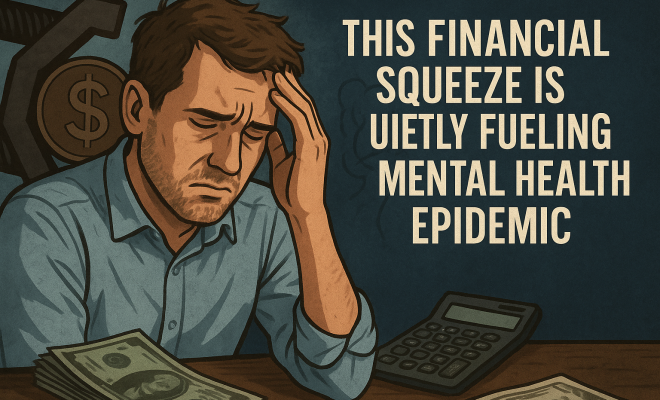
Beyond the immediate financial crunch, the ongoing uncertainty around student loan payments takes a significant psychological toll on borrowers. Living with the constant worry of suddenly increased bills, navigating complex government websites, and dealing with inconsistent information from loan servicers can lead to immense stress, anxiety, and even depression. Many borrowers have built their budgets and life plans around certain payment expectations, and when those expectations are abruptly shattered, it creates a feeling of instability and helplessness.
This emotional burden isn’t just anecdotal. Studies consistently show a correlation between high student loan debt and mental health issues. The current administrative chaos compounds this by adding layers of frustration and a sense of being unfairly targeted. It’s not just about dollars and cents; it’s about people’s peace of mind, their ability to plan for the future, and their overall well-being. Recognizing this human element is crucial to fully understanding the impact of these policy shifts on millions of Americans.
12. The Role of Loan Servicers: A Closer Look at the Front Lines
Loan servicers are often the first point of contact for borrowers, and their performance is critical to the smooth functioning of the student loan system. However, they’re currently caught in the middle of complex policy changes, system migrations, and a massive influx of borrower inquiries. While borrowers experience frustration with glitches and conflicting advice, it’s also true that servicers themselves face immense challenges. They operate under contracts with the Education Department, are subject to changing regulations, and must train thousands of customer service representatives on highly intricate and frequently updated policies.
The sheer volume of federal student loan borrowers – tens of millions – means that even minor administrative changes can overwhelm servicer capacity. When the Education Department implements a major policy shift like the SAVE plan transition, servicers have to rapidly update their systems, communication protocols, and training materials. This often leads to the very glitches and inconsistent advice that borrowers are reporting. While it doesn’t excuse poor service, understanding the pressure servicers are under helps paint a more complete picture of why the system is struggling and why clear, consistent directives from the top are so vital.
13. Potential Legislative Responses and Future Policy Outlook
The current turmoil around student loan payments could also spur legislative action or further policy debates. While the immediate changes stem from administrative decisions, the widespread public outcry and economic impact might force lawmakers to re-examine the federal student loan system. There’s ongoing discussion in Congress about the future of income-driven repayment, the cost of higher education, and the government’s role in managing student debt.
Different political factions hold vastly different views. Some advocate for broader loan forgiveness and more generous repayment terms, while others push for stricter repayment enforcement and reduced government involvement. The current situation highlights the fragility of existing policies and the need for more stable, bipartisan solutions that don’t leave borrowers in limbo every time there’s a change in administration. Keep an eye on news from Capitol Hill, as any significant legislative movement could reshape the landscape for your student loan payments in the years to come.
Frequently Asked Questions (FAQ) About Student Loan Payments
Q1: What is the SAVE plan and why is it changing?
The SAVE (Saving on a Valuable Education) plan is an income-driven repayment (IDR) plan designed by the Biden administration to lower monthly student loan payments for many federal borrowers. It calculates payments based on a smaller percentage of discretionary income and offers faster forgiveness for some. The plan is undergoing changes and, for certain groups, automatic re-enrollment onto more expensive plans due to administrative decisions initiated by the previous administration to roll back aspects of the program. This isn’t a complete elimination of SAVE, but a transition impacting specific borrowers.
Q2: How do I know if I’m affected by the September 29th deadline?
The September 29th deadline primarily affects the first wave of borrowers who were previously on the SAVE plan and are now subject to an automatic transition off of it if they haven’t taken specific action. The best way to confirm if you’re impacted is to log into your federal student loan servicer’s website or studentaid.gov. Look for direct communications from your servicer via email or mail. If you were on SAVE, or believe you should have been, you should proactively check your status. (See: New York Times on student loan crisis.)
Q3: What happens if I miss the deadline?
If you miss the deadline and are among the affected borrowers, the Education Department plans to automatically transition you off the SAVE plan and onto a more expensive repayment plan, often the Standard Repayment Plan. This will result in significantly higher monthly student loan payments. You could face immediate financial hardship, increased risk of default, and a scramble to re-apply for an income-driven plan, which could take time to process.
Q4: What should I do right now to avoid higher student loan payments?
Immediately log into your loan servicer’s website and studentaid.gov. Check your current repayment plan status. If you were on SAVE, or are unsure, identify which income-driven repayment (IDR) plan you are currently enrolled in. If you need to switch or enroll in an IDR plan, like PAYE, REPAYE, or ICR, apply as soon as possible. Gather necessary income documentation (recent pay stubs, tax returns). Document all your interactions with your servicer, including dates, times, and names of representatives.
Q5: What are my alternative repayment options if SAVE is no longer viable for me?
Beyond SAVE, federal student loans offer several other income-driven repayment (IDR) plans: Revised Pay As You Earn (REPAYE), Pay As You Earn (PAYE), and Income-Contingent Repayment (ICR). Each plan has different eligibility requirements, payment calculation formulas, and forgiveness timelines. You can use the Loan Simulator tool on studentaid.gov to compare these plans based on your income, family size, and loan balance to find the most affordable option for your student loan payments.
Q6: I’m experiencing system glitches and getting conflicting information from my servicer. What can I do?
This is a common issue right now. First, be persistent. Try accessing your account at different times of the day. If you speak with a servicer representative, clearly state your issue and ask for specific solutions. Always document who you spoke with, when, and what advice was given. If you continue to face issues, you can file a complaint with the Federal Student Aid Ombudsman Group or the Consumer Financial Protection Bureau (CFPB). This documentation can be crucial if you need to dispute an incorrect change to your student loan payments later.
Q7: Will these changes affect private student loans?
No, these changes and the SAVE plan itself only apply to federal student loans. Private student loans are entirely separate and are governed by the terms set by the private lender. If you have private student loans and are struggling with payments, you’ll need to contact your private lender directly to discuss options, which may include forbearance or refinancing.
Q8: What is the long-term outlook for student loan policy?
The long-term outlook for student loan policy remains uncertain and is subject to political shifts. There’s ongoing debate in Congress about the structure of federal student aid, income-driven repayment, and potential loan forgiveness programs. The current administrative changes highlight the need for more stable policies. Borrowers should stay informed about legislative developments and be prepared to adapt their repayment strategies as policies evolve.
The bottom line is this: if you have federal student loans, you cannot afford to be complacent. The deadlines are real, the administrative hurdles are significant, and the financial consequences of inaction are severe. Take the time, make the calls, and navigate the systems, however imperfect they may be. Your financial future, and the stability of your monthly student loan payments, depend on it.
“`
Trending Now
Frequently Asked Questions
What happens to student loan payments after September 29th?
After September 29th, borrowers who do not comply with the new requirements may be transitioned off the 'Saving on a Valuable Education' (SAVE) repayment plan and placed onto more expensive repayment options, leading to significantly higher monthly payments.
How does the SAVE repayment plan affect my student loans?
The SAVE repayment plan was designed to make student loan payments more manageable for borrowers. However, if you do not act quickly, you risk being moved to less favorable repayment plans, which could increase your financial burden.
Why are student loan payments increasing for some borrowers?
Student loan payments are increasing for some borrowers due to administrative changes that will automatically transition non-compliant borrowers from the SAVE plan to the most expensive repayment plans, resulting in a potential financial crisis.
What should I do if I'm worried about my student loan payments?
If you're concerned about your student loan payments, it's crucial to act now. Review your repayment options, ensure compliance with the SAVE plan, and reach out to your loan servicer for guidance to avoid unexpected increases in your payments.
What are the consequences of missing the September 29th deadline?
Missing the September 29th deadline could result in being switched to higher-cost repayment plans, leading to increased monthly payments and financial distress for many borrowers, making it imperative to take action before the deadline.
What did we miss? Let us know in the comments and join the conversation.