Classroom Plants: Best, Worst, and Care Guide
“`html
Integrating classroom plants into educational spaces can significantly enhance the learning environment. Not only do plants improve air quality, but they also bring a sense of calm and engagement to students. This article will explore the best and worst plants for classrooms, how to care for them, the benefits that come with cultivating greenery in educational settings, and much more.
1. The Benefits of Classroom Plants
Classroom plants offer a range of benefits that can positively impact both students and teachers. Studies have shown that plants can improve air quality by absorbing carbon dioxide and releasing oxygen. This leads to a fresher atmosphere that can enhance focus and concentration among students. Additionally, plants can reduce stress levels and create a more inviting and relaxing learning space.
Moreover, having plants in the classroom can foster a sense of responsibility in students. Caring for a living organism teaches them about nurturing and the importance of environmental stewardship, while also serving as a hands-on lesson in biology and ecology.
Research conducted by the University of Queensland found that including plants in office spaces led to a 37% reduction in reported stress levels among employees. This evidence can be applied to classrooms, as a similar reduction in stress can positively impact students’ learning and behavior.
Furthermore, indoor plants have been shown to increase creativity and productivity. A study published in the Journal of Environmental Psychology indicated that participants working in environments with plants demonstrated higher creativity levels compared to those in sterile settings. By creating a stimulating atmosphere, classroom plants can help foster innovative thinking in young minds.
2. Top 5 Classroom Plants
Let’s take a closer look at some of the best classroom plants that are both easy to maintain and visually appealing:
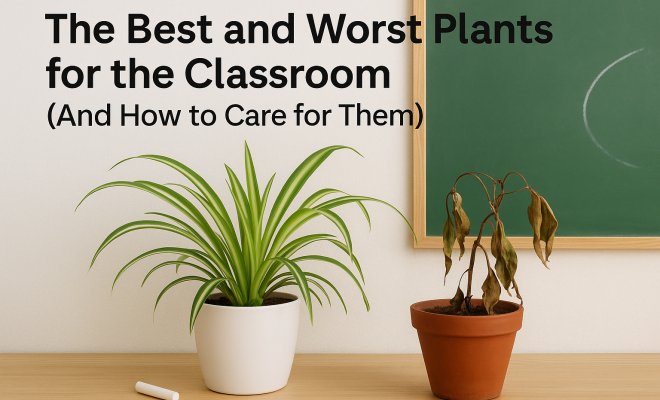
- Spider Plant (Chlorophytum comosum): This resilient plant is perfect for classrooms due to its air-purifying qualities. Spider plants are known to remove harmful pollutants, such as formaldehyde and xylene. They thrive in indirect sunlight and require minimal care, making them ideal for busy classroom environments.
- Pothos (Epipremnum aureum): Pothos is another low-maintenance option that can tolerate low light conditions. It grows quickly and can be trained to climb or trail, adding visual interest to the room. Its ability to filter indoor air pollutants makes it a popular choice.
- Peace Lily (Spathiphyllum): Known for its beautiful white flowers and glossy leaves, the peace lily is not only aesthetically pleasing but also an excellent air purifier. It prefers low light and moist soil, making it a great fit for classrooms.
- ZZ Plant (Zamioculcas zamiifolia): The ZZ plant is incredibly drought-tolerant and can survive in low light conditions, making it virtually indestructible. Its shiny, dark green leaves add a touch of elegance to any classroom.
- Snake Plant (Sansevieria trifasciata): Also known as mother-in-law’s tongue, this plant is known for its hardy nature. It can thrive on neglect, requiring very little water and low light. Snake plants convert CO2 into oxygen at night, which can improve air quality in the classroom.
3. How to Care for Classroom Plants
Caring for classroom plants doesn’t have to be a daunting task. Here are some general tips to ensure your plants thrive:
- Light Requirements: Understand the light needs of each plant. Many classroom plants prefer indirect sunlight, so placing them near windows or in well-lit areas will help.
- Watering: Overwatering is a common mistake. Check the soil moisture before watering. Most plants prefer to dry out slightly between waterings.
- Soil and Fertilizer: Use a good-quality potting mix that drains well. Fertilize during the growing season with a balanced liquid fertilizer to promote healthy growth.
- Pest Control: Keep an eye out for pests. Regularly inspect the plants and remove any dead leaves to prevent infestations.
- Temperature and Humidity: Most classroom plants prefer temperatures between 65°F and 75°F. Additionally, maintaining adequate humidity levels can help plants thrive, especially during dry winter months. You can increase humidity by misting the plants or placing a water tray nearby.
4. 5 Not-So-Great Plants for the Classroom
While many plants are suitable for classrooms, some can be problematic. Here are five plants you might want to avoid:
- Oleander (Nerium oleander): This plant is beautiful but highly toxic. All parts of oleander are poisonous if ingested, making it unsuitable for environments with young children.
- Dieffenbachia (Dumb Cane): While attractive, this plant can cause irritation if ingested. Its sap can lead to swelling and difficulty speaking, hence the nickname “dumb cane.”
- Philodendron: Similar to Dieffenbachia, many philodendrons are toxic if consumed. They can cause discomfort and should be kept out of reach of children.
- Foxglove (Digitalis purpurea): Known for its stunning flowers, foxglove contains toxic compounds that can affect heart function. Due to its toxicity, it’s best kept out of educational environments.
- Jade Plant (Crassula ovata): While not highly toxic, jade plants can cause mild digestive upset if ingested, making them less than ideal for classrooms.
5. Tips for Integrating Plants into the Classroom
Introducing plants into the classroom can be a rewarding experience. Here are some practical tips for integration: (See: study on plants and stress reduction.)
- Create a Plant Corner: Dedicate a small area of the classroom for plants. This can serve as a mini-garden where students can learn about plant care.
- Involve Students: Engage students in the care process. Assign responsibilities like watering or pruning, which can help them learn about plant biology.
- Use Plants for Lessons: Incorporate plants into your curriculum. Use them for science lessons on photosynthesis, ecosystems, or even art projects.
- Host Plant Care Workshops: Consider organizing workshops where students can learn about plant care techniques and the benefits of having plants in their lives. This can also involve parents or the community to foster a broader interest in gardening.
6. Seasonal Considerations for Classroom Plants
The changing seasons can have a significant impact on the care and maintenance of classroom plants. During winter, for instance, plants may require less water due to reduced sunlight and lower temperatures. Conversely, summer might necessitate more frequent watering as plants actively grow.
It’s also essential to consider seasonal decorations. Some plants can support thematic learning during holidays or special occasions. For example, incorporating potted poinsettias during Christmas or vibrant tulips in spring can enhance the classroom atmosphere.
Additionally, seasonal changes may also influence plant selection. For instance, using hardy outdoor plants in the classroom during the warmer months can teach students about seasonal growth cycles.
7. Classroom Plants and Mental Health
Research indicates that plants can have a positive effect on mental health. In a classroom setting, the presence of greenery has been linked to reduced anxiety and increased feelings of well-being among students. The act of nurturing plants can also provide emotional benefits, serving as a calming activity amidst busy school days.
Moreover, incorporating plants into educational activities can promote mindfulness. Students can take a moment to observe their growth and reflect on their care routines, fostering a sense of accomplishment and connection to nature.
According to a study published in the Journal of Environmental Psychology, students exposed to indoor plants reported greater satisfaction with their learning environment. This highlights the importance of not just having plants, but also creating an environment where they can thrive and be appreciated.
In addition, plants can facilitate social interactions among students. A shared responsibility for plant care can encourage teamwork and communication, allowing students to connect with one another while learning valuable lessons about cooperation.
8. Plant Projects for Students
Engaging students with hands-on projects can make learning about plants more exciting. Here are a few project ideas that focus on classroom plants:
- Plant Growth Journals: Have students maintain a journal to track the growth of their plants. They can document changes, measure growth, and even sketch their observations.
- Classroom Ecosystem Models: Students can create miniature ecosystems using their classroom plants. This project can teach them about biodiversity and the importance of various plant species.
- Plant Art Projects: Encourage artistic expression by having students create art inspired by the classroom plants. They can draw, paint, or even create sculptures using natural materials.
- Science Experiments: Encourage students to conduct science experiments using their plants. They could test how different light conditions affect growth or how varying amounts of water impact health.
- Plant Diversity Research: Assign each student a plant type to research. They can present findings on its native habitat, care requirements, and ecological significance.
- Cooking with Classroom Plants: If your class is growing herbs such as basil or mint, consider incorporating them into cooking lessons. Students can learn about culinary uses and the nutritional benefits of these plants.
9. Resources for Plant Care in Classrooms
To ensure the success of classroom plants, teachers can utilize various resources. Local horticultural societies often offer workshops on plant care and can provide advice tailored to specific species. Online platforms, including gardening forums and educational websites, can also serve as valuable resources.
Additionally, many schools are beginning to incorporate plant care into their science curricula, providing students with access to more structured learning opportunities around botany. (See: research on indoor plants and productivity.)
Online databases such as the USDA Plant Database can help educators find information on plant care, growth habits, and potential issues. Engaging with local gardening clubs can also provide practical tips and help build a community of plant enthusiasts among educators.
Bookmarks of reliable gardening blogs, social media groups focused on indoor plants, and YouTube channels dedicated to plant care can also be beneficial for both teachers and students. Students might enjoy sharing their plant care journeys on social media, fostering a sense of community around their shared interests.
10. Final Thoughts on Classroom Plants
Introducing classroom plants can transform an educational environment, fostering a sense of responsibility, enhancing air quality, and enriching students’ overall well-being. By carefully selecting plants that are suitable for classrooms and providing students with hands-on opportunities to learn about plant care, educators can create a vibrant and engaging learning atmosphere.
Whether through simple potted plants or elaborate ecosystems, the integration of greenery in classrooms offers numerous benefits that extend beyond aesthetics. As we continue to recognize the importance of natural elements in our lives, classroom plants will undoubtedly play a crucial role in shaping a healthier, more mindful future for the next generation.
11. Frequently Asked Questions about Classroom Plants
Here are some common questions and answers regarding classroom plants:
What are the easiest plants to care for in a classroom setting?
Some of the easiest plants for classrooms include the spider plant, pothos, and snake plant. These plants thrive on neglect and can tolerate varying light conditions, making them perfect for busy teachers and students.
Can classroom plants help with allergies?
Yes, many classroom plants can help filter airborne allergens and improve air quality. For example, peace lilies and snake plants can absorb common allergens and pollutants, potentially alleviating symptoms for sensitive students.
How often should classroom plants be watered?
The frequency of watering depends on the plant species and environmental conditions. A good rule of thumb is to check the soil moisture before watering—most plants prefer to dry out a little between waterings.
Are there any plants that should be avoided due to toxicity?
Yes, some plants can be toxic if ingested, such as oleander, dieffenbachia, and philodendron. It’s essential to research plant toxicity and select non-toxic options, especially in classrooms with young children.
Can students be involved in the care of classroom plants?
Absolutely! Involving students in plant care teaches responsibility and fosters a connection to nature. Assigning watering, pruning, and observation tasks can also enhance their learning experience.
What types of lessons can be taught using classroom plants?
Classroom plants can be integrated into various lessons, including biology (photosynthesis and plant anatomy), environmental science (ecosystems and biodiversity), and even art (plant-inspired projects). Teachers can get creative with how they incorporate plant care into the curriculum.
How can I incorporate seasonal plants into the classroom?
Seasonal plants can be used to teach students about changing ecosystems and plant life cycles. For instance, you can bring in blooming flowers in spring or colorful leaves in autumn and discuss their growth conditions and life stages.
What tools do I need for classroom plant care?
Basic tools for plant care include watering cans, pruning shears, moisture meters, and pots with drainage holes. Having these tools readily available can make it easier for students to participate in maintaining their classroom greenery. For more on this, see Encouraging creativity in classrooms.
Are there any specific challenges to consider when caring for classroom plants?
Yes, there are several challenges to keep in mind. For instance, varying classroom temperatures can affect plant growth, especially if windows are frequently opened. Additionally, the school schedule may limit the frequency of care, requiring plants that can withstand periods of neglect. It’s also important to consider the potential for allergies related to certain plant types, and to choose varieties that are hypoallergenic whenever possible.
How can classroom plants support STEM learning?
Classroom plants provide a practical application of STEM (Science, Technology, Engineering, and Mathematics) concepts. For instance, students can measure growth rates in different conditions (light, water, soil type) or explore the engineering aspects of how plants adapt to their environments. This kind of hands-on learning can stimulate interest in these subjects and help students understand complex theories through real-world examples.
“`
Trending Now
Frequently Asked Questions
What are the best plants for a classroom?
Some of the best plants for classrooms include the Spider Plant, Pothos, Peace Lily, Snake Plant, and ZZ Plant. These plants are not only visually appealing but also easy to care for and provide numerous benefits, such as improving air quality and reducing stress levels among students.
What are the worst plants for classrooms?
The worst plants for classrooms are typically those that are toxic or require high maintenance. Examples include Oleander, Foxglove, and certain types of ferns. These plants can pose health risks to students or require more care than is practical in an educational setting.
How do classroom plants benefit students?
Classroom plants benefit students by improving air quality, reducing stress, and fostering a sense of responsibility. They create a calming environment that can enhance focus and creativity, making learning more engaging and enjoyable.
How do you care for classroom plants?
Caring for classroom plants involves ensuring they receive adequate sunlight, watering them as needed, and occasionally fertilizing them. It's also important to monitor for pests and provide proper drainage to keep the plants healthy and thriving in the classroom environment.
Can plants help reduce stress in classrooms?
Yes, plants can help reduce stress levels in classrooms. Research indicates that having greenery in learning spaces can create a more inviting atmosphere, leading to lower stress and improved overall well-being for both students and teachers.
What's your take on this? Share your thoughts in the comments below — we read every one.