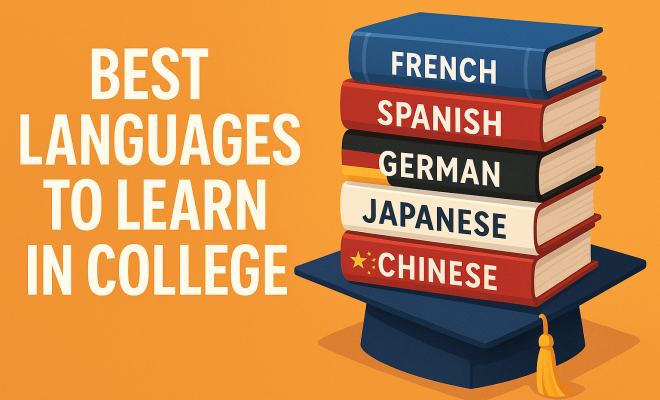
Best Languages to Learn in College
“`html
Choosing the right language to study in college can significantly shape your future career and personal opportunities. Some languages open doors to thriving job markets, while others can deepen cultural understanding and create lasting connections. In this article, we’ll explore the best languages to learn in college, offering insights into their global relevance, economic advantages, and cultural richness.
1. Spanish: A Language of Connectivity
Spanish is far more than just a beautiful language; it’s the second most spoken language in the world by native speakers. With over 460 million people speaking it as their first language, learning Spanish can enhance your employability in diverse fields ranging from business to healthcare. In the U.S., the Hispanic population is the fastest-growing demographic, making Spanish proficiency an invaluable asset.
Many industries actively seek Spanish speakers, especially in areas like education, social services, and international business. Companies with global reach, like Coca-Cola and Procter & Gamble, often favor candidates who can communicate with a Spanish-speaking audience. Additionally, cultural appreciation—through film, literature, and music—adds depth to your language learning experience, making it not just practical but also enriching.
In recent years, the demand for bilingual professionals has surged, with studies indicating that companies are willing to pay a premium for employees who can converse in Spanish. According to a report from the U.S. Bureau of Labor Statistics, jobs requiring Spanish language skills are expected to grow by 20% over the next decade, particularly in metropolitan areas with large Hispanic populations.
2. Mandarin Chinese: The Language of the Future
As the most spoken language globally, with over a billion speakers, Mandarin Chinese is a top contender for the best languages to learn in college. China’s status as a major global economic power translates into significant opportunities for those who are proficient in Mandarin. Industries such as technology, finance, and diplomacy are increasingly prioritizing Mandarin speakers.
Learning Mandarin can be challenging due to its tonal nature and complex writing system, but the effort pays off. Bilingual individuals can access job markets in international relations, trade, and cultural exchange, making it a strategic choice for future job seekers. Additionally, the rich cultural heritage of China—from literature to cuisine—provides a fascinating backdrop to your studies. (Spanish learning resources)
Recent statistics reveal that Chinese companies are increasingly investing in international ventures, with over $100 billion invested in the U.S. alone in the last decade. This trend creates a heightened demand for professionals who can navigate the language and cultural nuances, making Mandarin an attractive option for students aiming for global careers.
3. French: The Language of Diplomacy
French is often dubbed the language of diplomacy, and for good reason. As one of the official languages of many international organizations, including the United Nations and NATO, proficiency in French can open doors in a variety of fields, particularly international relations and global governance. With approximately 300 million speakers worldwide, French is influential not only in Europe but also in Africa and parts of North America.
Beyond professional benefits, learning French offers deep cultural insights. From literature and philosophy to cinema and art, French culture has profoundly influenced the world. For students interested in history, art, or politics, the ability to communicate in French can enhance their understanding and appreciation of these subjects.
Additionally, with a growing focus on Francophone nations in Africa, where economies are expanding rapidly, French speakers are finding new opportunities in emerging markets. The demand for French-speaking professionals in sectors like education, technology, and healthcare is on the rise, with countries like Ivory Coast and Senegal becoming economic hubs.
4. German: The Language of Innovation
German is the most widely spoken native language in Europe and is recognized for its contributions to science, engineering, and philosophy. Germany boasts one of the largest economies in the world, making German proficiency a valuable asset for students aspiring to enter fields like engineering, automotive, and environmental science.
Additionally, many prestigious universities in Germany offer tuition-free education to international students, which can be an attractive option for those looking to further their studies abroad. The cultural ties, including historical figures like Goethe and Nietzsche, add a profound layer to your learning experience, making German not just a practical choice but also an intellectually stimulating one. (See: Hispanic population growth statistics.)
According to the German Federal Employment Agency, there is a significant demand for German-speaking professionals in fields such as engineering and IT, with a projected growth rate of 15% over the next five years. This trend suggests that proficiency in German can greatly enhance job prospects in competitive industries.
5. Arabic: The Language of a Diverse World
Arabic is the fifth most spoken language in the world and is essential for anyone interested in Middle Eastern studies, international business, or diplomacy. With 22 countries using Arabic as their official language, its cultural and political significance is immense. Given the geopolitical dynamics of this region, understanding Arabic can provide insights into global affairs and international relations.
Moreover, the Arabic language has several dialects, which can be both a challenge and an opportunity. Learning Modern Standard Arabic will allow you to communicate across different countries, while regional dialects can provide deeper connections in specific areas. The rich literature and history of the Arab world can also enhance your learning, offering a fascinating glimpse into its diverse cultures.
In the context of global security and foreign affairs, Arabic speakers are increasingly sought after by government agencies and NGOs. The U.S. Bureau of Labor Statistics projects a 24% growth in job opportunities for interpreters and translators in the coming years, making Arabic a smart choice for students considering careers in international relations or security.
6. Russian: The Language of Literature and Politics
Russian is not only one of the six official languages of the United Nations but also a critical language for those interested in politics, history, and literature. With around 258 million speakers globally, it serves as a key to understanding the complexities of Eastern Europe and Central Asia. The historical and cultural significance of the language, especially in literature with authors like Tolstoy and Dostoevsky, adds an enriching dimension to learning. Related reading: top colleges for Spanish education.
Proficiency in Russian can be particularly advantageous for careers in international diplomacy, security studies, and global business. Many government agencies and international organizations value employees who can communicate in Russian, especially given the country’s significant role on the world stage.
Moreover, with Russia’s ongoing influence in global affairs, there’s a growing need for professionals who can bridge the gap between cultures. The demand for Russian language skills is amplified in sectors like energy, cybersecurity, and international trade, with job postings regularly highlighting the need for this proficiency.
7. Portuguese: A Language of Emerging Markets
Portuguese, spoken by over 250 million people, is the official language of several countries, including Brazil, Portugal, and Mozambique. Brazil, as one of the largest economies in South America, offers numerous opportunities for those proficient in Portuguese, especially in agriculture, energy, and finance.
Learning Portuguese can also provide insights into the culture and history of Portuguese-speaking countries, enhancing your education. The vibrant music scene, culinary delights, and rich literary tradition make Portuguese a compelling language to study, appealing not only for career prospects but also for cultural exploration.
With Brazil’s emerging market status, the demand for Portuguese speakers in global business and trade is on the rise. Companies looking to enter or expand in Latin America often prioritize candidates who can communicate in Portuguese, particularly in sectors like technology and sustainable development.
8. Italian: The Language of Art and Culinary Excellence
Italian is often associated with art, music, and gastronomy. With around 85 million speakers, it is a beautiful language that can enrich your understanding of history and culture. Italy’s contributions to art, fashion, and cuisine make it an attractive option for students interested in these fields.
While Italian might not provide as many direct job opportunities as some of the other languages discussed, it can enhance your employability in hospitality, tourism, and the arts. Moreover, studying Italian can deepen your appreciation of the rich heritage and traditions of Italy, making it a rewarding choice for those passionate about culture.
In recent years, interest in Italian language courses has surged, particularly among students pursuing careers in culinary arts and fashion. Italy’s influence in these industries makes proficiency in Italian an asset, and many companies in hospitality and fashion actively seek employees who can communicate effectively with Italian clientele.
9. Korean: The Language of Technology and Entertainment
Korean has surged in popularity, thanks in part to the global influence of K-pop and Korean dramas. With over 80 million speakers, it is not just a language but a gateway into a rapidly growing economy known for technology and innovation. South Korea is home to major corporations like Samsung and Hyundai, making Korean proficiency a potential asset in tech and business careers. (See: news on language and employment trends.)
Additionally, the cultural aspect of learning Korean offers a unique experience. The rich history of Korea, combined with its modern pop culture, provides an exciting landscape for students. As international interest in Korean culture continues to rise, proficiency in the language can offer students an edge in various creative and business sectors.
The demand for Korean speakers has been reflected in the job market, particularly in the fields of IT, entertainment, and education. Companies are increasingly looking for bilingual candidates to help facilitate communication and collaboration between Korea and the global market. Learning Korean can also provide pathways into the growing field of translation and localization, especially as more content is produced for a global audience.
10. Hindi: The Language of a Growing Economy
Hindi, with over 600 million speakers, is the third most spoken language in the world. As India emerges as a global economic powerhouse, Hindi becomes increasingly valuable for students entering fields like business, technology, and international relations. Understanding Hindi can foster connections in one of the world’s most diverse and vibrant cultures.
Learning Hindi can also enhance your understanding of Indian literature, cinema, and traditions, enriching your educational journey. The ability to communicate in Hindi can facilitate opportunities in multinational corporations, NGOs, and government agencies that engage with the Indian market.
In recent years, India’s tech industry has boomed, leading to a surge in demand for Hindi speakers in the realm of software development, customer service, and project management. Additionally, as India looks to expand its global footprint, the need for professionals who are fluent in Hindi will only increase, making it a strategic choice for those pursuing careers that intersect with the Indian economy.
Choosing the Best Language for You
Choosing the best languages to learn in college is a personal decision that should align with your interests, career goals, and cultural aspirations. Each language offers unique opportunities and insights, making the investment in language education a vital component of your college experience. Whether you aim to travel, work internationally, or simply broaden your cultural horizons, mastering a new language can profoundly enhance your life. For more on this, see best sites for Spanish teaching.
Frequently Asked Questions (FAQ)
1. What is the best language to learn for job opportunities?
The “best” language for job opportunities often depends on the specific industry and region you are targeting. However, languages like Spanish, Mandarin, and German are frequently cited for their economic advantages, particularly in international business and trade.
2. How long does it take to learn a new language in college?
The time it takes to learn a new language varies widely based on factors such as your dedication, the language’s complexity, and your previous language experience. Generally, students can achieve conversational proficiency in a language within a semester to a couple of years of study.
3. Are there any scholarships for language studies?
Yes, many colleges and universities offer scholarships specifically for language studies, particularly for students who wish to study abroad or undertake language immersion programs. It’s worth checking with your institution’s scholarship office or language department for available opportunities.
4. Can learning a language improve my cognitive skills?
Absolutely! Numerous studies have shown that learning a new language can enhance cognitive skills such as problem-solving, multitasking, and improved memory. Additionally, bilingual individuals often demonstrate greater cultural awareness and empathy.
5. How can I practice a language outside of the classroom?
There are several effective ways to practice a language outside of the classroom, including language exchange programs, conversation clubs, online language apps, and immersion experiences such as travel or cultural events. Engaging with native speakers through social media or local community groups can also greatly enhance your language skills. (See: articles on cultural appreciation and language.)
6. Is it better to learn a language in college or through self-study?
Both college courses and self-study have their benefits. College courses offer structured learning and professional guidance, while self-study allows for flexibility and personal pace. Many students combine both methods for a well-rounded approach to language acquisition.
7. What resources can I use for language learning?
There are many resources available for language learning, including textbooks, online courses, mobile apps (like Duolingo or Babbel), and video platforms (like YouTube). Additionally, podcasts and audiobooks in the target language can help improve listening skills and comprehension.
Exploring the Benefits of Learning a Language
Learning a new language in college is not just about grammar, vocabulary, and pronunciation; it encompasses a plethora of benefits that can influence your personal and professional development. One of the most significant advantages is the enhancement of communication skills. With globalization on the rise, the ability to communicate in multiple languages can set you apart in the job market and in everyday interactions.
Moreover, engaging with a new language exposes you to different viewpoints and ways of thinking. Each language carries its own unique cultural nuances that can broaden your understanding of the world. For instance, concepts that are easily expressed in one language might not have direct translations in another, encouraging you to think more deeply about cultural contexts and meanings. This can foster empathy and open-mindedness, traits that are invaluable in today’s interconnected society.
Language Learning and Career Advancement
Language skills are particularly beneficial in fields such as international business, healthcare, and education. Employers are increasingly recognizing the value of hiring multilingual candidates who can engage with diverse populations and navigate multicultural environments. For example, in healthcare, practitioners who speak Spanish or Mandarin can provide better care and build trust with patients from those language backgrounds.
Furthermore, language proficiency can lead to higher salary prospects. According to a survey by New American Economy, jobs requiring foreign language skills pay, on average, 5-20% more than similar jobs that do not. This makes investing time in learning a language a smart financial decision for your future career. Being bilingual or multilingual can also lead to promotions and unique job opportunities that might not be available to monolingual candidates.
Emerging Languages in Demand
While traditional languages like Spanish and French continue to hold their value, new languages are emerging as important skills in the job market. For example, languages such as Vietnamese and Swahili are gaining traction due to the growing economies in Southeast Asia and Africa. As companies expand into these regions, the need for employees who understand the local language and culture will only grow. We covered careers for bilingual individuals in more detail.
Another language to consider is Turkish. As Turkey continues to develop as a bridge between Europe and Asia, proficiency in Turkish can open doors in international relations and trade. Additionally, the rise of tech companies in Turkey has created a demand for English speakers who also understand Turkish, making it an appealing language for college students interested in technology and business.
Conclusion
Ultimately, the best languages to learn in college depend on your personal aspirations, career goals, and interests. By considering the languages discussed in this article and assessing their global relevance, economic advantages, and cultural richness, you can make a more informed decision. Whether you’re drawn to the practicality of Spanish, the allure of Mandarin, or the cultural depth of French, investing in language education is a powerful step towards a more enriched and connected life.
“`
Trending Now
Frequently Asked Questions
What is the best language to learn for job opportunities?
Spanish is considered one of the best languages to learn for job opportunities due to its widespread use and demand in various industries. With a growing Hispanic population in the U.S., proficiency in Spanish can greatly enhance employability, especially in fields like business, healthcare, and education.
Why should I learn Mandarin Chinese?
Mandarin Chinese is essential for those looking to engage with one of the world's largest economies. With over a billion speakers, learning Mandarin opens doors to international business and cultural connections, making it a strategic choice for college students aiming for a global career.
What are the benefits of learning a foreign language in college?
Learning a foreign language in college enhances career prospects, improves cognitive skills, and deepens cultural understanding. It can also lead to better job opportunities, especially in an increasingly global job market where bilingual candidates are highly sought after.
Which languages are in high demand for jobs?
Languages like Spanish and Mandarin Chinese are in high demand for jobs. Spanish is essential in the U.S. due to its large-speaking population, while Mandarin is crucial for engaging with China's booming economy, making both valuable assets for job seekers.
How does learning a language enhance cultural understanding?
Learning a language enhances cultural understanding by providing insights into the traditions, values, and perspectives of its speakers. This cultural appreciation enriches the language learning experience, making it not only practical for career advancement but also rewarding on a personal level.
Agree or disagree? Drop a comment and tell us what you think.