Best Desk Organizers for Homework Stations
“`html
Creating an effective homework station is crucial for students of all ages, whether they’re in elementary school or tackling college exams. With the right desk organizers for homework, students can boost their productivity and focus, making their study sessions more efficient and enjoyable. In this article, we’ll explore seven essential desk organizers that can transform cluttered spaces into organized havens for learning.
1. Multi-Tiered Desk Organizers
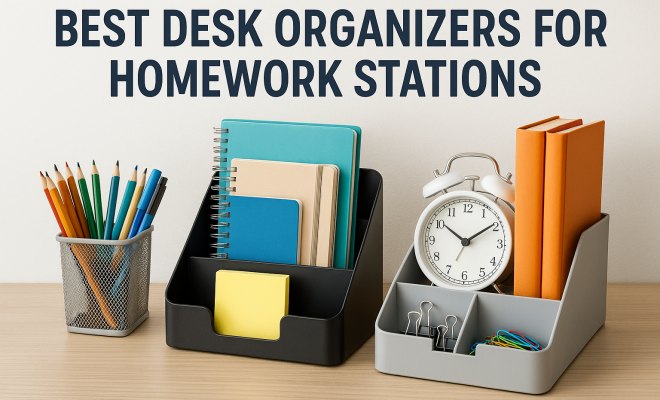
Multi-tiered desk organizers are a game-changer for students who have a variety of supplies but limited space. These organizers typically come with multiple shelves or compartments that allow for categorized storage. For instance, top shelves can hold notebooks and textbooks, while lower tiers can house stationery like pens, pencils, and highlighters.
When selecting a multi-tiered organizer, look for options made of durable materials that can withstand constant use. Some models even feature adjustable sections, allowing customization according to individual needs. This versatility makes them perfect for homework stations where students often juggle multiple subjects and assignments.
Think about how a multi-tiered organizer can save time. When everything has a designated place, students spend less time searching for supplies and more time focusing on their studies. For example, a student with a multi-tiered organizer can easily access their math textbook and the necessary graph paper without rummaging through a messy drawer. This streamlined approach contributes to a more productive study session.
2. Pencil Cases With Organizational Features
A well-designed pencil case is not just a container for writing instruments; it can serve as an effective organizer. Modern pencil cases come with various compartments, ensuring that students can easily find their favorite pens and highlighters without rummaging through a cluttered bag. Some even have specialized sections for erasers and sticky notes.
While shopping for pencil cases, consider options that zip closed for easy transport and protection from spills. Many brands also offer styles that can be securely attached to desks, keeping everything within arm’s reach during study sessions. With the right pencil case, students can curate their writing tools for maximum efficiency.
To illustrate, a pencil case with multiple layers might include a section for colored pencils, another for gel pens, and even a pocket for a small ruler. This organization not only saves time but also encourages creativity, as students can experiment with different tools without the frustration of searching through a cluttered bag.
3. Drawer Organizers
Drawers can quickly become a black hole of school supplies, making it hard to locate necessary items when the pressure is on. Drawer organizers can help prevent this chaos by providing designated spaces for various supplies. These organizers come in different shapes and sizes, allowing them to fit snugly in any drawer.
Plastic or bamboo drawer organizers are particularly popular because they’re lightweight and easy to clean. With these dividers, students can categorize items like sticky notes, paper clips, and spare chargers, making their workspace feel less cluttered. The result? A more efficient homework station that encourages focused study time. (See: U.S. Department of Education.)
Research suggests that a well-organized workspace can lead to better concentration and productivity. By using drawer organizers, students can reduce stress and distractions, as they know exactly where to find what they need. For example, a student might designate one section for frequently used items like scissors and tape, while another holds less-used supplies, ensuring everything is accessible without overwhelming their workspace.
4. Wall-Mounted Organizers
For students with limited desk space, wall-mounted organizers can be a lifesaver. These organizers can be attached to walls or the sides of desks and often come with pockets for notepads, calendars, and even digital devices like tablets. This keeps essential items visible and accessible while freeing up valuable desk space.
Wall-mounted organizers can also enhance the aesthetic of a study area. Many designs are sleek and modern, with colors and materials that can complement any room decor. Incorporating a wall-mounted organizer can help create an inspiring environment, promoting better study habits. Related reading: top desk organizers.
Consider adding a wall-mounted organizer with a calendar feature. This can serve as a visual reminder of upcoming deadlines and tests, helping students manage their time effectively. With everything from supplies to schedules at eye level, students can maintain focus and stay organized, all while utilizing the often-underused vertical space in their study areas.
5. File Holders or Document Organizers
Students often have a plethora of handouts, assignments, and important papers that need to be sorted. File holders or document organizers can provide a dedicated space for these materials, keeping them from becoming lost or damaged. Look for organizers with labeled slots to categorize documents based on subjects or deadlines.
These organizers can be placed on desks or even in backpacks for easy transport. Some models are designed to be portable, allowing students to bring their homework materials wherever they go. By utilizing file holders, students can maintain an orderly system for tracking their assignments and deadlines, which is essential for academic success.
In fact, a study found that students who use document organizers report feeling less overwhelmed by their assignments. By having a clear system in place, they’re more likely to complete tasks on time. For instance, a student can have a folder for each subject, ensuring that they can quickly grab the right materials when getting ready for class or studying for exams.
6. Whiteboards or Chalkboards
While not a traditional organizer, whiteboards or chalkboards can play a pivotal role in keeping track of homework tasks and deadlines. Having a dedicated space to jot down assignments and important dates can help students visualize their workload and prioritize tasks effectively. Plus, they can be an engaging, interactive way to review material or brainstorm ideas.
Look for boards that come with markers or chalk, along with an eraser for quick updates. Many modern designs feature magnetic surfaces, allowing students to attach reminders and notes. This visual representation of homework tasks can serve as a daily motivator and a reminder to stay focused.
Incorporating a whiteboard into a homework station can also foster accountability. Students can write down their goals for each study session and check them off as they complete tasks. This simple act of writing and erasing can provide a sense of accomplishment, encouraging them to stay on track with their homework.
7. Technology Charging Stations
In today’s digital age, students rely heavily on electronics for their homework assignments. A technology charging station can keep devices organized and powered up, ensuring that students are always prepared for their study sessions. These stations can house multiple devices, including laptops, tablets, and smartphones. (See: The New York Times education section.)
When choosing a charging station, look for models that have multiple USB ports and built-in cable management features. This helps eliminate the clutter of tangled cords, creating a more streamlined workspace. Many charging stations are also designed with aesthetics in mind, making them a stylish addition to any homework station.
Having a designated area for charging devices can also promote healthy study habits. Students are less likely to be distracted by their phones if they have to walk over to the charging station to check notifications. It creates a boundary between their study time and personal time, allowing them to focus better on their assignments.
How to Choose the Right Desk Organizers for Homework
With so many options available, it can be overwhelming to select the right desk organizers for homework. Here are some key factors to consider:
- Space: Assess the size of your homework area. Make sure to measure your desk and any available wall space to ensure your organizers fit comfortably.
- Functionality: Think about what items you need to organize. Will you benefit more from a wall-mounted organizer, or do you need a multi-tiered shelf for notebooks and textbooks?
- Style: Consider the aesthetic of your study area. Choose organizers that match your decor to create a cohesive look.
- Durability: Look for materials that can withstand daily use. Sturdy plastic or metal options often offer the best durability.
- Budget: Determine how much you’re willing to spend and look for options that fit within that range without sacrificing quality.
Tips for Maintaining an Organized Homework Station
Once you’ve selected your desk organizers, it’s vital to keep them organized over time. Here are some practical tips:
- Regular Clean-Up: Set aside time each week to tidy your workspace. Remove any items that don’t belong, and reorganize supplies as needed.
- Limit Supplies: Only keep essentials at your desk. If there are items you rarely use, store them away to minimize clutter.
- Labeling: Use labels on drawers and folders to make it easy to find and return items to their designated spots.
- Adaptability: As your school year progresses, your needs may change. Be open to adjusting your organizing system to fit your current workload and subjects.
- Involve Others: If you share your study space with siblings or friends, ensure everyone is on the same page regarding organization. Discuss responsibilities to keep the area tidy.
Common Mistakes to Avoid When Organizing Your Desk
Even with the best intentions, there are some common pitfalls students can fall into when organizing their homework stations. Here are a few to watch out for:
- Overloading Organizers: Resist the temptation to fill every compartment of your organizer. This can lead to a cluttered appearance and make it hard to find what you need.
- Ignoring Vertical Space: Many students focus solely on desk space and neglect vertical storage options. Use wall-mounted organizers or shelves to maximize your area.
- Inconsistent Systems: Establish a consistent method for organizing supplies. For example, always keep writing instruments in one compartment and paper supplies in another.
- Neglecting Maintenance: Once you set up your organizers, don’t forget to maintain them. Regularly assess their efficiency and make adjustments as needed.
FAQ About Desk Organizers for Homework
What are the best materials for desk organizers?
Popular materials include plastic, wood, and metal. Plastic is lightweight and affordable, while wood adds a classic touch. Metal is often durable and can lend a modern aesthetic.
How can I create a desk organizer on a budget?
Consider repurposing items you already have, like shoeboxes or jars, to create organizers. You can also find inexpensive options at discount stores or online retailers.
Are there specific organizers for different subjects?
Yes! For instance, science students might benefit from organizers that accommodate lab supplies, while art students may need larger compartments for sketchbooks and art materials.
How do I keep my desk organized if I have limited space?
Utilize vertical storage solutions, like wall-mounted organizers, and invest in multi-functional items that can serve multiple purposes, such as a book holder that doubles as a charging station.
Can desk organizers improve my study habits?
Absolutely! A well-organized space can reduce distractions, enhance focus, and create a more positive study environment, which can lead to better academic performance.
Additional Tips for Maximizing Your Workspace
Creating an optimal homework station goes beyond just having the right desk organizers. Here are a few more strategies to maximize your workspace:
- Ergonomics: Ensure that your chair and desk are at appropriate heights to promote good posture. This can prevent discomfort during long study sessions.
- Lighting: Good lighting is essential for keeping you alert and focused. Invest in a quality desk lamp that provides adequate illumination without straining your eyes.
- Minimize Distractions: Keep your study area free from distractions, including noisy environments. Use noise-canceling headphones if needed, or play soft background music to help maintain your focus.
- Incorporate Plants: Adding a small plant can improve air quality and create a calming atmosphere, making your study space more inviting and less sterile.
- Customizable Layout: Experiment with the arrangement of your desk organizers and supplies. A layout that feels intuitive can enhance your workflow and make it easier to stay organized.
Benefits of Being Organized
Staying organized can have profound effects on a student’s academic performance and overall well-being. Here’s why investing in good desk organizers for homework pays off:
- Increased Focus: An organized workspace minimizes distractions, allowing students to concentrate better on their tasks.
- Time Management: When supplies are organized, students can quickly find what they need, reducing time wasted searching for materials and allowing for better time management.
- Boosted Confidence: A tidy workspace can lead to a sense of accomplishment and control, which boosts confidence in one’s ability to tackle homework and projects.
- Reduced Stress: Clutter can create feelings of chaos and overwhelm. An organized space promotes calmness and can reduce anxiety, especially during busy study periods.
- Enhanced Creativity: A clean, organized space can foster creativity and help students think more clearly, leading to better idea generation and problem-solving.
Real-Life Examples of Effective Homework Stations
To illustrate the impact of desk organizers, let’s look at a few real-life examples of effective homework stations:
- High School Student: A 10th grader transformed her cluttered desk into an organized haven. She utilized a multi-tiered organizer for textbooks and notebooks, a wall-mounted calendar for tracking assignments, and a drawer organizer for stationery. The result? Improved grades and less time wasted searching for materials.
- College Student: A college freshman created a mobile homework station using a rolling cart equipped with file holders, a charging station, and a whiteboard for tracking assignments. This setup allowed for flexibility in a shared living space and made it easy to study anywhere.
- Elementary Student: A 3rd grader used colored bins on a small shelf to categorize supplies by subject. Each bin contained essential items like crayons, notebooks, and workbooks. This visual organization helped him to take ownership of his workspace and improved his ability to complete homework independently.
Final Thoughts
Incorporating the right desk organizers for homework into a student’s workspace can lead to significant improvements in productivity and focus. From multi-tiered shelves to wall-mounted systems, each organizer has its unique benefits that cater to individual needs. By investing in these essential tools, students can cultivate a more effective and enjoyable learning environment.
Ultimately, whether you’re a student, a parent, or someone looking to create an inspiring homework space, the organizers you choose can make all the difference. With the right setup, studying doesn’t have to feel like a chore, but rather an opportunity for growth and learning.
“`
Trending Now
Frequently Asked Questions
What are the best desk organizers for students?
The best desk organizers for students include multi-tiered desk organizers, which categorize supplies efficiently, and pencil cases with organizational features that help keep writing instruments tidy. These tools enhance productivity by ensuring that everything is easily accessible.
How can desk organizers improve study habits?
Desk organizers improve study habits by reducing clutter, allowing students to find their materials quickly. When supplies have designated places, students can focus better on their work, leading to more efficient and enjoyable study sessions.
What features should I look for in a desk organizer?
When choosing a desk organizer, look for durability, multiple compartments for categorized storage, and adjustable sections for customization. These features help accommodate various supplies and personal preferences, making study spaces more functional.
Are multi-tiered desk organizers worth it?
Yes, multi-tiered desk organizers are worth it as they maximize vertical space and keep study materials organized. They help students save time by providing easy access to textbooks and supplies, enhancing overall productivity.
What should I keep in a pencil case for school?
A well-organized pencil case should include essential items like pens, pencils, highlighters, erasers, and sticky notes. Look for pencil cases with compartments to help keep these items sorted and easily accessible during study sessions.
Agree or disagree? Drop a comment and tell us what you think.