Fake Travel Sites Surge in 2026: Protect Your Bookings
“`html
In an age where booking flights has never been easier, travelers are finding themselves caught in a web of deceit spun by cybercriminals. The rise of fake travel sites has become a serious concern, as scammers create convincing replicas of popular booking platforms like Skyscanner and Expedia. With the online travel sector booming, the lure of cheap flights has opened the door to fraud, leaving many unsuspecting customers out of pocket and frustrated. Let’s explore the alarming trends around this issue and how you can protect yourself.
The Surge in Fake Travel Sites
In May 2026, there was a staggering increase of 47,318 new travel-related web domains registered—a 33% jump from April and a 19% rise from May 2025. This surge signals a growing trend among cybercriminals to lure unsuspecting travelers into their traps. With more people than ever seeking travel deals online, these scammers are capitalizing on the fear of missing out on lower prices, making it critical for travelers to stay vigilant.
According to cybersecurity experts, the rapid growth of these websites can be attributed to the massive demand for affordable travel options. As budgets tighten and travelers become more price-sensitive, the allure of significantly discounted flights becomes irresistible. This emotional pull is precisely what scammers exploit, creating an environment ripe for deception.
The Scammers’ Playbook
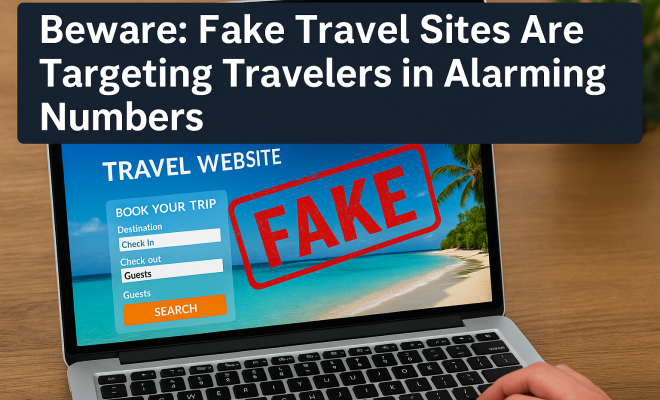
Understanding how scammers operate is crucial in avoiding their traps. Cybercriminals often design fake travel sites to closely resemble trusted brands, making it hard for the average traveler to distinguish between the real and the fraudulent. They may use familiar logos and layouts, creating a false sense of security.
One common tactic involves offering flights at prices that seem too good to be true, luring travelers into a false sense of urgency. For example, you might receive a text or email claiming that a flight you’ve been eyeing is now available for half the price, but only for a limited time. This creates a pressure situation, pushing individuals to act quickly without adequately investigating the offer.
The Emotional Toll on Victims
The emotional impact of falling prey to these scams can be profound. Imagine paying for a flight over the phone only to find out later that the transaction was fraudulent. Victims often receive no written confirmation, leaving them with no recourse. The fear of missing out on a once-in-a-lifetime trip turns into a nightmare as they scramble to recover lost money or track down nonexistent flights.
Psychologically, the sense of betrayal can lead to significant distress. Many victims may feel embarrassed or ashamed, which can prevent them from reporting the crime or sharing their experiences, perpetuating the cycle of victimization.
Verifying Flight Offers
Travelers can take several proactive steps to verify flight offers and protect themselves from fake travel sites. First and foremost, always check the URL of the website before entering any personal information. Legitimate travel sites will use secure connections (look for “https://” at the beginning of the URL) and display clear contact information.
It’s also wise to directly compare prices on the official websites of airlines rather than relying solely on aggregators like Skyscanner or Expedia. While these sites can be incredibly helpful in finding deals, they can also lead users to third-party sites that might be unreliable.
Common Red Flags
Being aware of the warning signs can save you from falling victim to these scams. Here are some common red flags to watch out for:
- Unbelievably Low Prices: If a deal seems too good to be true, it probably is.
- Poor Website Design: Many fake sites lack the professionalism of established companies, featuring broken links or low-quality images.
- Pressure Tactics: Beware of time-sensitive offers that push you to make hasty decisions.
- Unsolicited Communications: Emails or texts claiming flight cancellations or exclusive deals should be treated with skepticism.
By staying informed and cautious, you can significantly reduce your chances of falling victim to these scams.
Reporting Scams
If you suspect you’ve encountered a fake travel site or have fallen victim to a scam, it’s crucial to report it. Not only does this help authorities track down these criminals, but it can also assist other potential victims from experiencing a similar fate. (See: Internet safety guidelines from WHO.)
You can report fake sites to consumer protection agencies, such as the Federal Trade Commission (FTC) in the United States, or the equivalent in your country. Additionally, many airlines have fraud reporting mechanisms in place to address such issues. Sharing your experience on social media can also raise awareness and help others avoid falling into similar traps.
Protecting Your Personal Information
One of the primary goals of scammers is to steal your personal information. To protect yourself, here are some essential tips:
- Use Strong Passwords: Create unique passwords for different travel sites and change them regularly.
- Enable Two-Factor Authentication: This adds an extra layer of security to your accounts.
- Avoid Public Wi-Fi: When booking flights, avoid using public networks that could expose your data to hackers.
- Monitor Your Accounts: Keep an eye on your bank and credit card statements for any suspicious activity.
Staying proactive about your online security can significantly reduce the risk of falling victim to scams.
The Role of Technology in Scamming
The rapid advancement of technology has only fueled the rise of fake travel sites. Sophisticated tools and software enable scammers to create highly convincing websites in a matter of hours. They can easily alter domain names to mimic legitimate businesses, making it increasingly challenging for consumers to identify fraud.
Machine learning and artificial intelligence can be utilized by scammers to automate their operations, targeting a broader audience with minimal effort. As these technologies continue to evolve, so do the tactics employed by cybercriminals, often staying one step ahead of law enforcement and cybersecurity experts.
Experts Weigh In on the Issue
Industry experts have voiced their concerns about the risks associated with fake travel sites. Cybersecurity professionals emphasize the importance of education and awareness in combating this growing threat.
Travel industry insiders stress collaboration between airlines, travel agencies, and cybersecurity companies to identify and shut down fake sites quickly. The urgency of this issue can’t be understated, as the financial repercussions for both consumers and legitimate businesses are staggering.
Moving Forward: A Call for Awareness
As cybercriminals become increasingly sophisticated, it’s more important than ever for travelers to remain vigilant. Awareness is your best defense against fake travel sites. By educating yourself on the common tactics used by scammers and staying informed about the latest threats, you can protect not just your finances, but also your peace of mind.
Remember, the best travel deals are often found through reputable channels. Don’t let the fear of missing out lead you down a path of fraud and loss. Stay safe, stay informed, and happy travels! latest travel scams offers useful background here.
Impact of Fake Travel Sites on the Travel Industry
Fake travel sites don’t just harm individual travelers; they also significantly impact the entire travel industry. As trust in online booking platforms diminishes due to repeated scams, legitimate businesses may face losses. For instance, according to a report by the Better Business Bureau, travel fraud complaints rose by over 30% in the last year, indicating that these scams are becoming increasingly prevalent.
Travel companies lose potential customers when fraud leads to diminished trust. This can result in higher advertising costs and a need for more robust cybersecurity measures, further straining resources.
The Financial Cost of Scams
The financial ramifications for victims are profound. According to a study by the Cybercrime Support Network, victims of travel scams lost an average of $1,500 when deceived by fake travel sites. When you consider the total number of reported scams, this adds up to billions of dollars lost yearly. This statistic underscores the importance of being cautious when booking travel online and highlights the urgent need for awareness.
Case Studies: Real Victims
To understand the true impact of fake travel sites, here are two case studies that illustrate the experiences of real victims:
Case Study 1: The Unfortunate Traveler
Sarah, a 34-year-old from California, was eager to plan a surprise trip for her husband’s birthday. While searching for affordable flights, she stumbled upon a website offering flights to Hawaii for half the price compared to major airlines. Trusting the site, she booked the tickets and provided her credit card information. A week later, when checking her email for confirmation, she found nothing. After calling the customer service number listed on the site, she realized it was disconnected. Sarah had lost over $1,200, a significant amount for her family. (See: Cybersecurity resources from CDC.)
Case Study 2: The Last-Minute Trip
John, a business traveler, needed to book a flight for an unexpected meeting. In his rush, he clicked on a link in an email touting a limited-time offer. He quickly entered his payment information and received a confirmation email that seemed legitimate. Days later, when he arrived at the airport, he learned that his flight did not exist. The fake site had taken his money, and it was too late to book elsewhere. John’s experience cost him not only the initial fare but also additional travel expenses, totaling around $2,500.
The Importance of Online Reviews
Another effective way to gauge the legitimacy of a travel site is to check online reviews. Websites like Trustpilot and SiteJabber allow users to leave reviews based on their experiences. When searching for a travel site, take time to read through the feedback. Positive reviews can indicate a trustworthy service, while a pattern of complaints can signal that a site may be a scam. Always look for red flags in the reviews, such as vague responses from the company or complaints about customer service.
Technology to the Rescue: How To Safeguard Your Online Travel Experience
Luckily, technology is also on the side of travelers. Many cybersecurity firms are working hard to develop tools that can help users identify fraudulent sites. Browser extensions like McAfee WebAdvisor or Norton Safe Web can alert you when you’re about to visit a potentially harmful website. These tools often provide ratings based on user experiences and can help you make informed decisions before booking travel.
FAQs about Fake Travel Sites
Here are some frequently asked questions about fake travel sites to help you further understand this issue:
What are fake travel sites?
Fake travel sites are fraudulent websites that mimic legitimate travel booking platforms to trick users into providing personal information or making purchases for non-existent travel services.
How can I identify a fake travel site?
Look for poor website design, unrealistically low prices, a lack of contact information, and unsolicited communications. Always check for secure URLs and read online reviews.
What should I do if I suspect I’ve booked through a fake travel site?
Immediately contact your bank or credit card provider to dispute the charge. Report the site to consumer protection agencies and share your experience to warn others.
Can I get my money back from a fake travel site?
Recovering funds can be challenging but not impossible. If you used a credit card, reach out to your provider for assistance. Some may offer chargeback options for fraudulent transactions.
What steps can I take to prevent falling victim to these scams?
Research before booking, use reputable websites, and double-check prices on official airline sites. Also, consider using cybersecurity tools to protect your online activity.
Final Thoughts
While the internet has made travel more accessible than ever, it also requires travelers to be more vigilant. With fake travel sites continuing to proliferate, knowledge is power. Equip yourself with the tools and information necessary to navigate the online travel landscape safely. Remember, a little caution can save you from significant heartache and financial loss.
Trends in Fake Travel Sites
Understanding the trends in fake travel sites can help you remain one step ahead of potential scams. One significant trend is the increasing sophistication of these sites. Scammers are investing in better technology to create more authentic-looking platforms. They often employ SEO (Search Engine Optimization) tactics to rank their sites higher in search results, making it harder for travelers to spot them. In fact, a recent survey revealed that nearly 70% of travelers have encountered what they suspected were fake travel websites during their online searches. (See: Article on fake travel sites from NY Times.)
Preventative Measures by Authorities
Governments and regulatory bodies around the world are starting to take action against the rise of fake travel sites. In many countries, laws are evolving to better protect consumers from online fraud. For example, the European Union has introduced stricter regulations that require travel companies to verify their websites and ensure transparency in pricing. These regulations aim to make it harder for fraudulent sites to operate while also pushing for more accountability among legitimate travel services.
Additionally, various online platforms are launching campaigns to educate the public about the risks associated with fake travel sites. These initiatives often include informative articles, videos, and even partnerships with travel bloggers to spread the message. Travelers are encouraged to stay informed and report suspicious sites to help combat this issue.
The Psychological Tactics Used by Scammers
Scammers often use psychological tactics to manipulate potential victims. One of the most common methods is the concept of “social proof,” where scammers display fake testimonials or user reviews on their sites to create an illusion of trustworthiness. They may also use urgency as a tactic, claiming that a deal is only available for a limited time to pressure travelers into making quick decisions.
Understanding these tactics can empower travelers. By recognizing that fear and urgency are often used as tools for manipulation, you can take a step back and assess the situation more critically. Researching reviews and seeking advice from trusted sources can help you avoid falling for these traps. For more on this, see cybersecurity measures needed.
Additional Resources for Travelers
To navigate this complex landscape, it’s useful to know where to turn for help. Here are a few resources that can aid travelers in identifying scams and protecting themselves:
- Consumer Reports: This nonprofit organization provides information on various products and services, including travel websites, and offers advice on how to identify scams.
- Scamwatch: An Australian government initiative that educates consumers about scams and provides tips on how to avoid them.
- Better Business Bureau: Offers consumer reviews and ratings for companies, including travel sites, which can help in identifying legitimate businesses.
- Travel Security Groups: Many communities have local or online groups dedicated to travel security where you can share experiences and warnings with fellow travelers.
How Airlines are Combatting Fake Travel Sites
Airlines are also taking steps to combat the rise of fake travel sites. Many have implemented advanced fraud detection systems that monitor bookings for suspicious activity. These systems analyze user behavior, payment methods, and other variables to identify potentially fraudulent transactions before they are processed.
Furthermore, airlines are ramping up their marketing efforts to educate consumers about the risks associated with third-party booking sites. Campaigns highlighting the importance of booking directly through airline websites are becoming more common, reinforcing the idea that the safest option is often the most straightforward one.
Conclusion: Stay Proactive and Informed
As the landscape of online travel continues to evolve, so too should your approach to booking flights. Remaining proactive, informed, and cautious can significantly reduce your risks. By understanding the tactics used by scammers and leveraging available resources, you can navigate the world of travel bookings with greater confidence.
In an era where digital convenience is paramount, don’t compromise your safety for a quick deal. Be diligent, seek out reliable information, and always trust your instincts. Your next adventure awaits, but it should be taken with care and consideration. Stay safe out there!
“`
Trending Now
Frequently Asked Questions
How can I identify fake travel websites?
To identify fake travel websites, look for discrepancies in URLs, check for secure connections (HTTPS), and watch for poor website design or numerous spelling errors. Additionally, compare prices with legitimate sites and be cautious of offers that seem too good to be true, as scammers often mimic trusted brands.
What should I do if I accidentally booked through a fake travel site?
If you suspect you've booked through a fake travel site, immediately contact your bank or credit card company to dispute the charge. Report the site to authorities such as the Federal Trade Commission (FTC) and consider filing a complaint with your local consumer protection agency.
Are fake travel sites really that common?
Yes, fake travel sites are becoming increasingly common, with a significant surge in new travel-related domains. In May 2026 alone, over 47,000 new sites were registered, indicating a growing trend where scammers exploit the demand for affordable travel options.
What tactics do scammers use on fake travel sites?
Scammers often create fake travel sites that closely resemble trusted brands, using familiar logos and layouts to deceive users. They frequently offer flights at unrealistically low prices and create a false sense of urgency, prompting travelers to act quickly without verifying the site's legitimacy.
How can I protect myself from travel scams?
To protect yourself from travel scams, always book through reputable websites, verify the URL, and read reviews before making any purchases. Be cautious of unsolicited emails or texts offering deals, and trust your instincts—if a deal seems too good to be true, it likely is.
Have you experienced this yourself? We'd love to hear your story in the comments.