Venezuela Earthquake: Rescue Teams Face Challenges Amidst Crisis
“`html
The recent earthquake that struck Venezuela has sent shockwaves through the nation, both literally and figuratively. As rescue teams scramble to save survivors trapped under rubble, the world is watching with bated breath. The emotional toll is palpable, with families sharing their heart-wrenching stories on social media, fueling a global conversation about humanitarian aid, government accountability, and the complex geopolitical landscape surrounding the crisis. The Venezuelan earthquake response, particularly the actions—or inactions—of the government’s disaster management, has sparked heated debates that extend well beyond the country’s borders.
The Earthquake’s Impact: A Nation in Crisis
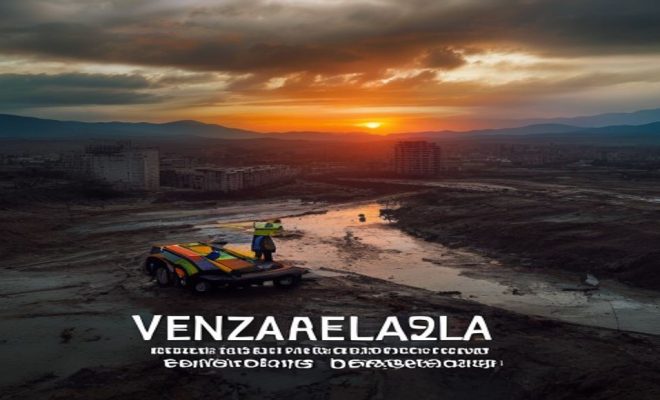
On a fateful day, the earth shook beneath Venezuela, unleashing chaos and destruction across communities. Initial reports suggest that thousands of buildings have been damaged or destroyed, leaving countless families displaced. The tremors were not only physically felt but also reverberated through the social fabric of the country, exacerbating an already dire humanitarian situation.
In the aftermath, rescue teams face formidable challenges. The terrain, coupled with the lack of resources, has hampered search efforts. Many rescuers are working long hours under harrowing conditions, motivated by the hope of finding even a single survivor. It’s a race against time, as reports of people trapped beneath debris flood in, heightening the sense of urgency.
The U.S. Position: Rebuffing Criticism
While the situation in Venezuela unfolds, the U.S. government has taken a firm stance, rebuffing international criticism aimed at the Venezuelan administration’s earthquake response. Secretary of State Carney has been vocal in defending the government’s actions, arguing that internal sovereignty must be respected. This has ignited a firestorm of debate on whether external nations should intervene when a government appears unable or unwilling to effectively manage a disaster.
The U.S. position raises questions about the balance between national sovereignty and the moral obligation to provide aid. Critics argue that the Venezuelan government, led by President Maduro, has demonstrated a lack of transparency and preparedness, which has hindered effective disaster response. By refusing to criticize the government’s handling of the situation, the U.S. risks appearing complicit in a humanitarian crisis.
Humanitarian Aid: A Complicated Landscape
The conversation around the Venezuela earthquake response is intricately tied to the broader issue of humanitarian aid. Should countries intervene with aid when a government is failing its citizens? The situation in Venezuela illustrates the complexities of this question. Many humanitarian organizations are caught in the crossfire, unsure whether to offer assistance directly to the government or to operate independently in an effort to help the victims.
International aid can be a double-edged sword. While it can save lives, it can also lead to accusations of foreign meddling. The Venezuelan government has long been suspicious of external influence, often framing such actions as imperialistic. This creates an environment where aid organizations must tread carefully, balancing the need to provide support while respecting the local political landscape.
Social Media: A Platform for Voices
As the crisis unfolds, social media has become a lifeline for many affected families. Posts filled with desperation and hope are circulating widely, drawing attention to the plight of those impacted by the earthquake. Videos of rescue efforts are going viral, showcasing both the heroism of the rescuers and the heartbreak of families awaiting news of their loved ones.
Platforms like Twitter and Instagram are flooded with emotionally charged content that drives massive engagement. The stories of individuals who are still trapped, as well as those who have miraculously been rescued, have created a sense of urgency that transcends borders. As audiences engage with these narratives, they become part of a larger discourse surrounding the Venezuela earthquake response.
The Role of the Venezuelan Government
Critics of the Venezuelan government have pointed to its history of mismanagement and lack of preparedness as contributing factors to the disaster’s impact. President Maduro’s administration has faced accusations of negligence in disaster response, particularly given the scale of the earthquake’s devastation. As the government struggles to provide adequate support, citizens are left questioning their leaders’ ability to manage such a crisis. (See: CDC Earthquake Preparedness and Response.)
Government officials argue that they are doing everything within their power to coordinate rescue efforts, but many citizens see a stark contrast between promises made and actions taken. Instances of delayed responses and insufficient resources paint a grim picture for those desperately awaiting assistance.
International Reaction: A Divided Response
As the international community watches the unfolding tragedy, reactions have been mixed. Some countries have offered condolences and pledged support, while others have been more critical of the Venezuelan government. This division highlights a growing geopolitical rift, with nations taking sides based on their alliances and interests.
In addition to governmental responses, notable humanitarian organizations are also assessing their roles. Groups like the Red Cross and Médecins Sans Frontières are weighing the implications of their involvement in a politically charged environment. They must consider both the immediate need for aid and the long-term consequences of their actions in the region.
The Emotional Toll: Stories of Survival and Loss
The human stories emerging from the rubble are both heartbreaking and inspiring. Families recount their distressing experiences, some waiting days for news of their loved ones. These narratives underscore the emotional toll that such disasters take, not just on individuals but on entire communities.
Survivors of the quake share tales of remarkable resilience. Their determination to rebuild and assist others reflects an innate human spirit that shines through even the darkest times. These stories, while often tragic, also serve to remind us of the strength and solidarity that emerges in the face of adversity.
Looking Ahead: The Path to Recovery
As rescue efforts continue, the focus will inevitably shift toward recovery. Rebuilding infrastructure, providing mental health support, and addressing the long-term needs of displaced families will be crucial in the coming months. The Venezuela earthquake response must not only address immediate needs but also lay the groundwork for sustainable recovery.
Local and international organizations will need to collaborate to ensure that aid reaches those who need it most. This collaboration requires navigating the political landscape carefully, as mistrust of foreign involvement persists. Building relationships with community leaders and fostering local engagement can pave the way for more effective recovery efforts.
Lessons Learned: Preparing for Future Disasters
This earthquake has revealed significant shortcomings in Venezuela’s disaster preparedness and response mechanisms. In a region historically prone to seismic activity, the lack of a robust emergency management infrastructure is alarming. Experts suggest that investing in disaster preparedness and response training is essential for mitigating future crises. Training local volunteers in emergency response techniques, establishing clear communication channels, and creating comprehensive emergency plans can save lives when disaster strikes.
Building resilient infrastructure is another crucial aspect of preparedness. Retrofitting buildings and public facilities to withstand earthquakes can significantly reduce casualties and property damage. Collaborative efforts involving international experts and local engineers can lead to innovative solutions that respect the country’s unique challenges while enhancing safety standards.
Comparative Analysis: Earthquake Responses Worldwide
When examining the Venezuela earthquake response, it’s useful to compare it with how other countries have handled similar crises. For instance, Japan’s response to the 2011 Tōhoku earthquake is often lauded for its efficiency. Japan has invested heavily in disaster preparedness, conducting regular drills and maintaining an advance warning system that alerts citizens seconds before an earthquake strikes. The government’s swift mobilization of resources and clear communication with the public during the crisis helped save countless lives.
In contrast, Haiti’s response to the 2010 earthquake highlighted the devastating impact of inadequate infrastructure and governance. Despite significant international aid, the lack of coordination and transparency hampered recovery efforts. Lessons from Haiti emphasize the importance of building local capacity and ensuring that aid does not undermine local governance. (See: WHO Earthquake Fact Sheet.)
These examples illustrate that while international support is vital, effective domestic planning and community involvement are key to a successful response and recovery. Venezuela has the opportunity to learn from these global examples to improve its earthquake response and resilience moving forward.
Statistics and Data: The Scale of the Disaster
According to preliminary estimates, the recent earthquake in Venezuela has resulted in significant economic losses, with damages potentially reaching billions of dollars. Early reports indicate that over 200,000 people have been directly affected, with thousands left homeless. The government has acknowledged that more than 4,000 buildings have been severely damaged, including schools and hospitals, which complicates the already critical humanitarian situation.
In terms of casualties, estimates suggest that the death toll may rise as rescue efforts continue and more data becomes available. Reports indicate at least 500 confirmed fatalities, but this number is likely to change as recovery operations progress. The urgency of the situation necessitates a quick and effective response from both the government and the international community.
Frequently Asked Questions (FAQ)
What caused the recent earthquake in Venezuela?
The earthquake was caused by tectonic movements along the boundary of the South American Plate. This region is seismically active, and the frequency of earthquakes has been a concern for local authorities.
How is the Venezuelan government responding to the crisis?
The Venezuelan government has mobilized rescue teams and is coordinating with local hospitals to provide immediate medical assistance. However, many citizens feel the response has been slow and inadequate given the scale of the disaster.
How can international aid organizations help in this situation?
International aid organizations can provide critical resources, including medical supplies, food, and shelter for the displaced population. They can also offer expertise in disaster response logistics and help build local capacity for future emergencies.
What can individuals do to help?
Individuals can contribute by donating to reputable humanitarian organizations working on the ground in Venezuela. Spreading awareness through social media can also help draw attention to the ongoing crisis and the needs of affected families.
What are the long-term implications for Venezuela following this earthquake?
The long-term implications may include significant economic challenges as the country will need to invest in rebuilding infrastructure. The earthquake may also exacerbate existing political tensions and complicate recovery efforts, especially if there is insufficient coordination between the government and aid organizations.
Future Preparedness: Lessons from Other Earthquake Disasters
Learning from past disasters is crucial for developing more effective earthquake preparedness strategies. For instance, the 2004 Indian Ocean tsunami spurred many nations to enhance their early warning systems. Countries like Indonesia and Thailand have since implemented better education programs about tsunamis and earthquakes, focusing on community training and drills.
Venezuela can benefit from such international examples by creating similar systems tailored to its own unique geographical and political landscape. Collaborations with countries that have experienced significant seismic activity, like Chile or Japan, can facilitate knowledge sharing and technological advancements that improve local disaster response capabilities. (See: New York Times on Venezuela Earthquake.)
The Role of Local Communities in Disaster Response
Local communities play a critical role in emergency response efforts. Grassroots organizations often have the most immediate understanding of the needs and capabilities within their communities. After the earthquake, community members can mobilize quickly to assist with search and rescue operations, distribute food and supplies, and provide shelter for those displaced.
Training community volunteers in first aid and emergency response can create a more resilient society. Programs that empower local leaders can foster a culture of preparedness, ensuring that communities are equipped to respond effectively during crises. This local involvement not only enhances the overall response but also strengthens community bonds, an essential element for recovery.
Economic Considerations: Funding and Resources for Recovery
The financial aspect of recovery from the earthquake cannot be overstated. The Venezuelan government will need to secure funding for rebuilding efforts. However, with a struggling economy already burdened by hyperinflation and limited resources, this poses a significant challenge. Engaging with international financial institutions, such as the World Bank or the International Monetary Fund, may provide avenues for financial assistance, although these often come with strict conditions.
Additionally, rebuilding efforts could also benefit from public-private partnerships, where the government collaborates with businesses to fund and expedite recovery projects. Innovative financing mechanisms, such as disaster bonds or insurance schemes, can also be explored to provide immediate liquidity for disaster recovery, allowing for quicker responses in future crises.
Technological Innovations in Disaster Management
Technology is playing an increasingly important role in disaster management. The use of drones for aerial surveys can help assess the damage quickly and accurately, allowing for more efficient allocation of resources. Mobile apps can provide real-time updates and information to affected communities, keeping them informed about relief efforts and safety measures.
Furthermore, utilizing social media for crisis mapping can help identify areas in need of assistance. By analyzing social media posts, organizations can visualize the disaster’s impact, pinpointing where help is most urgently required. Integrating technology into disaster response strategies can significantly enhance the effectiveness of the Venezuela earthquake response and future preparedness measures.
Conclusion: A Call for Solidarity
The situation in Venezuela is a stark reminder of the fragility of life and the importance of solidarity in times of crisis. As the world grapples with the implications of the Venezuela earthquake response, it’s vital to keep the focus on the human element. In a time marked by division and political strife, the stories of hope, resilience, and community can unite us all. Let’s ensure that the voices of those affected by the earthquake are heard, and that their needs do not fall on deaf ears.
“`
Trending Now
Frequently Asked Questions
What challenges are rescue teams facing in Venezuela after the earthquake?
Rescue teams in Venezuela are grappling with significant challenges, including difficult terrain, lack of resources, and the urgency to save survivors trapped under rubble. Many rescuers are working long hours under harsh conditions, driven by the hope of finding even one survivor as reports of people in distress continue to emerge.
How has the Venezuelan government responded to the earthquake disaster?
The Venezuelan government's response to the earthquake has sparked debates about its effectiveness. Critics argue that the administration's disaster management has been inadequate, while government officials, including Secretary of State Carney, defend their actions, emphasizing the importance of respecting internal sovereignty amidst international criticism.
What is the international community's reaction to the Venezuela earthquake?
The international community is closely monitoring the situation in Venezuela following the earthquake. There is a mix of concern and criticism regarding the Venezuelan government's response, with discussions about the potential need for external intervention, especially given the government's apparent struggle to manage the disaster effectively.
What impact did the earthquake have on Venezuelan communities?
The earthquake caused widespread destruction across Venezuelan communities, damaging or destroying thousands of buildings and displacing countless families. The disaster has exacerbated an already dire humanitarian situation, affecting the social fabric of the nation and increasing the urgency for rescue and recovery efforts.
What role does social media play in the Venezuela earthquake response?
Social media has become a vital platform for families in Venezuela to share their heart-wrenching stories and experiences following the earthquake. This has sparked a global conversation about humanitarian aid and government accountability, raising awareness and mobilizing support for those affected by the disaster.
What's your take on this? Share your thoughts in the comments below — we read every one. We covered dynamic earthquake footage in more detail.