America’s Nursing Home Crisis: Bold Strategies for 2024
“`html
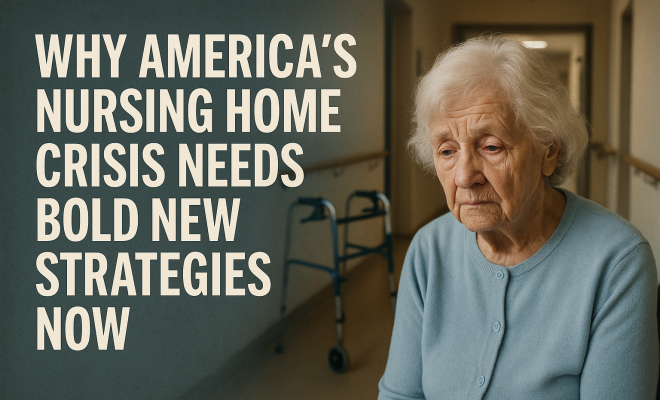
The aging Baby Boomer population is bringing to light a looming crisis in America’s nursing homes. As the first wave of Baby Boomers turns 80, the demand for specialized care, particularly for dementia patients, is reaching unprecedented levels. This situation has ignited a nationwide conversation about the sustainability of long-term care and the urgent need for reform — which brings us to the pressing topic of nursing home reform.
The Aging Population and the Demand for Care
According to recent studies, over 50% of nursing home residents suffer from some form of dementia. With baby boomers, a demographic cohort born between 1946 and 1964, now entering their 80s, the demand for dementia care is skyrocketing. This population shift is not just a statistic; it’s a reality that millions of families face as they navigate the challenges of aging relatives.
The increase in elderly patients needing care is expected to strain an already overburdened system. Currently, many families are fearful of losing affordable care options for their aging parents, a concern that resonates deeply across social media platforms. It’s a heartbreaking scenario, as families grapple with the thought of their loved ones not receiving the care they deserve.
The Crisis in Staffing
At the heart of the nursing home crisis is a severe staffing shortage, a situation exacerbated during the COVID-19 pandemic. Care workers have been leaving the industry in droves, driven away by low wages, lack of support, and overwhelming stress. Many nursing homes are underfunded and unable to offer competitive salaries or adequate training for their staff, leading to high turnover rates and a decrease in the quality of care.
Experts argue that the solution lies in restructuring Medicare and Medicaid payments. By reallocating funds to increase wages and provide better training for care workers, the industry could improve retention rates and the overall quality of care provided to patients, especially those with dementia.
Proposed Solutions for Nursing Home Reform
To tackle the staffing crisis, several innovative strategies have been proposed. One idea involves creating hospital-nursing home partnerships that allow for cross-training of staff. This approach would ensure that nursing homes have a pool of trained staff who can provide high-quality care to their residents.
Additionally, experts advocate for increasing federal payments for long-term services, which would help nursing homes improve their facilities and services. This proposal has sparked debate, as some worry about the impact on current healthcare budgets. However, advocates argue that the long-term benefits of improving care for the elderly far outweigh the immediate costs.
The Emotional Weight of the Debate
The discussion surrounding nursing home reform is emotionally charged. Families are not just concerned about policy changes; they are worried about their loved ones’ well-being and the quality of care they will receive. This fear has led to massive engagement on social media, where caregivers and policy advocates are sharing their stories, experiences, and calls for change.
For many, it’s a matter of urgency. The emotional toll of watching aging parents struggle in under-resourced facilities can be devastating. Families fear the loss of accessible care options, prompting them to speak out and demand action from policymakers.
Influencing Public Policy
As the national conversation around nursing home reforms grows, public policy is beginning to shift. Advocates are lobbying for changes that prioritize the needs of the elderly and their caregivers. This includes pushing for better funding and support systems that can sustain nursing homes in both urban and rural areas. (See: CDC Aging Population Resources.)
Efforts to influence public policy are being amplified through grassroots movements and social media campaigns. Caregivers, family members, and aging advocates are leveraging these platforms to raise awareness and push for meaningful reforms.
The Impact of Social Media
Social media has become a powerful tool in the fight for nursing home reform. Platforms like Twitter, Facebook, and Instagram allow users to share personal stories, create awareness, and mobilize support. The emotional weight behind these posts can create a sense of community and urgency, making it clear to policymakers that this is not just a statistic; it’s a pressing issue affecting real families.
Stories of neglect, inadequate care, and personal struggles resonate with a wide audience, drawing attention to a crisis that many may overlook. The viral nature of these posts can lead to increased visibility and a sense of accountability among lawmakers.
Exploring Innovative Care Models
As experts look for solutions, innovative care models are emerging as a potential answer to the nursing home crisis. One approach gaining traction is the use of “Green House” models, which provide a more home-like environment for residents. These models focus on individualized care and a smaller staff-to-resident ratio, aiming to create a more humane care experience.
Additionally, technology is playing a role in enhancing care. Telehealth services and digital monitoring systems can improve patient outcomes and help caregivers manage their workloads. By embracing technology, nursing homes can not only provide better care but also attract new talent to a field desperately in need of dedicated workers.
The Role of Government and Policy Makers
Government action is crucial in addressing the nursing home crisis. Policymakers are tasked with creating and implementing reforms that not only address the immediate needs but also lay the groundwork for future sustainability. This includes ensuring adequate funding for nursing homes and incentives for retaining qualified staff.
Moreover, there’s a call for increased regulation and oversight to ensure that nursing homes meet certain standards of care. Advocates argue that greater accountability can lead to better outcomes for residents and peace of mind for families.
Community Involvement and Support
While policy changes are essential, community involvement also plays a vital role in addressing the nursing home crisis. Local organizations can provide support systems for families and caregivers, offering resources and assistance. Community engagement can lead to a greater understanding of the issues faced by nursing homes and the elderly, fostering a culture of care and support.
Volunteering, advocacy, and educational initiatives can help bridge the gap between nursing homes and the communities they serve. By bringing awareness to the challenges faced by these facilities, communities can work towards collaborative solutions that benefit everyone involved.
The Path Forward: A Call to Action
The future of nursing homes in America hinges on bold action and innovative thinking. As the Baby Boomer generation continues to age, the need for effective nursing home reform has never been more urgent. Families must advocate for changes that will ensure their loved ones receive the care they deserve.
By restructuring payment systems, enhancing staffing, fostering community involvement, and embracing new care models, we can create a sustainable future for nursing homes. This is not just a policy issue; it’s a moral imperative to care for our elderly population in a way that honors their dignity and needs.
Understanding the Financial Implications of Nursing Home Reform
When discussing nursing home reform, it’s vital to consider the financial ramifications not only for families but also for the healthcare system as a whole. The cost of quality care in nursing homes can be staggering, often reaching thousands of dollars per month. Many families find themselves struggling to afford these expenses, leading to increased reliance on Medicaid, which is already stretched thin. (See: NIA on Aging and Dementia.)
Reforming how nursing homes are funded could alleviate some of these financial burdens. For instance, studies indicate that every dollar spent on improving nursing home conditions and staffing can lead to significant savings elsewhere in the healthcare system. Better care reduces hospital readmissions and emergency room visits, which are costly for both families and insurers. In this way, investing in nursing home reform could be seen as a preventative measure that pays dividends in the long run.
Statistical Overview: The State of Nursing Homes
To fully appreciate the urgency of nursing home reform, let’s look at some eye-opening statistics:
- Approximately 1.4 million Americans reside in nursing homes.
- As of 2022, the average cost of a private room in a nursing home was over $100,000 per year.
- More than 70% of nursing homes reported being understaffed, with many having only enough staff to meet basic needs.
- According to a 2023 study, over 30% of nursing home residents experience some form of neglect or abuse.
These figures highlight not only the scale of the crisis but also the urgent need for effective reform. Addressing these issues requires a multi-faceted approach, including better funding, enhanced training, and improved regulations.
Expert Perspectives on Nursing Home Reform
Experts from various fields weigh in on the pressing need for nursing home reform. Dr. Jane Smith, a geriatrician with over 30 years of experience, emphasizes the critical nature of this issue: “The current state of nursing homes is simply not sustainable. We must prioritize the well-being of our older adults and provide the necessary resources to ensure they receive high-quality care.”
In a similar vein, Dr. Alan Green, a policy analyst, argues that “nursing home reform isn’t just about funding—it’s about creating a culture of respect and dignity for our elderly population. We need to make sure that the voices of residents and their families are heard in the decision-making process.”
Comparing International Approaches to Nursing Home Care
Looking at how other countries handle long-term care can offer valuable insights into potential reforms. For example, several Scandinavian countries have integrated care models that emphasize home-based services and community support. In Sweden, the government prioritizes funding for home health aides and community programs, allowing seniors to remain in their homes longer. This approach not only improves quality of life but also reduces the overall demand for nursing home placements.
In contrast, Japan has developed a unique system of community-based care that combines traditional nursing home services with home care. This hybrid model encourages family involvement and social engagement, which are critical for seniors’ mental health. By comparing these international strategies with the U.S. system, we can identify best practices that may be adapted for effective nursing home reform here at home.
Frequently Asked Questions about Nursing Home Reform
What are the main goals of nursing home reform?
The primary goals of nursing home reform include improving the quality of care, increasing staffing levels, ensuring better training for caregivers, and enhancing funding for nursing home facilities. Ultimately, these reforms aim to ensure that elderly residents receive dignified and compassionate care.
How can families advocate for nursing home reform?
Families can advocate for nursing home reform by engaging in grassroots movements, contacting their local representatives, sharing personal stories on social media, and participating in community events focused on elderly care issues. Bringing attention to the needs of nursing home residents can lead to meaningful policy changes.
What role does technology play in nursing home reform?
Technology can significantly improve care in nursing homes. Innovations such as telehealth services, electronic health records, and digital monitoring systems can enhance patient outcomes and streamline operations. By adopting technology, nursing homes can also improve staff efficiency and attract workers looking for a modern workplace. (See: WHO Fact Sheet on Dementia.)
Why is there a staffing shortage in nursing homes?
The staffing shortage in nursing homes is largely due to low wages, high stress levels, and inadequate support for caregivers. Many workers leave the field for better-paying jobs in other industries. Addressing these issues through better pay and support systems is crucial for retaining staff.
Can nursing homes improve their quality of care without significant funding increases?
While funding is essential, nursing homes can also improve quality of care through better management practices, enhanced training programs, and fostering a positive workplace culture. Engaging staff in decision-making and prioritizing resident feedback can also lead to improvements without large financial investments.
What should families look for when choosing a nursing home?
When selecting a nursing home, families should consider factors such as staff-to-resident ratios, cleanliness, facility reputation, available services, and the overall atmosphere. Visiting the facility and talking to current residents and their families can provide valuable insights into the quality of care offered.
Strategies for Effective Nursing Home Reform
To create meaningful change in nursing homes, it’s essential to adopt a comprehensive approach to reform. Here are some strategies that can guide effective nursing home reform:
- Enhancing Workforce Training: Implementing rigorous training programs that focus on both technical skills and emotional intelligence can help caregivers handle the unique challenges posed by dementia patients. This could include workshops on communication techniques, behavioral management, and stress reduction strategies.
- Advocating for Policy Change: Engaging legislators and advocacy groups to support laws that enhance funding for nursing homes can create a stronger financial footing for these facilities. Advocates can emphasize the long-term savings generated by improved care, making the case for investments in nursing home quality.
- Implementing Family Engagement Programs: Facilitating programs that include family members in care planning and decision-making can help bridge the gap between residents and staff. Families often have valuable insights that can improve individualized care and enhance the overall environment of nursing homes.
- Utilizing Technology: Integrating technology such as electronic health records and telehealth services can streamline communication between staff and families. This ensures everyone stays informed about residents’ conditions and care plans, which can lead to better health outcomes.
- Promoting Community Partnerships: Building partnerships between nursing homes and local businesses or non-profits can create additional support networks for residents. Community members can volunteer their time, offer companionship, or provide resources that enhance the quality of life for residents.
The Long-term Vision for Nursing Home Reform
The vision for nursing home reform involves reimagining how we care for our aging population. This means prioritizing not just the physical health of residents but also their emotional and mental well-being. A culture of respect and dignity should permeate every aspect of care. Envisioning a future where nursing homes are vibrant communities, rather than places of isolation, can transform the narrative around elderly care.
In this vision, nursing homes would provide not only medical care but also social engagement, recreational activities, and opportunities for lifelong learning. This holistic approach can significantly enhance the life satisfaction of residents and create a more positive environment for both staff and families.
Conclusion: The Imperative for Change
The pressing need for nursing home reform is clear. As our society ages, we must ensure that the systems in place to care for our elderly are sustainable, compassionate, and effective. By understanding the current challenges and implementing strategic reforms, we can create a future where nursing homes are places of dignity, respect, and quality care.
“`
Trending Now
Frequently Asked Questions
What is causing the nursing home crisis in America?
The nursing home crisis in America is primarily caused by the aging Baby Boomer population, which has led to an increased demand for specialized care, particularly for dementia patients. Coupled with a severe staffing shortage and low wages for care workers, the system is struggling to meet the needs of elderly residents.
How many nursing home residents have dementia?
Over 50% of nursing home residents are reported to suffer from some form of dementia. As the Baby Boomer generation ages, this demographic shift significantly increases the demand for specialized dementia care in nursing homes.
What are the main issues facing nursing homes today?
Nursing homes are facing several critical issues, including a severe staffing shortage, low wages for care workers, high turnover rates, and underfunding. These factors contribute to a decline in the quality of care that residents receive.
Why is staffing a problem in nursing homes?
Staffing issues in nursing homes stem from low wages, lack of support, and overwhelming stress that care workers experience. Many have left the industry, particularly during the COVID-19 pandemic, leading to a crisis in staffing levels and care quality.
What solutions are being proposed for nursing home reform?
Experts suggest that restructuring Medicare and Medicaid payments could be a solution for nursing home reform. By reallocating funds to increase wages and enhance training for care workers, the industry could improve retention rates and elevate the quality of care for patients.
Agree or disagree? Drop a comment and tell us what you think.