2026 – 2027 Best Elementary Schools in Georgia
“`html
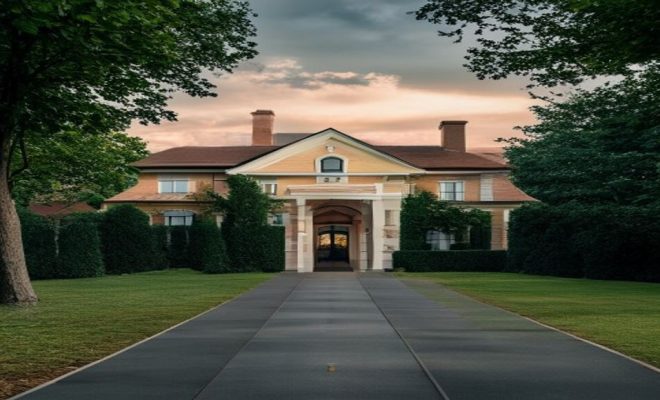
As we look ahead to the academic year of 2026-2027, parents across Georgia are on the hunt for the best elementary schools to ensure a bright start for their children. The best elementary schools in Georgia 2026 2027 promise not only excellent academic performance but also nurturing environments that promote overall development. In this article, we will explore the top nine schools that stand out for their commitment to excellence, innovative teaching methods, and community engagement.
1. Woods Mill Academy (Suwanee)
Woods Mill Academy has consistently ranked among the top schools in Georgia due to its dedication to individualized learning. Its exceptional faculty is trained to cater to diverse learning styles, ensuring that no child is left behind. The academy emphasizes a balanced curriculum that combines rigorous academics with arts and physical education, fostering well-rounded students.
Parents appreciate the school’s strong emphasis on technology integration, which prepares students for a digital future. With a student-teacher ratio of 15:1, Woods Mill Academy provides ample opportunity for personalized attention, which is crucial for elementary school learners.
2. Brookwood Elementary School (Snellville)
Brookwood Elementary School is well-known for its vibrant community atmosphere and inclusive environment. The school offers a rich variety of extracurricular activities, including sports, music, and art programs, making it a holistic educational institution. Parents and students alike praise the dedicated staff who foster a love for learning through engaging instructional methods.
Brookwood also focuses heavily on STEM education, preparing students for future challenges in a technology-driven economy. The school’s commitment to academic excellence is reflected in its impressive test scores, making it one of the best elementary schools in Georgia 2026 2027.
3. Chapel Hill Elementary School (Douglasville)
Chapel Hill Elementary stands out for its community partnerships and emphasis on social-emotional learning. This school recognizes that a child’s emotional well-being is just as important as their academic achievements. Through programs that teach empathy and teamwork, students develop important life skills that extend beyond the classroom.
Additionally, Chapel Hill’s curriculum includes project-based learning, which encourages students to engage in real-world problems. This experiential approach not only enhances critical thinking but also equips students with the tools needed for future success.
4. Shakerag Elementary (Johns Creek)
Located in one of Georgia’s most affluent areas, Shakerag Elementary is distinguished by its strong academic performance and dedicated staff. The school is known for its holistic approach to education, focusing on the development of the whole child. With a focus on both academics and character-building, Shakerag prepares students to be responsible citizens.
The school’s facilities are state-of-the-art, featuring advanced technology and resources that enhance the learning experience. Students have access to interactive learning tools that make lessons more engaging, which is crucial in keeping young minds interested.
5. Big Creek Elementary (Cumming)
Big Creek Elementary is celebrated for its nurturing environment and strong parental involvement. The school encourages parents to participate in various activities throughout the year, fostering a strong sense of community. Parents often highlight the effective communication and transparency maintained by the school staff.
Academically, Big Creek excels in its reading and math programs, consistently achieving higher than average scores in statewide assessments. The school also offers a robust gifted program, catering to students who require additional challenges.
6. Oakhurst Elementary School (Decatur)
Oakhurst Elementary School stands out for its commitment to cultural diversity and inclusion. The school’s curriculum reflects a rich variety of cultural perspectives, making it a welcoming environment for students from all backgrounds. This diversity enriches the educational experience and prepares students for a global society. (See: U.S. Department of Education.)
In addition to its academic achievements, Oakhurst places a strong emphasis on environmental education. Students engage in activities that promote sustainability, fostering a sense of responsibility towards the planet. This approach not only educates but also empowers students to be proactive citizens.
7. Alpha Academy (Atlanta)
Located in the heart of Atlanta, Alpha Academy is known for its innovative teaching methods and strong focus on critical thinking skills. The school implements a curriculum that encourages inquiry-based learning, allowing students to explore subjects deeply and critically. This method has received positive feedback from parents who notice their children’s increased engagement and enthusiasm for learning.
Alpha Academy also prioritizes technology in the classroom, ensuring that students are well-prepared for a future where digital literacy is paramount. The school consistently ranks high in academic performance, positioning itself as one of the best elementary schools in Georgia 2026 2027.
8. Pine Mountain Academy (Marietta)
Pine Mountain Academy is celebrated for its strong leadership and clear vision for student success. The school’s administration places a high value on teacher development, ensuring that educators are equipped with the latest teaching methodologies. This focus on professional growth translates to better instructional quality in the classroom. (Finding Your Fit guide)
Moreover, Pine Mountain offers a rich array of extracurricular activities, including robotics, music, and sports, which are crucial for developing well-rounded individuals. The school’s nurturing environment encourages both academic and personal growth, making it a favorite among families.
9. River Eves Elementary (Roswell)
River Eves Elementary has gained recognition for its commitment to academic excellence and community involvement. The school actively engages parents and local organizations in educational initiatives, creating a strong support network for students. Such collaboration enhances not only the academic experience but also the social development of children.
The curriculum at River Eves is designed to foster critical thinking and problem-solving skills. With a diverse array of programs, including art, science, and physical education, the school ensures that students receive a balanced education that prepares them for future academic pursuits.
What Makes a School the “Best”?
Determining what qualifies as the “best” elementary school can often be subjective, as different families have different needs and values. However, certain criteria can generally be agreed upon. Academic performance is often the first consideration—schools that consistently achieve high test scores and have strong graduation rates tend to rise to the top. Additionally, factors like teacher qualifications, student-teacher ratios, and available resources play significant roles.
Another important aspect is the school’s environment. A positive, inclusive culture can foster both emotional and academic growth. Schools that prioritize social-emotional learning, mental health support, and community engagement tend to have better outcomes for their students. Finally, extracurricular opportunities, from sports to arts programs, can greatly enhance the school experience, contributing to well-rounded education.
Trends in Education for 2026-2027
In recent years, education has continued to evolve rapidly, fueled in part by technological advancements and societal changes. By the 2026-2027 school year, you can expect several key trends to shape the landscape of elementary education in Georgia.
One major trend is the continued integration of digital learning tools. Schools are increasingly using technology to enhance traditional teaching methods, making learning more interactive and engaging. Platforms for remote learning, online assessments, and educational apps have become commonplace, allowing for personalized learning experiences tailored to each child’s pace and style.
Another significant trend is an increased focus on mental health and well-being. Schools are recognizing the importance of nurturing students’ emotional health alongside their academic performance. Programs aimed at social-emotional learning are being integrated into curricula, helping students develop resilience, empathy, and interpersonal skills.
Finally, there’s a growing emphasis on diversity, equity, and inclusion. Schools are working to create environments where all students feel valued and accepted. This includes a curriculum that reflects diverse perspectives and encourages critical thinking about social issues.
Statistics Supporting School Performance
When assessing the best elementary schools, statistics provide objective evidence of performance and effectiveness. For instance, Georgia’s statewide assessments, such as the Georgia Milestones, give insight into how schools perform in core subjects like English Language Arts and Mathematics. (See: CDC Youth Health Programs.)
According to the Georgia Department of Education, schools that rank in the top 10% often report a staggering 90% or higher proficiency rate in these subjects. For example, in 2022, schools like Woods Mill Academy and River Eves Elementary reported proficiency rates of 95% in math, significantly above the state average of 75%.
Furthermore, research shows that parental engagement can positively correlate with student success. Schools that actively involve parents in their child’s education—through volunteer programs, workshops, and communication—tend to have better academic outcomes.
Expert Perspectives on Educational Choices
Experts in education often emphasize the importance of selecting a school that aligns with a child’s unique needs and learning style. Dr. Linda Johnson, an educational consultant, suggests that parents consider not only academic performance but also the emotional and social environment of the school. “A nurturing environment can make a significant difference,” she says, “It’s essential for children to feel safe and supported to thrive academically.”
Similarly, Dr. Mark Thompson, a professor of education at Georgia State University, highlights the role of extracurricular activities in overall development. “Schools that provide a wide range of activities not only help students discover their interests but also teach vital life skills like teamwork and leadership,” he notes.
Frequently Asked Questions (FAQ)
What should I consider when choosing an elementary school?
Consider factors such as academic performance, teacher qualifications, school culture, extracurricular opportunities, and distance from your home. Also, think about your child’s individual needs and interests.
How can I find out more about a school’s performance?
You can look up school performance reports on the Georgia Department of Education’s website, where you can find data on test scores, graduation rates, and other performance metrics.
Are private schools better than public schools?
It depends on your child’s needs. Some studies indicate that private schools may provide more specialized programs, but many public schools offer excellent educational opportunities and resources.
What is the role of parental involvement in education?
Parental involvement is crucial. Research shows that students whose parents are engaged in their education perform better academically and socially.
How do I prepare my child for success in elementary school?
Encourage a love for reading, establish a routine for homework, and communicate openly about your child’s feelings and experiences at school. Being involved in school activities also helps.
What extracurricular activities should I look for in a school?
Look for a variety of activities such as sports, music, art programs, and clubs. These help foster teamwork, creativity, and a sense of community among students.
What are the benefits of a diverse school environment?
A diverse school environment helps students develop cultural awareness and understanding. It prepares them for a multicultural world and promotes empathy and respect for different perspectives. (See: National Institute of Child Health.)
How important is technology in elementary education?
Technology is increasingly important in education. It enhances learning experiences, allows for personalized education, and prepares students for a future where digital skills are essential.
Conclusion
As we consider the best elementary schools in Georgia 2026 2027, each of these institutions offers unique strengths that cater to the diverse needs of students and parents. With a focus on academic excellence, community engagement, and holistic development, these schools represent the best of what Georgia has to offer.
Key Factors Influencing School Rankings
Understanding the factors that contribute to a school’s ranking can help parents make informed choices. Besides academic performance, aspects such as teacher experience, school safety, and the availability of advanced programs in arts and sciences are essential. For example, schools that consistently implement innovative curricula often outperform their peers. A notable mention is the integration of arts in STEM education, referred to as STEAM, which has gained traction in many schools across Georgia. For more on this, see top school districts overview.
Community involvement is another critical factor. Schools that promote partnerships with local businesses and organizations can offer students real-world experiences that enhance learning. This can include internships, mentorships, and community service projects that provide students with valuable skills beyond academics.
Future Predictions for Elementary Education
Looking into the future of education, it’s evident that the landscape will continue to change. A trend toward personalized learning experiences is expected to grow, where technology plays an essential role in tailoring instruction to meet the individual needs of each student. The continued rise of artificial intelligence in classrooms could revolutionize how subjects are taught, making education more interactive and responsive.
Additionally, the focus on mental and emotional wellness, especially in the wake of the pandemic, will likely remain a priority. Schools may implement more comprehensive mental health programs, ensuring that students have access to resources that support their well-being.
Success Stories from Top Elementary Schools
Real-life success stories can shed light on why certain schools excel. For instance, a student at Woods Mill Academy, who struggled with reading in first grade, received personalized attention through tailored reading programs. By the time she reached the third grade, she not only improved her reading skills but also developed a love for literature, participating in the school’s book club.
Similarly, at Brookwood Elementary, a multi-talented student engaged in robotics and drama found her passion during a school science fair, leading her to win a statewide competition. Such stories highlight how schools can nurture talents and create pathways for student success.
Looking Ahead: Making the Right Choice
As we approach the 2026-2027 academic year, parents should take the time to visit prospective schools, attend open houses, and talk to teachers and administrators. Observing the school environment firsthand can provide insights into whether a school is the right fit for your child. It’s not just about academic scores; it’s about finding a place where your child will feel valued, inspired, and motivated to learn.
“`
Trending Now
Frequently Asked Questions
What are the best elementary schools in Georgia for 2026-2027?
The top elementary schools in Georgia for the 2026-2027 academic year include Woods Mill Academy, Brookwood Elementary School, and Chapel Hill Elementary School, known for their excellent academic performance and nurturing environments.
What makes Woods Mill Academy stand out?
Woods Mill Academy is recognized for its individualized learning approach, exceptional faculty, and a balanced curriculum that integrates academics, arts, and physical education, all within a supportive environment.
How does Brookwood Elementary support student development?
Brookwood Elementary School fosters a vibrant community atmosphere with a range of extracurricular activities, including sports and arts, while emphasizing STEM education to equip students for future challenges.
What is the student-teacher ratio at Woods Mill Academy?
Woods Mill Academy maintains a student-teacher ratio of 15:1, allowing for personalized attention and tailored learning experiences for each student, which is crucial in elementary education.
Are there any specific programs highlighted at Chapel Hill Elementary School?
Chapel Hill Elementary School is noted for its commitment to innovative teaching methods and community engagement, providing a comprehensive education that supports both academic and personal growth for students.
Agree or disagree? Drop a comment and tell us what you think.