Top Ten Facts About Beowulf for Kids

When we talk about heroes, you might think of superheroes with capes and superpowers, right? But long, long ago, even before castles and knights were a common thing, there was a hero whose story has been told for over a thousand years! We’re talking about Beowulf, a legendary warrior from a very old poem. It’s a tale filled with monsters, bravery, and some serious challenges. If you’re curious about ancient heroes and epic adventures, you’ve come to the right place. Let’s dive into some truly fascinating Beowulf facts for kids that will make you see this old story in a whole new light.
This isn’t just any old poem; it’s a window into a world of fierce warriors, powerful kings, and terrifying beasts that tested even the bravest souls. Beowulf isn’t just a character; he’s a symbol of what people valued back then: strength, loyalty, and a willingness to face evil head-on. So grab your imaginary shield and sword, because we’re about to explore the incredible story of Beowulf, peeling back the layers of history to reveal why this tale still captivates us today.
1. An Old English Masterpiece: It’s Older Than Shakespeare!
Imagine a book so old that it was written before England even really existed as we know it, and certainly long before anyone had heard of William Shakespeare! That’s Beowulf for you. The poem was probably composed by an unknown Anglo-Saxon poet between the 8th and 11th centuries, which means it could be over 1,200 years old! Think about that for a second. That’s a huge stretch of time. The English language it’s written in, ‘Old English,’ is so different from what we speak today that it looks like a foreign language to us. It’s like comparing a modern smartphone to an ancient abacus – both do a job, but they’re incredibly different in form and function.
This incredible age makes Beowulf one of the most important pieces of literature from that period. It gives historians and language experts a rare glimpse into the culture, beliefs, and even the language of the Anglo-Saxons, who were the dominant group in what is now England before the Norman Conquest in 1066. It’s not just a story; it’s a historical artifact, a time capsule preserved through centuries. Understanding these Beowulf facts for kids helps us appreciate how long stories have been passed down and how much our language has changed.
2. The Only Surviving Manuscript: A Close Call with Fire!
It’s truly a miracle that we have Beowulf at all! The original manuscript, the very paper it was written on, is housed in the British Library in London. But here’s the crazy part: in 1731, a massive fire broke out in Ashburnham House, where many valuable manuscripts were stored. The Beowulf manuscript was badly damaged, scorched around the edges, and some of the text was even lost forever. It was an incredibly close call, a literary disaster that almost erased this ancient epic from existence. Imagine losing such an important piece of history to a fire!
Thanks to the quick thinking of librarians and scholars, parts of the manuscript were saved, though the damage is still visible today. This event highlights how fragile historical documents are and how much we owe to those who preserved them, often at great personal risk. Without their efforts, these amazing Beowulf facts for kids wouldn’t even exist. It’s a stark reminder that history isn’t just written; it’s also preserved, sometimes by the narrowest of margins.
3. The Protagonist, Beowulf: A Geatish Hero, Not Danish!
When you hear the story of Beowulf, you might think he’s a Dane because so much of the action happens in Denmark. But here’s a crucial detail: Beowulf himself isn’t Danish! He’s a hero from the Geats, a tribe from what is now southern Sweden. He sails across the sea with a band of his bravest warriors to help King Hrothgar of the Danes, whose mead hall, Heorot, is being terrorized by the monstrous Grendel. It’s a classic tale of a hero answering a desperate call for help from a neighboring kingdom.
This detail is important because it showcases the values of the time: loyalty, courage, and a strong sense of duty, even to other tribes. Beowulf isn’t paid for his help; he offers it out of honor and a desire for glory, which was a huge deal in Anglo-Saxon culture. He’s not just fighting for his own people; he’s fighting for humanity against monstrous evil. Understanding this origin makes his journey and his motivations even more impressive, adding depth to these Beowulf facts for kids.
4. Three Epic Battles: Grendel, Grendel’s Mother, and the Dragon!
Beowulf’s story isn’t just one fight; it’s three massive, life-or-death battles that define his heroism. First, he takes on Grendel, a terrifying monster who has been attacking Heorot for twelve long years. Beowulf famously fights Grendel with his bare hands, tearing off the monster’s arm in a brutal struggle. Can you imagine facing a monster without any weapons? That’s some serious courage!
But the story doesn’t end there. Grendel’s monstrous mother, enraged by her son’s death, comes seeking revenge. Beowulf tracks her to her underwater lair and fights her in an even more desperate battle, eventually defeating her with a magical sword. Many years later, after Beowulf has become king of the Geats, his kingdom is threatened by a fire-breathing dragon. Even as an old man, Beowulf faces this final, incredibly dangerous foe, sacrificing his life to save his people. These three conflicts are the pillars of the narrative, each one more challenging than the last, and they really bring home the incredible bravery highlighted in these Beowulf facts for kids.
5. Heorot, the Golden Hall: A Symbol of Civilization and Joy
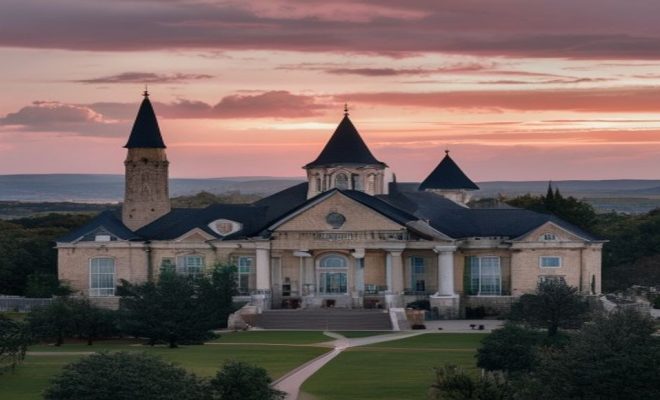
The mead hall, Heorot, plays a central role in the story. It’s not just a big building; it’s a magnificent, golden hall built by King Hrothgar, a place of feasting, storytelling, and community. In the Anglo-Saxon world, a mead hall was the heart of the kingdom, a symbol of the king’s power and generosity, and a safe haven from the dangers outside. Imagine a grand banquet hall, filled with the sounds of laughter, music, and the clinking of drinking horns – that’s Heorot at its best. (See: Wikipedia article on Beowulf.)
Grendel’s attacks on Heorot aren’t just about killing people; they’re an assault on civilization itself, on joy, and on the very idea of community. By terrorizing the hall, Grendel brings darkness and despair to the Danes. Beowulf’s arrival to purify Heorot isn’t just about defeating a monster; it’s about restoring order, peace, and the light of human fellowship. It shows how important these gathering places were to their society, making it a key element in understanding these Beowulf facts for kids.
6. The Importance of ‘Wyrd’ (Fate): A Guiding Force
In the world of Beowulf, people believed strongly in ‘wyrd,’ which is the Old English word for fate or destiny. It wasn’t about giving up or just letting things happen; it was about accepting that some things are predetermined, but that heroes still have a duty to act bravely and honorably within the bounds of their fate. Beowulf often talks about how fate will decide the outcome of his battles, but he never shies away from fighting with all his might. He sees his courage as part of his destiny, a way to fulfill what has been laid out for him. We covered explore English literature in more detail.
This concept of wyrd is different from modern ideas of destiny. It’s not about being helpless; it’s about facing your fate with dignity and courage, knowing that your actions contribute to your legacy, regardless of the ultimate outcome. It means that even if you’re fated to die, you still fight like a hero, because that’s what a hero does. It’s a fascinating look into the mindset of these ancient warriors and a vital piece of these Beowulf facts for kids.
7. Oral Tradition Before Writing: Stories Told Around the Fire
Before the Beowulf poem was ever written down, it was probably a story, or a collection of stories, passed down by word of mouth for generations. Imagine sitting around a crackling fire on a cold, dark night, listening to a scop (a kind of poet or storyteller) chant tales of brave warriors and fearsome monsters. These stories weren’t just entertainment; they taught lessons about courage, loyalty, and what it meant to be a good leader or follower. They were how history and culture were preserved and shared.
When the poem was finally written down, it captured this rich oral tradition, turning spoken words into a lasting written record. This transition from oral storytelling to written literature is a significant moment in history, and Beowulf stands as a magnificent example of it. It’s a testament to the power of stories, showing how they can endure and evolve over centuries, which is a truly cool aspect of these Beowulf facts for kids.
8. J.R.R. Tolkien’s Influence: A Scholar and a Fan!
If you’ve ever read The Hobbit or The Lord of the Rings, you owe a debt to Beowulf! J.R.R. Tolkien, the famous author of those fantasy epics, was actually a professor of Anglo-Saxon at Oxford University and a huge fan of Beowulf. He studied the poem deeply and wrote an incredibly important essay called ‘Beowulf: The Monsters and the Critics,’ which changed how people understood the poem. He argued that Beowulf should be appreciated as a work of art and not just a historical document.
Tolkien’s love for Beowulf clearly influenced his own writing. Think about the dragon Smaug in The Hobbit – doesn’t he remind you a bit of the dragon Beowulf fights? The themes of heroism, treasure, and the struggle against ancient evil found in Beowulf are echoed throughout Middle-earth. It’s a fantastic example of how old stories can inspire new ones, and a truly neat connection for these Beowulf facts for kids.
9. The Christian and Pagan Mix: A Fascinating Blend of Beliefs
Here’s something really interesting about Beowulf: it was written during a time when England was transitioning from pagan beliefs (worshipping multiple gods, like the Norse gods) to Christianity. Because of this, the poem has a unique blend of both. You’ll find references to God and divine judgment, but also elements of Germanic paganism, like a strong emphasis on fate (wyrd), glory, and earthly rewards. It’s like a snapshot of a changing world, where old traditions were meeting new ideas.
The poet, who was likely a Christian monk, incorporated Christian themes of good versus evil and God’s will into a story that has deep roots in pagan heroic traditions. This mix can sometimes feel a bit contradictory, but it makes the poem incredibly rich and complex. It shows us how cultures adapt and how new beliefs can be woven into existing narratives, making these Beowulf facts for kids even more thought-provoking. It’s a powerful reminder that history is rarely simple, and often, it’s a fascinating blend of many different things.
10. The Role of Gold and Treasure: More Than Just Shiny Stuff
In Beowulf’s world, gold and treasure weren’t just about being rich in the way we think today. They were incredibly important symbols of a king’s power, generosity, and the bonds between a leader and his warriors. When a king gave out gold rings, armor, or other precious items, it wasn’t just a gift; it was a reward for loyalty and bravery, and it strengthened the relationship between the ruler and his followers. This exchange was called a ‘ring-giving’ tradition, and it was a really big deal.
Think about it: a warrior would fight bravely for his king, risking his life, and in return, he’d receive treasure. This treasure wasn’t just something to keep; it was a visible sign of his honor and his king’s appreciation. It showed everyone his standing in society. The dragon in Beowulf guards a massive hoard of gold, and Beowulf’s final battle is partly about protecting his people from the dragon’s wrath, which was stirred by a thief stealing a single goblet from this hoard. This highlights how deeply treasure was connected to status, loyalty, and even the fate of a kingdom. It gives us a peek into the economic and social values of the Anglo-Saxon period, making these Beowulf facts for kids richer with context.
11. Grendel as an Outcast: A Symbol of Evil and Isolation
Grendel isn’t just a scary monster; he’s a creature of immense loneliness and evil, an outcast from human society. The poem describes him as a descendant of Cain, the first murderer in the Bible. This connection immediately tells the audience that Grendel represents ultimate evil, a being cursed by God and separated from humanity. He lives in a desolate swamp, far from the warmth and fellowship of Heorot. (See: Harvard University resources.)
His attacks on the mead hall aren’t random acts of violence; they’re driven by hatred for the joy, music, and community he hears coming from Heorot. He can’t stand the happiness of others because he is denied it himself. This makes Grendel a powerful symbol of what happens when evil and isolation take over. Beowulf’s fight against Grendel is therefore a battle against chaos and the destruction of human connection, restoring light to a world plunged into darkness by the monster’s presence. Understanding Grendel’s motivations, beyond just being a scary beast, adds another layer to these Beowulf facts for kids.
12. The Warrior Code: Loyalty, Glory, and Vengeance
The world of Beowulf is governed by a strict warrior code, a set of rules and expectations for how heroes and their followers should behave. Loyalty was absolutely paramount. A warrior was expected to be fiercely loyal to his lord, even to the point of death. In return, the lord was expected to be generous and protect his people.
Glory, or ‘lof’ in Old English, was also a huge motivator. Warriors sought fame through brave deeds, knowing that their reputation would live on long after they died. This quest for glory often meant facing terrifying dangers without hesitation. Finally, vengeance was a powerful force. If a kinsman was killed, it was a sacred duty to seek revenge, either through blood-feud or by demanding ‘wergild’ (man-price) – a payment to avoid further conflict. Beowulf’s actions, from traveling to help Hrothgar to his final stand against the dragon, are all deeply rooted in this warrior code. It shapes his decisions and gives us insight into the values of these ancient societies, which is a crucial part of these Beowulf facts for kids.
13. Beowulf’s Legacy and Memorial: The Barrow on Hronesness
After Beowulf’s heroic death in battle against the dragon, his people build a massive barrow, a burial mound, on a headland called Hronesness, overlooking the sea. This isn’t just a grave; it’s a powerful memorial, a visible landmark for sailors and a lasting tribute to a great king. Inside the barrow, they place the dragon’s treasure, symbolizing Beowulf’s ultimate sacrifice for his people.
The barrow serves multiple purposes. It ensures Beowulf’s ‘lof’ (glory) will live on, reminding future generations of his bravery and selflessness. It also symbolizes the cyclical nature of life, death, and legacy in the Anglo-Saxon world. The physical monument reinforces the oral tradition of storytelling, ensuring that Beowulf’s name and deeds will never be forgotten. This act of remembrance is a powerful closing to the epic, emphasizing the importance of a lasting legacy in their culture, a truly profound aspect of these Beowulf facts for kids.
14. The “Scoop” on the Scop: The Storyteller’s Art
We mentioned the ‘scop’ earlier, but let’s take a closer look at this fascinating figure. A scop wasn’t just someone who recited poems; they were highly skilled professional poets and entertainers, often attached to a king’s court. They composed and performed epic tales, sometimes improvising, accompanying themselves on a harp or lyre. Their performances were vital for sharing history, teaching moral lessons, and entertaining warriors in the mead hall.
The scop’s art was complex, using specific poetic devices like ‘alliteration’ (repeating sounds at the beginning of words, like “fierce foe fought”) and ‘kennings’ (compound metaphorical expressions, like “whale-road” for the sea, or “ring-giver” for a king). These techniques made the stories memorable and impactful, especially in an oral culture. The very structure of Beowulf reflects this oral tradition, suggesting that the written poem captured the essence of a scop’s performance. Imagining a scop bringing these stories to life around a roaring fire helps us connect with the poem’s original audience, adding another layer to these Beowulf facts for kids.
Frequently Asked Questions About Beowulf for Kids
Q1: Who was Beowulf?
Beowulf was a legendary hero from a group called the Geats (from what is now Sweden). He was incredibly strong and brave, famous for fighting monsters and saving people from danger. He traveled to Denmark to help King Hrothgar and later became king of his own people.
Q2: What is Beowulf famous for?
Beowulf is most famous for his three epic battles: first, against the monster Grendel, then against Grendel’s vengeful mother, and finally, as an old king, against a fire-breathing dragon. His story is one of the oldest and most important poems written in Old English.
Q3: Where does the story of Beowulf take place?
The first part of Beowulf’s adventure takes place in Denmark, specifically in King Hrothgar’s great mead hall, Heorot. Later, after he becomes king, the final battle against the dragon happens in his homeland, the land of the Geats, which is modern-day southern Sweden. (See: BBC article on Beowulf's legacy.)
Q4: What kind of monster was Grendel?
Grendel was a terrifying, monstrous creature, described as a descendant of Cain (from the Bible), cursed and living in the wilderness. He was strong, evil, and hated the joy and community of humans, which is why he attacked Heorot. He didn’t use weapons, relying on his brute strength.
Q5: How did Beowulf defeat Grendel?
Beowulf defeated Grendel in a brutal hand-to-hand fight. He refused to use weapons because Grendel didn’t use any. Beowulf was so strong that he tore Grendel’s arm off, mortally wounding the monster. Grendel then fled to his lair and died.
Q6: Why is Beowulf considered an important poem?
Beowulf is super important because it’s one of the oldest surviving long poems in the English language (Old English!). It gives us a rare look into the culture, beliefs, and language of the Anglo-Saxons who lived over a thousand years ago. It also influenced many famous fantasy writers, like J.R.R. Tolkien!
Q7: What is a mead hall?
A mead hall like Heorot was a very important building in Anglo-Saxon society. It was a large hall where the king and his warriors would feast, drink mead (a honey drink), tell stories, and celebrate. It was the heart of the community and a symbol of the king’s power and generosity.
Q8: What is ‘wyrd’?
‘Wyrd’ is an Old English word that means fate or destiny. In Beowulf’s time, people believed that some things were predetermined by fate. However, this didn’t mean they just gave up; heroes like Beowulf still acted with courage and honor, fulfilling their destiny through brave deeds.
Q9: Did Beowulf really exist?
Most historians and scholars believe Beowulf was a legendary figure, not a real person. However, the poem does mention some historical kings and tribes that really existed, which makes the story feel very real and grounded in history, even if Beowulf himself is a fictional hero.
Q10: How old is the Beowulf poem?
The Beowulf poem was probably composed sometime between the 8th and 11th centuries, meaning it could be over 1,200 years old! The only surviving manuscript, however, was written down around the year 1000.
So there you have it! Beowulf is so much more than just an old story about a hero and some monsters. It’s a journey through ancient history, a glimpse into a changing world, and a testament to the enduring power of bravery, loyalty, and facing your fears. These Beowulf facts for kids show us that even stories from over a thousand years ago can still teach us a lot about courage and what it means to be a hero. Who knew an old poem could be so packed with incredible details and lasting influence? Next time you think about heroes, remember Beowulf, the original monster-slayer who paved the way for so many epic tales that followed.
Trending Now
Frequently Asked Questions
What is the story of Beowulf about?
Beowulf is an epic poem that tells the tale of a legendary warrior who battles monsters, including Grendel and a dragon. The story explores themes of bravery, loyalty, and the struggle between good and evil, showcasing the values of ancient warrior culture.
Who wrote the poem Beowulf?
The poem Beowulf was likely composed by an unknown Anglo-Saxon poet between the 8th and 11th centuries. This makes it one of the oldest pieces of literature in the English language, predating famous writers like Shakespeare.
Why is Beowulf important in literature?
Beowulf is significant because it provides insights into the culture, beliefs, and values of early medieval society. Its themes of heroism and morality have influenced countless stories and remain relevant in literature today.
What language is Beowulf written in?
Beowulf is written in Old English, a form of the English language that differs greatly from modern English. This ancient language can seem almost foreign to contemporary readers, highlighting the poem's historical significance.
How old is the poem Beowulf?
Beowulf is over 1,200 years old, with its composition estimated to have occurred between the 8th and 11th centuries. This remarkable age makes it one of the earliest and most important works in English literature.
What’s your take on this? Share your thoughts in the comments below — we read every one.