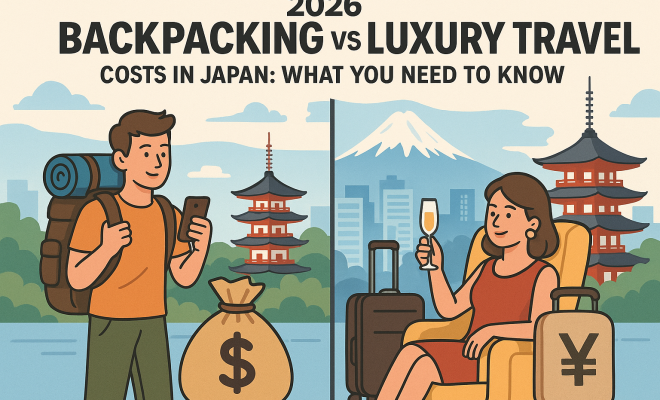
Japan 2026: Backpacking vs. Luxury Travel Cost Showdown
“`html
Japan is a mesmerizing destination that captivates travelers with its rich history, vibrant culture, and stunning landscapes. As we approach 2026, the debate of backpacking vs luxury travel costs in Japan 2026 becomes increasingly relevant. Whether you’re planning a budget-friendly adventure or a lavish getaway, understanding the cost breakdown is essential for making informed decisions that fit your travel style and financial capacity.
1. Accommodation Costs: Finding Your Perfect Stay
Your choice of accommodation dramatically influences your travel budget in Japan. For backpackers, hostels are a popular option, with prices ranging from ¥2,500 to ¥4,500 ($20 to $35) per night in major cities like Tokyo and Osaka. Dormitory-style hostels are commonplace, offering shared rooms often equipped with basic amenities.
On the flip side, luxury travelers will find a plethora of high-end hotels and ryokans, traditional Japanese inns, where nightly rates can range from ¥20,000 to ¥50,000 ($150 to $400). Ryokans offer an authentic experience, complete with tatami mat flooring and kaiseki meals, providing a unique glimpse into Japan’s culture and hospitality.
For those seeking mid-range options, boutique hotels and guesthouses are also available, which can range from ¥10,000 to ¥20,000 ($75 to $150) per night. These accommodations often provide a blend of comfort and local charm, ideal for travelers who want a taste of luxury without the sky-high prices.
1.1. Unique Accommodation Experiences
If you’re looking for something a bit different, Japan also offers unique accommodation options such as capsule hotels, themed hotels, and even farm stays. Capsule hotels, which can be found in major cities, allow you to sleep in a small, pod-like space for a fraction of the cost of a traditional hotel—typically around ¥3,000 to ¥6,000 ($25 to $55) per night. These hotels are especially popular among solo travelers and are a fun experience.
Themed hotels, such as those with anime or historical themes, can start at around ¥10,000 ($75) per night, offering a quirky twist to your stay. For those who want to immerse themselves in rural Japan, farm stays provide an opportunity to enjoy traditional Japanese life while connecting with nature, usually priced from ¥6,000 to ¥15,000 ($50 to $120) per night, including meals.
2. Transportation: Getting Around Japan
Japan’s transportation system is famously efficient. For backpackers, purchasing a Japan Rail Pass can be a wise investment. Depending on the length of your travel, prices range from ¥29,650 for a 7-day pass to ¥46,390 for a 21-day pass (approximately $230 to $350). This pass provides unlimited travel on JR trains, including the Shinkansen, making it perfect for exploring multiple cities.
Luxury travelers, however, may opt for private transfers or first-class seats on trains, which elevate the experience. First-class tickets on Shinkansen trains can cost between ¥14,000 and ¥30,000 ($100 to $250) one way, offering spacious seating and enhanced comfort. For those who prefer hassle-free travel, hiring a private car and driver is also a possibility, though it can dramatically inflate transportation costs.
Additionally, urban public transportation systems in cities like Tokyo are incredibly reliable and affordable. Subway and bus fares typically range from ¥200 to ¥500 ($2 to $4) per trip, making it a convenient option for budget-conscious travelers. Luxury travelers might choose to use taxis, which can be more expensive, with base fares starting around ¥410 ($3) and increasing with distance, often leading to total fares that can exceed ¥5,000 ($40) for longer journeys.
2.1. Alternative Transportation Options
For those who want a unique travel experience, consider alternative transportation methods. Renting a bicycle is a popular way to explore cities like Kyoto and Nara, with rental fees averaging around ¥1,000 to ¥2,500 ($8 to $20) per day. Cycling allows you to experience the area at your own pace while enjoying the scenery.
For the adventurous, renting a scooter or motorcycle can provide a different perspective on Japan’s landscapes. Daily rental rates range from ¥3,000 to ¥6,000 ($25 to $55). Just remember to check local traffic rules and regulations before hitting the road!
3. Food Experiences: Dining on a Dime vs. Indulging
Japan is renowned for its exquisite culinary offerings, from street food to Michelin-starred restaurants. Backpackers can eat well on a budget, often enjoying delicious ramen, sushi, or bento boxes for ¥500 to ¥1,500 ($4 to $12) per meal. Convenience stores are treasure troves for affordable snacks and meals, with onigiri (rice balls) and sandwiches readily available for under ¥300 ($2).
Luxury travelers, meanwhile, may indulge in multi-course kaiseki dinners or high-end sushi experiences, which can range from ¥10,000 to ¥30,000 ($80 to $250) per person. Michelin-starred establishments, such as Sukiyabashi Jiro in Tokyo, are bucket-list dining experiences that may require reservations months in advance, making them well worth the splurge for food enthusiasts.
For those who want to experience both worlds, many cities offer a vibrant street food scene that can satisfy diverse palates. You can savor delicious dishes such as takoyaki (octopus balls) and okonomiyaki (savory pancakes) for around ¥500 to ¥1,500 ($4 to $12), providing a tasty middle ground between budget and luxury. Cooking classes are also gaining popularity, where travelers can learn the art of sushi-making or ramen preparation, often priced around ¥6,000 to ¥12,000 ($45 to $90), allowing visitors to take a piece of Japan’s culinary culture home with them.
3.1. Food Festivals and Local Markets
Another fantastic way to enjoy Japanese cuisine without overspending is to visit local food festivals and markets. These events often showcase regional specialties and street food vendors, offering delicious options at reasonable prices. For example, the famous Tsukiji Outer Market in Tokyo is a must-visit for seafood lovers, where you can sample fresh sushi and sashimi for as little as ¥1,000 ($8).
Local food festivals, which occur throughout the year in different regions, provide a vibrant atmosphere where travelers can try an array of dishes from various vendors. From the Hokkaido Seafood Festival to the Osaka Takoyaki Festival, these events typically feature a range of high-quality and affordable food options, making them a great way to experience Japan’s culinary richness.
4. Activities and Attractions: Making the Most of Your Experience
Backpackers can explore Japan’s rich cultural heritage without breaking the bank. Many temples, shrines, and parks have low entrance fees, often just ¥500 to ¥1,000 ($4 to $8). Free walking tours and local festivals provide fantastic ways to immerse yourself in local culture at no cost.
In contrast, luxury travelers may choose exclusive experiences such as private guided tours, which can start at ¥10,000 ($80) and go up significantly depending on the itinerary. Unique activities like private tea ceremonies, sake tastings, and guided tours of historical districts provide a deeper understanding of Japanese traditions, making these options appealing for those willing to spend more.
Another fascinating option for both backpackers and luxury travelers is to explore Japan’s natural beauty. National parks such as Fuji-Hakone-Izu National Park or Nikko National Park offer hiking trails and breathtaking views, with minimal entrance fees. For those seeking more guided experiences, luxury travelers can book private hiking guides, with costs typically ranging from ¥15,000 to ¥30,000 ($120 to $250) for a day experience, enhancing their connection to the stunning landscapes.
4.1. Cultural Immersion Experiences
For travelers eager to immerse themselves more deeply in Japanese culture, consider participating in workshops or classes that teach traditional arts and crafts. Activities such as pottery, calligraphy, or kimono-wearing sessions can range from ¥5,000 to ¥15,000 ($40 to $120), allowing you to create a personal memento while gaining insight into Japanese traditions.
Additionally, major cities often host cultural festivals that celebrate local traditions, such as the Gion Matsuri in Kyoto or the Nebuta Matsuri in Aomori. Attending these events can enrich your travel experience, providing opportunities to see traditional performances, taste local cuisine, and engage with the community.
5. Miscellaneous Costs: What to Consider
Beyond major expenses, it’s important to consider miscellaneous costs. Backpackers should budget for laundry, toiletries, and occasional splurges on souvenirs. A laundry service may cost around ¥1,000 ($8), while souvenirs can vary widely, from ¥500 ($4) keychains to ¥10,000 ($80) for traditional crafts.
Luxury travelers might also want to consider costs for premium services, such as spa treatments, which can range from ¥8,000 to ¥20,000 ($60 to $150). High-end shopping in districts like Ginza can also lead to significant expenditures, especially for designer brands and artisanal goods.
Travel insurance is another essential cost that shouldn’t be overlooked. For budget travelers, basic coverage can start at around ¥2,000 ($15) for a week, whereas comprehensive plans for luxury travelers can reach up to ¥15,000 ($120) depending on coverage levels. This expense ensures peace of mind during your travels, regardless of your chosen style.
5.1. Tips for Budgeting Your Trip
Creating a budget for your trip to Japan can be a daunting task, especially with the wide range of potential expenses. Start by prioritizing your travel goals: Do you want to indulge in fine dining? Or are you more interested in cultural experiences? Once you have a clear idea of what you want to do, allocate your budget accordingly.
Consider using budgeting apps or spreadsheets to track your expenses, helping you stay on top of your spending while traveling. Also, keep some flexibility in your budget for unexpected experiences or last-minute splurges that might catch your eye. With a little planning, you can enjoy all that Japan has to offer, no matter your travel style.
6. Cost Summary: Comparing Daily Expenses
When comparing daily expenses, backpackers can expect to spend approximately ¥7,000 to ¥12,000 ($55 to $95) per day, inclusive of accommodation, food, transportation, and activities. This budget allows for a fulfilling experience without excessive spending.
In contrast, luxury travelers can anticipate costs ranging from ¥30,000 to ¥80,000 ($230 to $620) per day. This budget reflects high-end accommodation, fine dining experiences, and personalized tours, providing a more comfortable and exclusive travel experience.
For those looking for a balance, mid-range travelers may find their costs averaging between ¥15,000 and ¥30,000 ($120 to $230), allowing room for both comfort and cultural immersion.
7. Social Media and Travel Trends: Navigating FOMO
As travel trends evolve, social media plays a pivotal role in shaping perceptions of travel costs. The idea that Japan is prohibitively expensive is being challenged, leading to discussions about budget travel hacks and experiences. Many travelers are sharing tips on how to enjoy Japan’s luxury offerings without the sky-high price tags, creating a community of savvy explorers.
The trend of sharing travel experiences on platforms like Instagram and TikTok is increasing the appeal of Japan as a destination for all travel styles. These platforms highlight affordable yet unique experiences, showcasing how to travel Japan on varying budgets while sparking curiosity and motivating new travelers to explore.
In 2026, these trends are expected to continue evolving, with more influencers promoting sustainable and responsible travel practices. This year may also see an increase in travel apps that cater to budget and luxury travelers alike, providing real-time cost comparisons and local tips on where to eat, stay, and explore.
8. Making Your Decision: Which Style Fits You?
Ultimately, the choice between backpacking and luxury travel in Japan boils down to personal preferences and financial realities. For those who crave adventure and cultural immersion, backpacking offers the chance to connect with locals and explore off-the-beaten-path destinations. Conversely, if you prioritize comfort and exclusivity, luxury travel provides an unforgettable experience tailored to your desires.
As you consider your travel plans for 2026, reflect on your priorities. Whether you choose to trek through the mountains as a backpacker or indulge in the opulent offerings of luxury travel, Japan is a destination that promises unforgettable memories, regardless of your budget.
9. Frequently Asked Questions (FAQ)
What is the average cost of backpacking in Japan?
The average cost of backpacking in Japan is typically around ¥7,000 to ¥12,000 ($55 to $95) per day. This includes accommodation, food, transportation, and activities.
How much does luxury travel cost in Japan?
Luxury travel costs can range from ¥30,000 to ¥80,000 ($230 to $620) per day, depending on the level of accommodation, dining, and activities chosen.
Are there affordable dining options in Japan?
Yes, Japan offers a variety of affordable dining options, including street food, convenience store meals, and inexpensive restaurants. Meals can cost as little as ¥500 ($4).
How can I save money while traveling in Japan?
To save money while traveling in Japan, consider purchasing a Japan Rail Pass for transportation, eating at local restaurants, and exploring free attractions like parks and temples.
Is public transportation expensive in Japan?
Public transportation in Japan is not expensive, with fares generally ranging from ¥200 to ¥500 ($2 to $4) per trip. It is efficient and widely used by both locals and tourists.
What type of accommodation should I choose for a budget trip?
For a budget trip, hostels, guesthouses, and capsule hotels are great options. They provide affordable rates and often foster a social atmosphere among travelers.
Can I experience luxury travel on a budget in Japan?
Yes, many travelers find ways to experience luxury travel on a budget by choosing less expensive luxury experiences, dining at high-end restaurants during lunch hours, or seeking out deals on accommodations.
What cultural experiences should I not miss in Japan?
Don’t miss experiencing traditional tea ceremonies, visiting historic temples and shrines, enjoying local festivals, and exploring traditional arts and crafts markets.
What are some tips for choosing between backpacking and luxury travel in Japan?
Consider your travel goals, budget, and the experience you want to have. If you’re interested in cultural immersion and meeting locals, backpacking may be the way to go. If comfort and exclusivity are your priorities, luxury travel can provide a more tailored experience. Research your options and think about what matters most to you during your journey.
How can I ensure a smooth trip to Japan in 2026?
Planning ahead is key! Make reservations for accommodations and popular experiences in advance to avoid last-minute hassles. Familiarize yourself with local customs and etiquette, and consider learning some basic Japanese phrases to help navigate interactions. Lastly, keep up with travel advisories and health guidelines to ensure a safe and enjoyable trip.
“`
Trending Now
Frequently Asked Questions
What are the accommodation costs for backpacking in Japan?
Backpackers in Japan can expect to pay between ¥2,500 to ¥4,500 ($20 to $35) per night for hostel accommodations in major cities like Tokyo and Osaka. Dormitory-style hostels are common, providing basic amenities and a social atmosphere for travelers on a budget.
How much does luxury accommodation cost in Japan?
Luxury travelers in Japan will find high-end hotels and ryokans ranging from ¥20,000 to ¥50,000 ($150 to $400) per night. Ryokans offer a traditional experience with tatami mats and kaiseki meals, showcasing Japan's rich culture and hospitality.
What are some unique accommodation options in Japan?
Japan offers unique accommodation experiences like capsule hotels, themed hotels, and farm stays. Capsule hotels, popular among solo travelers, typically cost around ¥3,000 to ¥6,000 ($25 to $55) per night, providing a compact and fun sleeping arrangement.
What is the cost of mid-range hotels in Japan?
Mid-range accommodations in Japan, such as boutique hotels and guesthouses, generally range from ¥10,000 to ¥20,000 ($75 to $150) per night. These options offer a blend of comfort and local charm, ideal for travelers seeking a taste of luxury without excessive costs.
Is backpacking or luxury travel more expensive in Japan?
The cost comparison between backpacking and luxury travel in Japan varies significantly. Backpacking is budget-friendly with hostel prices starting at ¥2,500, while luxury travel can range from ¥20,000 to ¥50,000 per night for upscale accommodations. Your choice depends on your travel style and budget.
What did we miss? Let us know in the comments and join the conversation.