8 Steps to a Phone-Free Classroom & Student Well-Being
“`html
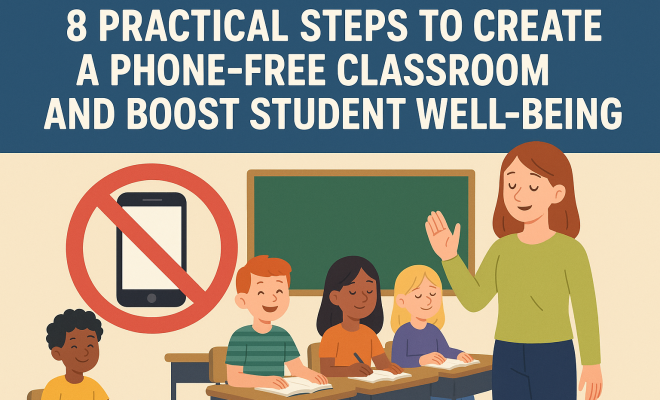
In recent years, the conversation around how to create a phone-free classroom has gained momentum, particularly following U.S. Senator Elissa Slotkin’s viral campaign urging an outright ban on cell phones in K-12 schools. With alarming statistics linking smartphone use to rising rates of depression, anxiety, and self-harm among children, educators are more eager than ever to implement effective strategies to promote healthier learning environments. But how can teachers and school administrators successfully create these phone-free spaces? In this article, we’ll explore eight practical steps to help educators effectively establish and maintain a phone-free classroom.
1. Assess the Current Situation
Before implementing any policy, it’s crucial to take a step back and assess the current state of smartphone use in your classroom. Start by observing how students interact with their phones during lessons. Are they sneaking texts, scrolling through social media, or engaged in other distracting activities? Consider conducting anonymous surveys to gather student input about their phone use and its impact on their learning.
Understanding your classroom dynamics helps set realistic expectations for a phone-free policy. Prepare to address students’ concerns about losing access to their devices, which they often view as a lifeline for communication and social connection. This assessment phase is essential for laying the groundwork for your new classroom environment.
2. Engage Parents and Guardians
Creating a phone-free classroom isn’t a one-person job; it requires the support of parents and guardians. To garner their backing, share your findings from the assessment phase, including how smartphone use impacts learning and mental health. Organize informational meetings or send newsletters outlining the benefits of a phone-free policy.
Consider creating a parent-teacher committee focused on this initiative. By involving parents in the conversation, you not only gain valuable allies but also address any opposition they might have. This proactive engagement will help ease the transition and promote collective responsibility for the students’ well-being.
3. Set Clear Expectations and Policies
Once you have parental support, it’s time to establish clear expectations and policies regarding phone use in the classroom. Start by defining what “phone-free” means in your context—will students be required to turn in their phones at the start of class, or will they simply be asked to keep them in their backpacks? Make sure your policy aligns with the school’s overall technology guidelines.
Communicate these policies effectively to students, parents, and staff. Use posters, handouts, and classroom discussions to ensure everyone understands the rationale behind the policy and the consequences of non-compliance. The goal here is to foster a culture of accountability where students feel responsible for their actions without feeling punitive pressure.
4. Implement Technology Alternatives
Educators often worry about losing access to educational tools when considering a phone-free classroom. However, there are numerous technology alternatives that can facilitate learning without the distractions of personal devices. Consider utilizing interactive classroom tools like smart boards or dedicated classroom tablets that allow for collaboration and engagement.
Moreover, explore educational apps that can be accessed through school computers or tablets. For instance, resources like Kahoot!, Quizlet, and Google Classroom can enhance participation and learning outcomes without requiring students to use their personal phones. This way, you provide the same level of engagement while keeping distractions at bay.
5. Foster a Positive Classroom Environment
The success of a phone-free classroom largely depends on the atmosphere you create. Encourage open communication and establish a classroom culture where students feel safe expressing their thoughts and feelings. Incorporate community-building activities, such as ice-breakers or group projects, that require collaboration and interaction among classmates.
By fostering a positive environment, you’ll help reduce the anxiety students may feel about being disconnected from their phones. When students engage with each other and the learning material, they’re less likely to feel the itch to check their devices. Celebrate successes, both big and small, to reinforce a sense of belonging and community. (See: CDC Youth Risk Behavior Surveillance.)
6. Incorporate Mindfulness and Breaks
A phone-free classroom can significantly reduce stress and anxiety, but it’s essential to recognize that students may still feel overwhelmed. Integrating mindfulness practices and scheduled breaks into your curriculum can provide students with the mental respite they need. Activities like deep breathing, guided meditation, or even simple stretches can help refocus their energy.
Encourage students to use these breaks to engage in meaningful conversations or participate in short, enriching activities. By promoting mindfulness, you not only help students manage their stress but also teach them valuable skills for maintaining focus—skills that extend beyond the classroom. For more context, see Best Public Middle Schools in America.
7. Monitor Progress and Gather Feedback
Once your phone-free policy is in place, it’s essential to monitor its effectiveness. Regularly check in with students and parents to assess how the policy is impacting learning and emotional well-being. Are students more engaged in discussions? Are grades improving? Use surveys and feedback forms to collect data and adjust the policy as needed.
Consider implementing regular reflection sessions where students can share their experiences. These discussions can provide valuable insights into how the absence of phones is affecting their daily lives and can help you fine-tune your approach to better meet their needs.
8. Lead by Example
Finally, remember that as an educator, you set the tone for your classroom. Leading by example is crucial in establishing a phone-free environment. Limit your own phone use during class time and demonstrate how engaged you are with your students and the material. This approach reinforces the importance of being present and shows students that you value their attention and participation.
When students see you committed to the policy, they’re more likely to follow suit. Share your own experiences of focusing on the classroom environment rather than distractions, and encourage discussions about the positive changes you’ve observed since implementing the phone-free policy. Your enthusiasm and commitment can inspire lasting change.
Additional Strategies for Success
While the eight steps outlined above provide a solid foundation for creating a phone-free classroom, here are some additional strategies you might consider implementing. These approaches can enhance the effectiveness of your phone-free policy while fostering a more engaged learning environment.
Encourage Peer Relationships
Promoting friendships and peer relationships can help students feel more connected and less reliant on their phones for social interaction. Organize group activities that require collaboration and communication, such as debate teams, project-based learning, or study groups. Building strong relationships between students can also help to create a support system within the classroom, further reducing their need to rely on their phones for social connection.
Host Workshops on Digital Wellness
Consider hosting workshops on digital wellness and the impact of excessive smartphone use. Bringing in guest speakers, such as mental health professionals or tech experts, can provide students with valuable insights into maintaining a healthy balance with technology. These workshops can help students understand their relationship with their devices and encourage them to take breaks when necessary. See also childhood mental health insights.
Introduce Gamification
Incorporating gamification into your lessons can be an effective way to engage students without relying on their phones. Use game elements such as points, badges, or leaderboards to promote healthy competition and motivate students. This could be implemented through classroom challenges, quiz competitions, or interactive learning activities. Gamification can keep students focused on learning while minimizing distractions from their devices.
Provide Incentives for Participation
Another strategy is to offer incentives for students who actively participate without their phones. This could include rewards for attendance, contribution to discussions, or collaboration with peers. Consider creating a point system where students can earn rewards throughout the semester for their engagement and participation. Positive reinforcement can motivate students to stay focused on their education rather than their devices.
Addressing Common Concerns
As you contemplate how to create a phone-free classroom, it’s important to anticipate potential concerns from students, parents, and other stakeholders. Here are some common worries and how to address them.
Students May Feel Isolated
One concern is that students will feel isolated without access to their phones. To counter this, create an engaging classroom culture that encourages interaction and collaboration. Foster friendships and create opportunities for students to bond over shared interests and group activities. Emphasize the value of face-to-face communication and connection to help alleviate feelings of isolation. (See: NIMH Statistics on Anxiety Disorders.)
How to Handle Emergencies
Another concern is the ability to communicate important messages or handle emergencies. It’s important to establish clear communication channels with parents, including direct phone lines to the school office for urgent messages. Additionally, make sure students know they can use school resources in emergencies, reinforcing that safety and support remain a top priority.
Resistance from Students
Students might resist the idea of being phone-free, feeling that their devices are essential for their social lives. Engage them in discussions about the benefits of reducing phone dependency, including improved focus, better grades, and enhanced relationships with peers. You can also involve them in shaping the phone-free policy, giving them a sense of ownership over the initiative. For more context, see Best Apps and Tools for Special Needs Students.
Statistics That Support a Phone-Free Classroom
Understanding the impact of smartphone use on mental health and academic performance can help reinforce the need for a phone-free classroom.
- A study from the University of Pennsylvania found that limiting social media use to 30 minutes a day led to a significant reduction in feelings of loneliness and depression.
- According to research published in the Journal of Abnormal Psychology, the percentage of adolescents reporting symptoms of depression increased by 52% between 2005 and 2017, coinciding with the rise in smartphone usage.
- The National Institute of Health states that 30% of teenagers report feeling overwhelmed by the constant notifications and demands of their smartphones.
- Research from the London School of Economics found that schools that ban smartphones see a significant improvement in student performance, with test scores rising by 6.4% on average.
FAQ: Common Questions About Phone-Free Classrooms
What should I do if a student refuses to comply with the phone-free policy?
It’s important to have a clear disciplinary plan in place. First, remind the student of the policy and its rationale. If they continue to resist, consider a private conversation to understand their concerns and work towards a solution that respects the classroom environment.
How can I ensure parents are on board with this initiative?
Communication is key. Regularly update parents about the policy through newsletters, meetings, and school events. Share success stories and data demonstrating the benefits of a phone-free environment to encourage their support.
Can I still use smartphones as a teaching tool?
While the goal is to create a phone-free classroom, there are opportunities to integrate technology in a controlled manner. Consider allowing students to use school-issued devices for specific lessons while ensuring that personal smartphone use remains limited during class time.
How do I help students transition to a phone-free environment?
Gradual implementation can ease the transition. Start by designating specific periods or activities where phones are put away and build from there. Additionally, provide activities that encourage interaction and connection to help students adjust.
What if students need to contact parents during the day?
Establish clear communication protocols with parents. Students should be aware that they can use school resources, such as the office phone, to contact their parents when necessary. Ensure that parents also understand this protocol to alleviate concerns.
Benefits of a Phone-Free Classroom
Creating a phone-free classroom isn’t just about removing distractions; it’s about fostering an environment that enhances learning and well-being. Here are several benefits that come with implementing such a policy:
Improved Academic Performance
Studies have shown that students’ focus and retention of information improve significantly when they are not distracted by their phones. A report from the University of California, Los Angeles indicated that students who were part of a phone-free environment performed better on tests compared to those who were allowed to have their smartphones during class. This suggests that a structured, distraction-free setting can lead to higher grades and overall academic success. For more context, see The Best Science Websites for Elementary School Students. (See: Associated Press News on Education.)
Enhanced Communication Skills
In a world where face-to-face interactions are becoming less common, creating a phone-free classroom encourages students to develop their verbal and non-verbal communication skills. Engaging in discussions and collaborative projects without the intermediary of technology helps students strengthen their ability to articulate thoughts, listen actively, and read social cues effectively.
Better Emotional Well-being
Removing the constant presence of smartphones can alleviate anxiety and feelings of inadequacy related to social media. By fostering a more authentic social experience in the classroom, students can build genuine friendships and support systems, contributing to better emotional health. With less exposure to the curated lives of peers online, students may feel freer to express themselves without comparison or judgment.
Stronger Classroom Community
A phone-free policy helps to cultivate a sense of belonging and community within the classroom. Students who are fully present are more likely to participate in discussions and group work, fostering bonds and creating a more supportive educational environment. This sense of community can enhance collaboration and promote a positive learning experience for all.
Tips for Sustaining a Phone-Free Classroom
While implementing the policy is crucial, sustaining it is equally important. Consider these tips to keep your phone-free classroom thriving:
Regularly Revisit the Policy
Take time each term to review the phone-free policy with your students. Discuss how it has impacted their learning experience and make adjustments based on feedback. This shows that you value their opinions and are willing to adapt to their needs, which can help keep them engaged in the policy.
Celebrate Successes
Recognize milestones achieved as a class without phone distractions. Whether it’s improved test scores, better classroom behavior, or enhanced collaboration, celebrating these successes can reinforce the importance of a phone-free environment and motivate students to stay committed to the initiative.
Incorporate Technology in Moderation
Even though you’re creating a phone-free space, you can still incorporate technology in a limited and structured manner. For instance, you might introduce technology for specific projects or presentations where students can work collaboratively on school-issued devices, allowing them to see the value of technology while still prioritizing face-to-face interaction. (hope and healing in Jenna's story)
Conclusion
Creating a phone-free classroom is an initiative that can have profound effects on students’ mental health and academic performance. By following these eight practical steps—assessing the current situation, engaging parents, setting clear expectations, implementing technology alternatives, fostering a positive environment, incorporating mindfulness, monitoring progress, and leading by example—educators can pave the way for a healthier, more focused learning atmosphere. Additionally, understanding the benefits, addressing common concerns, and sustaining the policy through regular engagement will further enhance the success of a phone-free classroom. As we continue to navigate the complexities of technology in education, it’s clear that making a decisive shift towards phone-free classrooms can be a vital step in supporting our students’ future success.
“`
Trending Now
Frequently Asked Questions
What are the benefits of a phone-free classroom?
A phone-free classroom can significantly enhance student focus, reduce distractions, and promote healthier social interactions. It also addresses concerns about mental health, as studies link smartphone use to increased anxiety and depression among students. By creating a dedicated learning environment, educators can foster better academic performance and overall student well-being.
How can teachers assess smartphone use in the classroom?
Teachers can assess smartphone use by observing student behavior during lessons and conducting anonymous surveys. These methods help gather insights into how smartphones affect attention and engagement. Understanding these dynamics is crucial for setting realistic expectations and developing effective phone-free policies.
What strategies can schools use to implement a phone-free policy?
Schools can implement a phone-free policy by engaging parents, assessing current smartphone use, and creating clear guidelines for students. Additionally, involving students in discussions about the policy can help address their concerns and foster a collaborative approach to maintaining a phone-free environment.
How can parents support a phone-free classroom initiative?
Parents can support a phone-free classroom by participating in informational meetings, understanding the impacts of smartphone use on learning, and encouraging their children to embrace the policy. Forming a parent-teacher committee can also enhance communication and collaboration around this initiative.
What challenges might teachers face when creating a phone-free classroom?
Teachers may face challenges such as student resistance, concerns about losing communication with peers, and addressing the dependence many students have on their devices. Successfully overcoming these obstacles requires clear communication, parental support, and strategies to reassure students about the benefits of a phone-free environment.
Have you experienced this yourself? We’d love to hear your story in the comments.