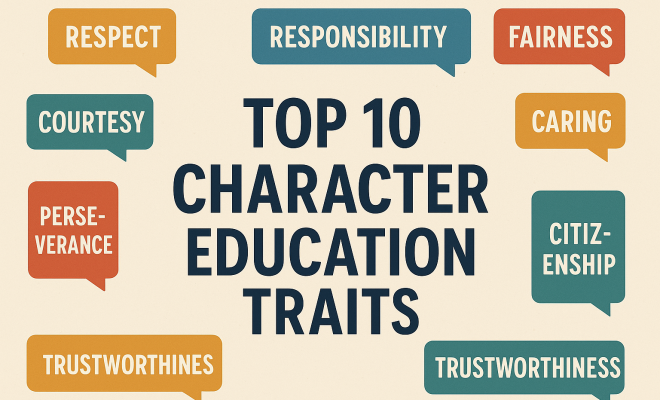
Top 10 Character Education Traits
“`html
Character education is essential in shaping young minds. It goes beyond academic success and delves into the moral and ethical development of students. By focusing on specific character education traits, educators can nurture students who are not only knowledgeable but also principled and responsible. This article explores the top ten character education traits that can significantly impact students’ lives, providing insights into their importance, practical applications, and current relevance.
1. Integrity: The Foundation of Character
Integrity is often considered the cornerstone of character education. It encompasses honesty, moral principles, and the courage to maintain one’s values even in challenging situations. Students with integrity are more likely to make ethical decisions and hold themselves accountable for their actions.
In a school setting, fostering integrity can involve teaching students the importance of truthfulness in both their academic work and personal relationships. This can be done through discussions about real-life scenarios where integrity is tested and by rewarding honest behavior. By nurturing integrity early on, educators set the stage for students to develop trustworthiness, which is fundamental in their future interactions.
2. Empathy: Understanding Others’ Perspectives
Empathy is the ability to understand and share the feelings of others. In today’s increasingly interconnected world, cultivating empathy among students is vital. Empathetic students are able to appreciate diverse perspectives, making them more effective communicators and collaborators.
To teach empathy, educators can incorporate role-playing exercises, group discussions, and community service projects that place students in others’ shoes. Schools can also promote literature and storytelling that highlight experiences from various backgrounds. By fostering empathy, educators can help students build strong relationships and contribute positively to their communities.
3. Respect: Valuing Others and Their Opinions
Respect is the recognition of the inherent value in every individual. It encourages students to appreciate differences in opinions, backgrounds, and cultures. A respectful environment promotes open dialogue and collaborative learning, essential for both academic and personal growth.
Classroom activities like setting ground rules for discussions and encouraging students to listen actively can instill respect. Celebrating cultural diversity through events or projects also reinforces the message that every voice matters. Students who learn respect are more likely to create inclusive environments, benefiting their peers and themselves.
4. Responsibility: Taking Ownership of Actions
Responsibility is about owning one’s actions and decisions. In the realm of education, it involves students being accountable for their schoolwork, behavior, and relationships. When students understand the importance of responsibility, they develop a sense of agency that translates to their future endeavors.
Teaching responsibility can involve assigning projects with deadlines and encouraging students to manage their time effectively. Incorporating discussions on the consequences of actions also helps students understand accountability. As they navigate responsibilities, students learn crucial life skills that prepare them for adulthood.
5. Perseverance: The Power of Not Giving Up
Perseverance is the determination to keep going despite obstacles or challenges. In an educational context, this trait is essential for overcoming academic difficulties and personal struggles. Students who demonstrate perseverance are more likely to achieve their goals and develop resilience.
Educators can cultivate perseverance by celebrating efforts over outcomes. Incorporating growth mindset principles, where students learn that abilities can improve with practice, is also effective. Sharing stories of famous figures who faced adversity and persisted can inspire students to embrace challenges and keep striving.
6. Fairness: Promoting Equity and Justice
Fairness is about treating everyone justly and ensuring that all voices are heard. In schools, fairness fosters an environment where students feel valued and empowered. It teaches them the importance of equity in their interactions and decisions, preparing them for their roles as future leaders. (See: U.S. Department of Education on Character Education.)
To instill fairness, educators should model equitable practices in the classroom. This includes fair assessment methods, equal opportunities for participation, and encouraging students to advocate for themselves and others. By prioritizing fairness, students learn to navigate conflicts and develop a strong moral compass.
7. Gratitude: Appreciating What We Have
Gratitude shifts focus from what is lacking to what is present and valuable. Teaching students to practice gratitude can enhance their overall well-being and foster a positive school culture. Grateful students tend to have better relationships and exhibit higher levels of happiness.
Incorporating gratitude into daily routines can be as simple as starting each class with a moment of reflection on things to be thankful for. Schools can also create programs that encourage students to express appreciation to peers, teachers, and community members. By fostering gratitude, educators help students cultivate a positive mindset that can greatly influence their lives.
8. Courage: The Strength to Stand Up
Courage is not just about physical bravery; it also involves the moral strength to do what is right, even when it’s difficult. In an educational environment, students need to develop the courage to voice their opinions, stand up against bullying, and pursue their passions passionately.
Schools can create a culture of courage by encouraging students to engage in discussions about controversial topics and stand up for their beliefs in respectful ways. Inviting guest speakers who exemplify courage can also inspire students to take action in their own lives. By nurturing courage, educators prepare students to face challenges with confidence.
9. Kindness: The Ripple Effect of Compassion
Kindness is the act of being friendly, generous, and considerate. It creates a positive atmosphere in schools and has a profound impact on student well-being. Kind students not only contribute to a supportive environment but also inspire others to act kindly.
To promote kindness, educators can implement programs that encourage random acts of kindness, such as writing thank-you notes or helping classmates. Celebrating Kindness Week or having a kindness challenge can further instill this trait in students. Ultimately, fostering kindness leads to stronger communities where everyone feels valued.
10. Collaboration: Working Together for Success
Collaboration is the ability to work effectively with others toward a common goal. In today’s diverse world, it is crucial for students to develop collaboration skills. Those who can collaborate well are better prepared for both their academic careers and the workforce.
To teach collaboration, group projects and cooperative learning strategies can be utilized. Encouraging students to take on different roles within a team helps them appreciate diverse skills and perspectives. By fostering collaboration, educators equip students with the tools necessary for success in all aspects of life.
The Importance of Character Education Traits
Character education traits are not just buzzwords; they are essential components of holistic education that prepare students for life beyond academics. In a rapidly changing world, the ability to navigate complex social landscapes, make ethical choices, and work alongside diverse individuals is more crucial than ever. Schools that prioritize character education cultivate environments where students feel safe, valued, and motivated to learn.
Statistics Supporting Character Education
Research shows that character education programs can have a significant impact on student outcomes. According to a study by the Character Education Partnership, schools that implement comprehensive character education programs report decreased behavioral problems, increased academic performance, and improved social skills.
- A 2011 study found that schools with character education programs saw a 12% increase in student attendance.
- Another study indicated a reduction in disciplinary referrals by 25% in schools that integrated character education into their curricula.
- Students participating in character education initiatives showed a 15% improvement in their ability to collaborate and communicate effectively.
These statistics highlight the profound impact that a focus on character traits can have on the overall well-being of students and the school environment.
Expert Perspectives on Character Education
Leading educators and psychologists emphasize the necessity of character education in shaping well-rounded individuals. Dr. Thomas Lickona, a prominent figure in character education, emphasizes that teaching character is as important as teaching academics. “We are educating hearts and minds,” he states, underscoring the need for educators to foster both intellectual and moral development.
Dr. Angela Duckworth, known for her research on grit, argues that character traits like perseverance and resilience are critical for long-term success. She believes that schools should integrate these traits into everyday learning experiences, allowing students to practice them in real-life contexts.
Practical Applications of Character Education
Implementing character education traits in the classroom can be done through various practical strategies. Here are some actionable ideas educators can use:
- Classroom Meetings: Regular meetings where students can discuss their thoughts on character traits and share personal experiences foster a culture of openness and growth.
- Service-Learning Projects: Engaging students in community service not only teaches responsibility and empathy but also shows the impact of their actions on others.
- Character Journals: Encourage students to maintain journals where they reflect on their daily actions and how they align with the character traits being taught.
- Role Models: Invite community leaders or alumni to speak about how character education has influenced their lives, providing students with relatable examples.
The Role of Parents and Community in Character Education
Character education does not only take place within school walls; it involves a partnership between schools, families, and the community. Parents play a crucial role in reinforcing the character traits taught at school.
One effective approach is to involve parents in character education programs. Schools can host workshops or provide resources for parents to understand the importance of character traits and how they can model them at home. Community organizations can also step in by partnering with schools to provide additional resources, mentorships, and workshops aimed at fostering character development.
Challenges in Implementing Character Education
While the benefits of character education are clear, several challenges can arise during implementation. These include resistance from parents who may prioritize academic achievement over moral education, a lack of training for teachers on how to effectively integrate character education into existing curricula, and the potential for inconsistency in how traits are taught across different classrooms.
Addressing these challenges requires a coordinated effort. Schools need to provide professional development for educators, involve parents in discussions about the value of character education, and create a consistent framework that allows every teacher to integrate these principles effectively.
Expanding the Scope of Character Education
Character education can be expanded beyond traditional classroom settings. Schools can collaborate with local organizations to create programs that extend character education into various extracurricular activities. For instance, sports teams can emphasize teamwork, respect, and responsibility, while clubs can foster leadership and community service. This holistic approach ensures that character traits are reinforced in multiple contexts, making it easier for students to internalize and apply these values in their everyday lives.
Global Perspectives on Character Education
Character education is not limited to one culture or region; it can be found in various forms across the globe. Countries like Japan have long integrated moral education into their curriculum, emphasizing respect, diligence, and community involvement. Similarly, Finland’s education system stresses the importance of social and emotional skills alongside academic learning, promoting a balanced approach to education.
By studying global perspectives on character education, educators can adopt best practices that resonate within their own cultural contexts. This not only enriches the educational experience but also prepares students to navigate a diverse world with compassion and understanding.
Measuring the Impact of Character Education
To assess the effectiveness of character education initiatives, schools can implement various evaluation methods. Surveys and feedback mechanisms can be employed to gauge students’ understanding and application of character traits. Additionally, observing changes in classroom dynamics, school culture, and student behavior can provide qualitative insights into the impact of character education.
Longitudinal studies can also be beneficial. Tracking students over time can reveal how character education influences their academic performance, relationships, and overall life success. This data can help schools refine their character education programs, ensuring they meet the needs of their students effectively.
Character Education in Digital Spaces
In an increasingly digital world, character education must extend into online environments as well. Teaching students about digital citizenship, online etiquette, and the importance of empathy in virtual interactions is essential. Schools can create online platforms where students can engage in discussions about character traits and share experiences related to both in-person and digital interactions.
By addressing character education in digital spaces, educators can prepare students to navigate the complexities of online communication responsibly while promoting a culture of respect and kindness across all platforms.
FAQ About Character Education Traits
What are character education traits?
Character education traits are qualities that help shape an individual’s moral and ethical behavior. Common traits include integrity, empathy, respect, responsibility, perseverance, fairness, gratitude, courage, kindness, and collaboration.
Why is character education important?
Character education is important because it helps students develop essential life skills that influence their behavior, relationships, and decision-making. It prepares them for challenges beyond academics and fosters a positive school culture.
How can schools implement character education effectively?
Schools can implement character education by integrating it into the curriculum through lessons, discussions, and activities focused on character traits. Creating a supportive environment where these traits are modeled and practiced daily is also crucial.
What role do parents play in character education?
Parents play a vital role by reinforcing the character traits taught in school at home. They can model these traits, engage in discussions about their importance, and participate in school activities that promote character education.
Can character education improve academic performance?
Yes, character education can improve academic performance. Students who practice character traits such as responsibility and perseverance are more likely to stay engaged and motivated in their studies, leading to better academic outcomes.
Incorporating these character education traits into school curricula not only prepares students academically but also shapes them into well-rounded individuals. As society faces complex challenges, nurturing these traits in the next generation is more crucial than ever. By prioritizing character education, we can foster a generation that values integrity, empathy, and responsibility—traits that are essential for a better future.
“`
Trending Now
Frequently Asked Questions
What are the key traits of character education?
The key traits of character education include integrity, empathy, respect, responsibility, fairness, caring, citizenship, perseverance, self-discipline, and gratitude. These traits are essential in shaping students' moral and ethical development, helping them become principled individuals who contribute positively to society.
How can integrity be taught in schools?
Integrity can be taught in schools through discussions about honesty, moral principles, and real-life scenarios where integrity is tested. Educators can reward honest behavior and create an environment that encourages students to hold themselves accountable, fostering trustworthiness and ethical decision-making.
Why is empathy important in character education?
Empathy is crucial in character education as it helps students understand and share the feelings of others. This trait promotes effective communication and collaboration, enabling students to appreciate diverse perspectives and build strong relationships, which are essential skills in today's interconnected world.
What activities can promote empathy among students?
Activities that can promote empathy include role-playing exercises, group discussions, and community service projects. Additionally, incorporating literature and storytelling that showcase diverse experiences can help students understand different perspectives and foster a culture of empathy in the classroom.
How does character education impact students' lives?
Character education significantly impacts students' lives by equipping them with essential moral and ethical traits. It helps them make better decisions, build strong relationships, and become responsible citizens. By focusing on character development, educators prepare students for future challenges both personally and professionally.
Have you experienced this yourself? We’d love to hear your story in the comments.