The Shocking Comeback: SpaceX CAS500-2 Mission Finally Takes Flight After Years of Delays!
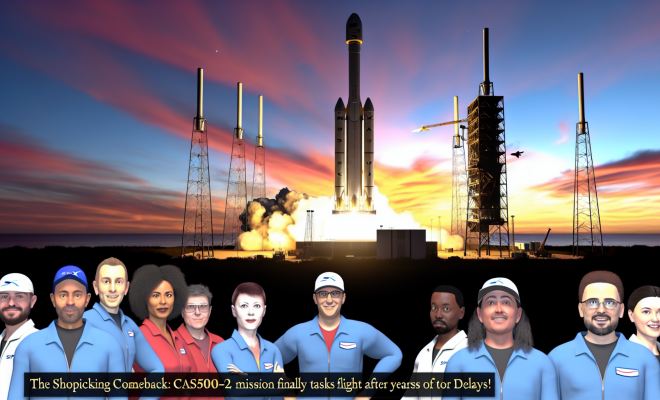
The SpaceX CAS500-2 mission has officially launched, marking a significant milestone in the realm of space services after years of frustrating delays. This mission, which successfully deployed the CAS500-2 disaster monitoring satellite into orbit, showcases not only the capabilities of SpaceX but also its dominance in the reusable rocket market. The Falcon 9 rocket, known for its reliability and efficiency, continues to set new standards in satellite deployment, positioning SpaceX at the forefront of aerospace innovation.
Overcoming Challenges: The Journey to Launch
The CAS500-2 mission faced numerous setbacks over the years, primarily due to technical challenges and funding issues that plagued its development. Initially slated for launch several years ago, the project was marred by a series of delays that left many wondering if it would ever see the light of day. However, through the tireless efforts of SpaceX engineers and the dedicated CAS500-2 team, the satellite finally achieved its long-awaited orbit insertion.
The Role of SpaceX in Global Disaster Monitoring
With the successful launch of the CAS500-2 satellite, the capabilities of global disaster monitoring have received a substantial boost. This satellite is designed to assist in various critical functions, including:
- Disaster Response: The CAS500-2 will aid in assessing damage from natural disasters like hurricanes, floods, and wildfires, enabling quicker, more effective responses.
- Environmental Monitoring: The satellite will provide valuable data regarding land use, vegetation cover, and other ecological factors, helping to monitor climate change impacts.
- Urban Planning: By offering high-resolution imagery, the CAS500-2 will support urban development initiatives and infrastructure planning.
This mission not only underscores the technological advancements made by SpaceX but also illustrates the importance of satellite technology in enhancing safety and sustainability on Earth.
SpaceX’s Dominance in the Space Arena
SpaceX has emerged as a leader in the aerospace industry, particularly in the field of reusable rocket technology. The Falcon 9 rocket is a testament to their innovative approach:
- Cost Efficiency: The reusability of the Falcon 9 significantly reduces the costs associated with launching payloads into space, allowing for more frequent launches at lower prices.
- Reliability: SpaceX has cultivated a reputation for reliability, with a successful launch track record that instills confidence in both commercial and governmental clients.
- Scalability: The company has developed a scalable launch system capable of carrying multiple satellites in a single mission, as evidenced by the deployment of 44 satellites alongside the CAS500-2.
The SpaceX CAS500-2 mission exemplifies these strengths, as the spacecraft lifted off with a full payload, highlighting the company’s capability to handle complex missions.
FOMO and the Viral Hype Surrounding the Launch
As the launch approached, excitement surrounding the SpaceX CAS500-2 mission reached a fever pitch. Social media buzzed with anticipation, fueled by live footage, memes, and the ever-charismatic presence of Elon Musk. The phenomenon of Fear of Missing Out (FOMO) played a significant role in generating interest, as spectators tuned in to watch the event unfold in real time.
With thousands of viewers engaging with the launch online, the excitement surrounding the CAS500-2 mission became a viral sensation. The hashtag #SpaceXSavingTheDay trended as users shared clips of the Falcon 9 rocket launching and provided updates on the mission’s progress.
Key Figures Behind the Success
The successful launch of the CAS500-2 satellite was not just the result of technology; it was also a product of teamwork and collaboration among key stakeholders:
- SpaceX Engineers: The team behind the Falcon 9 rocket worked diligently to ensure that every aspect of the launch was meticulously planned and executed.
- CAS500-2 Development Team: Comprising scientists, engineers, and project managers, this team navigated the complexities of satellite design and operational readiness.
- International Partners: Collaborations with global organizations and governments ensured that the satellite was equipped with the necessary technology to fulfill its mission.
This collaboration illustrates the growing trend of international cooperation in space exploration, as various entities come together to advance technology for the greater good.
The Future of Satellite Technology and Space Exploration
The successful deployment of the CAS500-2 satellite signifies much more than just a single mission; it represents the future of satellite technology and its potential impact on everyday life. As more countries and organizations invest in satellite technology, we can expect to see:
- Increased Accessibility: With advancements in technology, satellite communication, and monitoring services will become more accessible to developing nations.
- Enhanced Global Connectivity: More satellites in orbit can facilitate better communication networks, boosting connectivity in remote areas.
- Innovative Applications: The data collected by satellites can lead to new applications in various fields, including agriculture, transportation, and disaster management.
The SpaceX CAS500-2 mission is a stepping stone towards realizing these future advancements, paving the way for further innovations in space technology.
Conclusion: A New Chapter in Space Endeavors
The launch of the CAS500-2 satellite is a testament to the resilience of the teams involved and the technological prowess of SpaceX. With this successful mission, we are reminded of the extraordinary possibilities that space exploration offers and its increasing relevance to our lives on Earth. As we continue to witness these exciting developments, one can only wonder what future missions will bring.
In a world where the stakes are high and the challenges persist, the SpaceX CAS500-2 mission serves as a beacon of hope, demonstrating that through collaboration and innovation, even the most daunting obstacles can be overcome.