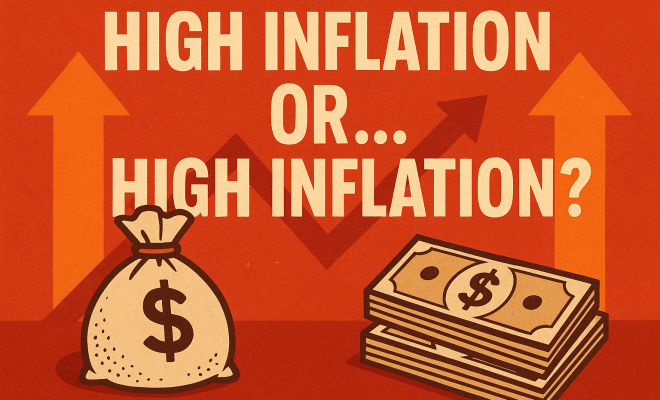
High inflation or … high inflation?
“`html
Is High Inflation Here to Stay? Unpacking the Confusion and Consumer Fear
In recent months, the phrase high inflation has echoed through news headlines, social media feeds, and our daily conversations. While official economic reports hint at a return to stability, the reality for many consumers paints a starkly different picture. Prices seem to keep climbing, and the fear surrounding household budgets is palpable. But why is this discrepancy occurring? Let’s explore the complex and sometimes contradictory nature of inflation, the psychological effects it has on consumers, and how this economic reality is reshaping our financial decisions.
1. Understanding Inflation: The Basics
Before we dive into the current situation, it’s essential to understand what inflation actually is. At its core, inflation measures the rate at which the general level of prices for goods and services rises, eroding purchasing power. The Consumer Price Index (CPI) is a common gauge used to measure inflation, reflecting the price changes of a basket of goods over time. When inflation is low, consumers can buy more with their money; when it’s high, their dollars don’t stretch as far.
Inflation can be influenced by numerous factors, including demand-pull inflation (where demand exceeds supply), cost-push inflation (rising costs of production), and built-in inflation (where businesses increase prices in anticipation of future inflation). In today’s economy, we are witnessing elements of all three, which complicates the overall picture.
2. The Current State of High Inflation
As of June 2026, conflicting data about inflation is making it hard for consumers to discern reality from perception. While official reports may suggest that inflation is stabilizing, the everyday experience of many suggests otherwise. Prices for essential goods and services, such as groceries, gasoline, and housing, continue to rise sharply. This disparity is causing anxiety and confusion among consumers, who are left to wonder which narrative to believe.
Economists note that while some metrics indicate a cooling off in inflation rates, various sectors still exhibit troubling price increases. This situation can create a “high inflation trap,” where consumer fear feeds into actual economic behavior, leading to further inflationary pressures. The ongoing debate among economists about whether this is a transitory phase or a longer-lasting phenomenon only adds to the public’s uncertainty.
3. Consumer Reactions and Social Media Buzz
In an age of instant communication, social media platforms have become a breeding ground for consumer sentiments related to rising prices. As inflationary pressures build, many are sharing their experiences and advice online, creating a sense of community around financial anxieties. Posts about rising grocery bills or skyrocketing gas prices often go viral, reflecting the urgency many feel regarding their financial well-being.
This digital dialogue not only validates individual experiences but also amplifies fears. Platforms like Twitter, TikTok, and Facebook have become places where personal finance strategies are exchanged, revealing a growing public interest in financial literacy amid economic uncertainty. Consumers are seeking out tips and tricks to combat high inflation, creating a collective approach to managing financial strains.
4. The Role of Policy Interventions
Governments and central banks frequently implement policies aimed at controlling inflation, such as adjusting interest rates and modifying fiscal policies. However, the effectiveness of these measures can vary greatly depending on the economic environment. In many cases, the policies intended to stabilize the economy can inadvertently lead to unintended consequences, such as increased consumer prices.
For instance, in response to rising inflation, central banks may raise interest rates to cool off demand. However, this can lead to increased borrowing costs for consumers and businesses, potentially slowing economic growth. The debate on whether current policies are effective in curbing inflation continues, with some experts arguing that a more proactive approach is required to address the underlying issues driving prices up.
5. Fear of Missing Out on Financial Protection
The fear of missing out (FOMO) on financial protection strategies is becoming increasingly pronounced. As consumers witness prices rising, there’s a growing urgency to adopt measures that could shield them from the effects of high inflation. This includes investing in assets that historically perform well during inflationary periods, such as real estate or commodities, as well as diversifying investment portfolios.
Moreover, many are turning to personal finance advice from influencers, financial advisors, or even peers to find the best strategies for their situations. This surge in demand for financial advice has led to a boom in resources, but it can also result in misinformation or ill-informed decisions. Navigating the wealth of information available while distinguishing between sound advice and misleading claims is a challenge consumers are grappling with. (See: Consumer Price Index (CPI) information.)
6. Long-Term Implications of High Inflation
The long-term implications of sustained high inflation can be severe, affecting everything from consumer spending power to overall economic growth. If inflation remains elevated, households may find themselves having to make tough choices about spending, potentially leading to decreased consumption, which in turn can slow economic recovery.
Furthermore, long-term inflation can erode savings, particularly if interest rates on savings accounts do not keep pace with rising prices. This could lead to a generation of savers feeling increasingly insecure about their financial futures, as their savings lose value over time. As a result, it becomes critical for policymakers to address the root causes of inflation while also ensuring that consumers have the tools and resources needed to weather economic uncertainty.
7. Strategies for Consumers in an Inflationary Environment
So, what can consumers do to protect themselves from the ongoing effects of high inflation? First and foremost, it’s vital to monitor spending closely. Keeping a budget can help identify areas where costs are creeping up and allow for adjustments in spending to mitigate the impact of rising prices.
Additionally, investing in inflation-resistant assets can be a strategic move. Real estate, Treasury Inflation-Protected Securities (TIPS), and certain commodities can serve as hedges against inflation. It’s also wise to consider adjusting investment strategies to account for the current economic environment, seeking the advice of financial professionals when necessary.
Lastly, cultivating a mindset of adaptability is crucial. As we navigate the complexities of inflation, being open to reassessing financial goals and strategies can be beneficial. Flexibility in financial planning can help consumers thrive even amid economic uncertainty.
8. Frequently Asked Questions (FAQ) about High Inflation
What causes high inflation?
High inflation can occur due to a variety of factors. Demand-pull inflation happens when demand for goods and services exceeds supply. Cost-push inflation arises when production costs, such as wages and raw materials, increase, prompting businesses to raise prices. Additionally, external factors like geopolitical events or natural disasters can disrupt supply chains and contribute to inflationary pressures.
How can I protect my savings from inflation?
To safeguard your savings from inflation, consider investing in assets that typically outpace inflation, such as stocks, real estate, or commodities. Another strategy is investing in TIPS, which are designed to increase in value with inflation. Additionally, maintaining a diversified investment portfolio can help mitigate risks associated with inflation.
Will high inflation continue for the long term?
The long-term trajectory of high inflation remains uncertain. Various economic indicators and external factors, such as changes in government policy, global supply chain shifts, and consumer behavior, will influence how inflation trends develop. Keeping informed about economic conditions and expert analyses can provide better insights into future inflation expectations.
How does high inflation impact everyday consumers?
High inflation erodes purchasing power, meaning consumers can buy less with the same amount of money. This impacts essential goods and services, leading to tougher decisions about spending. Consumers may find themselves needing to adjust their budgets, prioritize necessities over luxuries, and seek alternatives to maintain their financial balance.
What can governments do to control inflation?
Governments can implement various monetary and fiscal policies to control inflation. This might include raising interest rates to reduce borrowing and spending, adjusting taxes, or controlling the money supply. Strategic investment in infrastructure and innovation can also help boost productivity, which may alleviate inflationary pressures in the long run.
9. Global Perspectives on High Inflation
High inflation is not just a phenomenon restricted to one country; rather, it presents a global challenge. Countries worldwide are experiencing varying degrees of inflation, each influenced by unique local and global factors. For instance, emerging markets may face higher inflation rates due to currency depreciation and import costs, while developed nations might grapple with inflation stemming from post-pandemic recovery strategies and supply chain disruptions.
In Europe, inflation has been driven in part by rising energy prices and the ongoing conflict in Ukraine, which has affected gas supplies. In Asia, countries like India and Indonesia have seen inflationary pressures from a combination of supply chain issues and increased demand. This international landscape makes it clear that understanding inflation requires a global perspective, as interconnected economies influence one another.
International organizations, such as the International Monetary Fund (IMF) and the World Bank, continue to monitor these trends and provide guidance to nations on managing inflation effectively. Their insights can be crucial for policymakers as they navigate the complexities of high inflation in an increasingly interconnected world. (See: Recent trends in inflation.)
10. Consumer Financial Education and Resources
In an era where high inflation is a pressing concern, consumer financial education has never been more critical. Many organizations and platforms offer resources aimed at enhancing financial literacy. From budgeting apps to online courses, consumers have access to a wealth of information to help them make informed decisions.
Additionally, community initiatives and workshops can empower individuals with the knowledge and tools needed to navigate inflation effectively. Schools and universities are also beginning to incorporate personal finance education into their curriculums, understanding the importance of preparing young individuals for real-world financial challenges.
Engaging with financial advisors, attending seminars, and participating in online forums can also provide valuable insights into managing finances during periods of high inflation. As consumers become more educated about financial concepts, they will be better equipped to take proactive measures against the negative impacts of inflation.
11. The Psychological Impact of High Inflation
The psychological effects of high inflation can be just as impactful as the economic implications. The constant worry about rising prices can lead to stress, anxiety, and even depression. Many individuals may find themselves in a state of financial insecurity, questioning their ability to meet daily living expenses and save for the future.
This stress can manifest in various ways, affecting interpersonal relationships and overall mental health. People may become more risk-averse in their spending, opting to save rather than invest or spend, which can further stagnate economic growth. Recognizing and addressing these psychological impacts is crucial for both individuals and policymakers. Programs that offer financial counseling and mental health support can aid in alleviating some of the burdens associated with financial stress.
12. The Role of Supply Chain Disruptions in High Inflation
Supply chain disruptions have become a significant contributor to the phenomenon of high inflation in recent times. The COVID-19 pandemic highlighted vulnerabilities in global supply chains, with lockdowns and restrictions causing delays and shortages across multiple sectors. This resulted in increased costs for businesses, which were often passed down to consumers in the form of higher prices.
Moreover, geopolitical factors, such as trade disputes and conflicts, can exacerbate these issues. For instance, the ongoing war in Ukraine has severely affected grain supplies, leading to skyrocketing food prices not only in Europe but worldwide. Similarly, the semiconductor chip shortage has impacted various industries, particularly automotive and electronics, causing production slowdowns and increased prices.
As companies invest in improving their supply chain resilience to withstand future shocks, consumers may need to be prepared for continued price fluctuations. Understanding the root causes of supply chain disruptions gives consumers insight into why certain prices are rising and can help them make informed decisions about their purchases.
13. Comparing Inflation Across Regions
Different regions are experiencing high inflation in varied ways, influenced by local economic conditions, government policies, and external factors. For instance, the United States has seen inflation driven by increased consumer demand as the economy reopened post-pandemic, while certain European countries have faced inflation due to energy supply constraints.
According to the OECD, as of mid-2026, inflation rates in the US were averaging around 5.4%, whereas some countries in the Eurozone reported rates exceeding 7%. In contrast, developing nations like Argentina and Turkey have been grappling with hyperinflation, leading to extreme price instability and severe impacts on living conditions.
This comparison underscores the importance of understanding the local context regarding inflation. Consumers in different areas may need to adopt tailored strategies to cope with rising prices based on their specific economic landscape.
14. The Future of Inflation: What Experts Predict
Economists and financial analysts are divided on the future trajectory of inflation. Some predict that inflation will gradually ease as supply chain issues resolve and consumer demand stabilizes. However, others warn that structural issues, such as labor shortages and rising production costs, could contribute to sustained high inflation rates.
In a recent survey conducted by the National Association for Business Economics (NABE), nearly 60% of economists expected inflation to remain elevated over the next two years, while a smaller group believed it would return to more manageable levels. The uncertainty surrounding inflation means that consumers must stay vigilant and adaptable as they navigate their financial choices.
Being aware of expert predictions can help consumers plan for potential changes in the economic landscape and adjust their financial strategies accordingly. Keeping informed through reputable economic reports and analyses will provide essential context during these unpredictable times.
15. Building Resilience Against High Inflation
Resilience is key for consumers facing high inflation. Developing a robust financial plan that includes emergency savings, diversified investments, and adaptable spending habits can help individuals weather the storm. It’s also vital to remain proactive in seeking financial education and staying informed about economic developments.
Furthermore, consumers should focus on their career development and skills training to enhance their employability and income potential. As the labor market evolves, being equipped with in-demand skills can provide greater job security and the ability to negotiate better compensation in an inflationary environment.
Ultimately, resilience against high inflation isn’t just about surviving; it’s about thriving even when faced with economic challenges. By taking decisive actions and remaining adaptable, consumers can navigate the complexities of inflation with greater confidence and security.
In the end, while the current state of inflation may seem daunting, staying proactive and informed can help consumers navigate these turbulent times. The landscape may be fraught with challenges, but with the right tools and knowledge, individuals can take charge of their financial destinies, regardless of how the inflation narrative unfolds.
“`
Trending Now
Frequently Asked Questions
What causes high inflation?
High inflation can be caused by a variety of factors, including demand-pull inflation, where demand exceeds supply, cost-push inflation due to rising production costs, and built-in inflation where businesses raise prices in anticipation of future inflation. These elements often interplay, creating a complex economic landscape.
Is high inflation temporary or permanent?
The permanence of high inflation is debated among economists. While some reports suggest stabilization, many consumers continue to experience rising prices, indicating that the effects of inflation may persist longer than anticipated. The current economic environment reflects a mix of factors that complicate this outlook.
How does inflation affect consumers?
Inflation erodes purchasing power, meaning consumers can buy less with their money as prices rise. This can lead to increased fear and anxiety about household budgets, influencing financial decisions and spending behavior as people adjust to the changing economic conditions.
What is the Consumer Price Index (CPI)?
The Consumer Price Index (CPI) is a commonly used measure of inflation that tracks the price changes of a basket of goods and services over time. It reflects how much prices have increased or decreased, providing insight into the cost of living and purchasing power.
How can I cope with high inflation?
To cope with high inflation, consumers can adjust their budgets, prioritize essential purchases, and seek ways to increase their income. Additionally, being informed about economic trends can help individuals make better financial decisions during periods of rising prices.
Have you experienced this yourself? We’d love to hear your story in the comments.