Preventing Tragic Heatstroke Deaths in Children This Summer
“`html
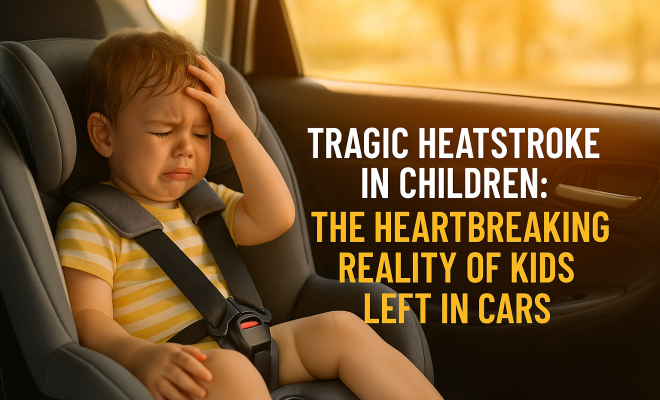
As summer heats up, parents often find themselves navigating a maze of outdoor activities, vacations, and family gatherings. However, the story of a tragic incident in France serves as a chilling reminder of the hidden dangers that come with rising temperatures. A three-year-old boy lost his life after climbing into an unlocked car while out of his parents’ sight during a severe heatwave. This heartbreaking incident has raised critical questions about parental vigilance and vehicle safety, especially regarding the ever-present risk of heatstroke in children.
The Incident That Shook a Community
On a seemingly ordinary day in Carpentras, France, a three-year-old boy’s tragic fate unfolded. While enjoying a day out with his family, he wandered away and found his way into an unattended vehicle. The sweltering heat of the summer contributed to a rapidly rising temperature inside the car, leading to a devastating outcome. The child’s mother, who was later hospitalized in shock, faced a nightmare that no parent should ever have to endure.
In addition to this tragedy, two other children also succumbed to heat-related incidents in Carpentras, illuminating a harrowing pattern of fatalities linked to heatstroke in children during extreme weather. These incidents are not isolated; instead, they are part of a broader issue that has seen an alarming increase in heat-related deaths, particularly among young children left unattended in vehicles.
Understanding Heatstroke in Children
Heatstroke occurs when the body becomes unable to regulate its temperature, leading to a rise in internal body temperature that can result in serious health complications or death. Children are particularly vulnerable, as their bodies heat up three to five times faster than adults. With their smaller size and immature thermoregulation systems, they can easily succumb to extreme heat.
As temperatures soar, the inside of a car can become a furnace within minutes. According to the National Highway Traffic Safety Administration (NHTSA), the temperature inside a vehicle can rise by 20 degrees Fahrenheit in just 10 minutes, even on a seemingly mild day. In scorching heat, this can quickly become a death trap for unsuspecting children.
The Heart-Wrenching Statistics
Data from various health organizations reveal that on average, 38 children die each year in the United States from heat-related incidents after being left in vehicles. This statistic serves as an urgent call to action for parents everywhere. The emotional weight of these numbers cannot be overstated — each one represents a family shattered by an avoidable tragedy.
The feelings of guilt and despair often experienced by parents in these situations are immeasurable. It’s crucial to understand that these events are not merely accidents; they reflect deeper issues relating to awareness, vigilance, and the sometimes overwhelming demands of parenting.
The Emotional Toll on Families
The emotional ramifications of losing a child to heatstroke in a vehicle extend far beyond the immediate tragedy. Families are left to grapple with feelings of shame, blame, and the profound grief of what could have been. In many cases, these parents did not intend for anything tragic to occur; rather, they were caught off guard by a momentary lapse in vigilance.
Support networks and counseling resources can be instrumental in helping families cope with the aftermath of such incidents. Many organizations work tirelessly to provide emotional support to those affected, fostering a sense of community and understanding in the face of unimaginable heartbreak.
Addressing the Safety Concerns
As parents, it’s vital to engage in proactive practices that can significantly reduce the risk of heatstroke in children. Awareness and education are key components in preventing these tragedies. Here are some actionable steps to consider:
- Always check the back seat: Make it a habit to look in the back seats of your vehicle before locking up and leaving.
- Utilize reminders: Leave a personal item, such as your phone or wallet, in the back seat to remind you to check before leaving the car.
- Educate your children: Teach your kids about the dangers of getting into a car alone and the importance of staying near you.
- Install alerts: Consider technology designed to alert you if a child is left in the car.
These small but impactful changes can make a world of difference in ensuring children’s safety. The goal is to foster a culture of awareness, where checking the back seat becomes as routine as buckling seatbelts. (See: CDC on extreme heat warnings.)
Community Involvement and Advocacy
Community involvement is another crucial aspect of mitigating the risk of heatstroke in children. Local organizations, schools, and law enforcement agencies can collaborate to educate families about the dangers of leaving children in vehicles. Awareness campaigns can help spread the word, using social media, workshops, and community events to target parents and caregivers.
Additionally, crafting local laws and regulations that enhance vehicle safety features could be instrumental in preventing tragic incidents. For example, advocating for mandatory alerts in vehicles when a child is detected in the back seat can save lives.
The Role of Law Enforcement and First Responders
First responders play a vital role in addressing heatstroke incidents. When called to the scene of a child left in a vehicle, their primary goal is to act quickly and effectively. This might include breaking windows to gain access to the child or performing immediate medical interventions.
In the aftermath, these professionals are often tasked with educating the public about preventing such incidents. Many police departments engage in outreach programs, teaching parents about the signs of heatstroke and the importance of vigilance. These efforts can create a ripple effect, spreading awareness throughout the community.
Lessons from the Tragedy
The heartbreaking incident in France serves as a stark reminder of the fragility of life and the critical importance of vigilance. It emphasizes that safety is often in the details — small actions taken consistently can have immense consequences. The fear of something so devastating happening to your family can be overwhelming, but it’s essential to channel that energy into proactive measures.
In this emotionally charged environment, it’s easy to focus on blame and guilt. However, the goal should be collective action and awareness. By sharing these tragic stories and educating each other on preventive measures, we can work towards a world where no parent has to endure the pain of losing a child to heatstroke in a car.
Looking Forward: Creating a Safer Future
Our ultimate aim should be to ensure every child is safe from the dangers of heatstroke in vehicles. This includes advocating for better vehicle designs, implementing effective public health campaigns, and supporting families in building safe habits. As parents, caregivers, and community members, it’s our responsibility to remain vigilant and prioritize the safety of the children in our care.
As we move through the heat of summer, let’s remember the importance of staying informed and prepared. Tragedies can be prevented with awareness and proactive strategies. Let’s work together to create a future where no child is left in a car alone, free from the threat of heatstroke.
A Call to Action
Take a moment to share this information with fellow parents, family members, and friends. The more we talk about it, the more likely we are to prevent tragic incidents related to heatstroke in children. Start conversations about vehicle safety, establish community initiatives to raise awareness, and engage with local organizations focused on child safety.
Each one of us has a role to play in this collective effort to protect our children. Let’s rise to the occasion, ensuring that the heartbreaking stories we hear become catalysts for change rather than just tragic headlines. Together, we can make a difference.
Heatstroke Symptoms: What Parents Should Know
Recognizing the signs of heatstroke is crucial. Symptoms can escalate rapidly and vary by individual. Common indicators include:
- High body temperature (104°F or higher)
- Altered mental state or confusion
- Rapid pulse or heart rate
- Headache and dizziness
- Nausea or vomiting
- Skin that is hot and dry, as the body loses the ability to sweat
If you suspect a child is suffering from heatstroke, it’s vital to act immediately. Call emergency services, and while waiting for help, move the child to a cooler place, remove excess clothing, and apply cool, wet cloths to their skin. Keeping them hydrated with cool fluids can also help, but it’s essential to avoid giving them anything if they are unconscious or unable to swallow.
Statistics Behind Heatstroke Incidents
Understanding the scope of the threat posed by heatstroke can help parents stay vigilant. A report from the National Safety Council found that since 1998, more than 900 children have died from heatstroke in vehicles. The majority of these fatalities occur when children are accidentally left behind in cars, often during the summer months when temperatures are highest. (See: NIH on heat stroke information.)
In 2019 alone, 53 children died from heatstroke in vehicles in the United States, according to the National Highway Traffic Safety Administration. The number is a stark reminder that these incidents can occur in any family, regardless of vigilance. Additionally, nearly 40% of such tragic incidents involve children under the age of one, underscoring the need for heightened awareness among caregivers.
Expert Perspectives on Prevention
Experts in child safety and pediatric medicine emphasize the importance of education and awareness in preventing heatstroke. Dr. Sarah Johnson, a pediatrician, states, “Parents often underestimate how quickly a car can heat up and how vulnerable children are to these conditions. It’s critical to establish safe habits and be mindful of the risks, especially during peak heat hours.”
Additionally, organizations like Safe Kids Worldwide advocate for public awareness campaigns and community education to highlight the dangers of leaving children unattended in vehicles. Their studies show that educating parents and caregivers can significantly reduce the incidence of heat-related tragedies.
Creating a Comprehensive Strategy for Safety
To truly combat the risk of heatstroke in children, a multi-faceted approach is necessary. Here are additional strategies to consider:
- Community Education Programs: Schools and community centers can host workshops to educate families about the signs of heat-related illnesses and the importance of checking vehicles.
- Collaboration with Local Businesses: Businesses can display signage in parking lots reminding parents to check their cars before leaving.
- Legislation for Vehicle Safety: Advocating for laws that require manufacturers to install technology that alerts drivers when a child is left in a vehicle can have a significant impact on prevention.
- School Drop-off Policies: Schools can implement policies that ensure children are supervised during drop-off and pick-up times, helping to avoid unintentional separations from parents.
Frequently Asked Questions about Heatstroke in Children
What is heatstroke and how does it differ from heat exhaustion?
Heatstroke is a severe and potentially life-threatening condition that occurs when the body overheats, typically due to prolonged exposure to or physical exertion in high temperatures. Heat exhaustion is less severe but can lead to heatstroke if not addressed. Symptoms of heat exhaustion include heavy sweating, weakness, and dizziness.
How long can a child be left alone in a car before heatstroke becomes a risk?
Even on mild days, the temperature inside a car can rise quickly. Studies have shown that a car can reach dangerous temperatures in less than 10 minutes. Therefore, no child should ever be left unattended in a vehicle, even for a short period.
Are certain children more at risk for heatstroke?
Yes, children under four years old are at a higher risk due to their developing bodies and inability to cool themselves effectively. Additionally, children with certain medical conditions or those who are on medications that affect their body’s ability to regulate temperature may also be more susceptible.
What should I do if I see a child left in a car?
If you see a child alone in a vehicle, assess the situation. If the child appears to be in distress or if the temperature is high, call emergency services immediately. If it’s safe to do so, attempt to locate the parent or guardian while waiting for help.
How can technology help prevent heatstroke in children?
Various technologies are available, such as car seats that alert parents if a child is left in the back seat, or phone apps that remind caregivers to check for children in vehicles. These solutions provide additional layers of safety that can help prevent tragedies.
What should I do if my child shows symptoms of heatstroke?
Act quickly! Move your child to a cooler area, call emergency services, and attempt to cool them down with wet cloths or cold packs. Do not give them fluids if they are unconscious or unable to swallow. (See: WHO facts on heatwaves and health.)
What Are the Long-Term Effects of Heatstroke in Children?
Survivors of heatstroke can sometimes experience long-term health implications. These can include neurological damage, organ dysfunction, or problems with regulating body temperature in the future. Understanding these potential outcomes can help parents and caregivers be vigilant about the health of a child who has experienced heatstroke.
Recognizing Vulnerable Populations
It’s important to recognize that certain groups of children may be more vulnerable to heatstroke. Children with pre-existing health conditions, such as asthma or heart disease, may have a lower tolerance for heat. Furthermore, children with disabilities might not be able to communicate their discomfort or understand the risks of being left in a hot vehicle.
Creating targeted educational programs for caregivers of these vulnerable groups can ensure that they are equipped with the knowledge to prevent heat-related incidents.
How Can Schools Contribute to Heatstroke Prevention?
Schools play a vital role in heatstroke prevention by educating children about the importance of heat safety and awareness. Incorporating lessons about hydration, recognizing symptoms of heat stress, and the dangers of enclosed spaces can empower children to advocate for themselves and others.
Outdoor activities should also be monitored closely during extreme heat. Schools should implement policies that limit outdoor time during high temperatures, ensuring that children have access to plenty of water and shaded areas.
Community Initiatives and Resources
Many communities are beginning to take proactive measures to combat heatstroke. Initiatives like “Safe Kids Day” or “Heat Safety Awareness Month” can be effective in raising awareness. By partnering with local businesses, schools, and healthcare providers, community leaders can create a network of resources to educate families about heat safety.
Additionally, flyers, social media campaigns, and local radio spots can be used to spread the message far and wide, targeting not just parents but all caregivers and community members.
Conclusion: Awareness is Key
Heatstroke in children is a serious issue that requires ongoing awareness and proactive measures. By educating ourselves and others, we can help protect the youngest members of our communities from this preventable tragedy. Let’s work together to ensure that all children are safe, especially during the sweltering summer months.
“`
Trending Now
- “What is Parallel Play and is it Normal for My Toddler?”
- “Parallel Play Activities for 2 Year…
- this guide on “building hand-eye coordination through ball skills and catching activities”
- read the full story
- this guide on “creating environments that support parallel play in toddler classrooms”
Frequently Asked Questions
What are the dangers of leaving children in cars during hot weather?
Leaving children in cars during hot weather can lead to heatstroke, as the internal temperature can rise rapidly. Children are particularly vulnerable because their bodies heat up faster than adults, increasing the risk of serious health complications or death.
How quickly can a car heat up in the summer?
A car can heat up by 20 degrees Fahrenheit or more within just 10 minutes on a hot summer day. This rapid temperature increase makes it extremely dangerous for children left unattended in vehicles.
What should parents do to prevent heatstroke in children?
Parents can prevent heatstroke by always checking the back seat before leaving a vehicle, ensuring children are never left unattended in cars, and educating themselves about the signs of heat-related illnesses.
What are the symptoms of heatstroke in children?
Symptoms of heatstroke in children include high body temperature, hot and dry skin, rapid pulse, confusion, and loss of consciousness. Immediate medical attention is crucial if heatstroke is suspected.
What happened to the three-year-old boy in France?
The three-year-old boy in France tragically lost his life after climbing into an unlocked car during a heatwave. This incident highlights the critical need for parental vigilance and vehicle safety to prevent similar tragedies.
What’s your take on this? Share your thoughts in the comments below — we read every one.