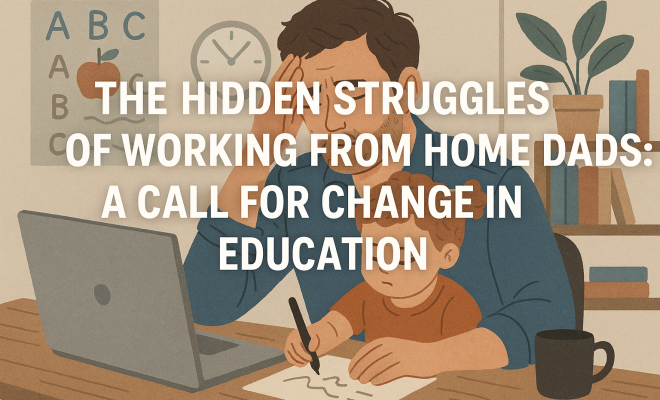
Working From Home Dads in Education Face Career Setbacks
“`html
In a world where the concept of work-life balance is becoming increasingly important, a new study from King’s College London reveals a startling truth about working from home dads. The research, spearheaded by Dr. Marcus Chen, indicates that while 64% of fathers in education careers express a desire to work remotely to better care for their children, a staggering 89% fear that pursuing such an arrangement could irreparably harm their career advancement. This alarming statistic sheds light on a growing wave of parental burnout in schools and highlights a significant gender bias that often goes unnoticed.
1. The Study That Changed Everything
Dr. Marcus Chen’s research has uncovered a troubling reality for fathers in the education sector. Despite their ambition to work from home and balance their parenting responsibilities, they face significant barriers that can stifle their career growth. The findings suggest that male educators who opt for remote work are 47% less likely to receive promotions to leadership roles compared to their on-site counterparts, even when their performance is on par. This stark revelation not only highlights the challenges working from home dads face but also raises questions about the broader implications for gender equality in the workplace.
The study’s data points are compelling. It indicates that the current systems in place within educational institutions inadvertently favor traditional on-site work, thereby penalizing fathers who choose to prioritize family. This is particularly concerning in an environment that should ideally support all educators, regardless of their gender, as they navigate the complexities of parenting and career ambitions.
2. The Parental Burnout Epidemic
In addition to the career penalties fathers face, the study also highlights the rising issue of parental burnout among educators. This phenomenon is exacerbated by rigid work policies that often leave parents, especially fathers, feeling torn between their professional responsibilities and their roles as caregivers. Viral videos circulating on social media depict dads expressing their heartbreak over missing essential school events due to inflexible work arrangements, resonating deeply with many parents who find themselves in similar situations.
The impact of parental burnout extends beyond individual families; it can permeate entire school environments, affecting teacher morale, retention, and ultimately, student outcomes. When educators feel overwhelmed and unsupported, the quality of education can suffer, leading to a troubling cycle that affects everyone involved. As society becomes more aware of these issues, there is a growing call to address the systemic barriers that contribute to parental burnout in educational settings.
3. Gender Bias: The Unspoken Challenge
The findings of this study illuminate a counterintuitive gender bias within educational workplaces. While mothers have long been vocal about the challenges they face in balancing work and family life, fathers encounter similar obstacles but often lack the societal support that mothers receive. As a result, many working from home dads may hesitate to discuss their struggles, fearing that doing so could undermine their professional credibility.
This bias is particularly evident in how parental roles are perceived within school communities. Traditional stereotypes often cast fathers in a less nurturing light, leading to assumptions that they are less committed to their parenting responsibilities. Consequently, working from home dads may feel pressured to prove their dedication to their jobs, often at the expense of their family life. It’s crucial that schools and organizations begin to dismantle these stereotypes, fostering an environment where all parents can thrive without fear of judgement or career penalties.
4. The Role of Education Unions
Education unions have an important role to play in advocating for policy changes that support working from home dads. With many unions mobilizing in response to the findings of Dr. Chen’s study, there is a collective effort to push for more flexible work arrangements and parental support systems within schools. These changes could lead to a significant shift in how educational institutions approach work-life balance for all educators.
Unions are demanding immediate action, emphasizing the need for policies that recognize the value of remote work and its potential benefits for both educators and their students. By prioritizing the mental health and well-being of educators, unions aim to create a more sustainable working environment that ultimately benefits the entire education system. The call for change is resonating strongly, as evidenced by the massive engagement on social media, with over 1.5 million shares and 500,000 comments in just 48 hours. (See: CDC report on work-life balance.)
5. Real-Life Experiences: Dads Sharing Their Stories
The emotional weight of this issue is palpable in the stories shared by working from home dads. Many fathers have taken to social media to express their struggles, sharing heart-wrenching videos that capture their feelings of frustration and sadness over missing out on key moments in their children’s lives. These stories illustrate the real-life implications of rigid workplace policies and the societal expectations placed on fathers.
Through these shared experiences, a community is emerging, where fathers support one another and advocate for change. The use of social media has proven to be a powerful tool for raising awareness and amplifying these voices. As more dads come forward with their stories, it becomes increasingly difficult to ignore the need for systemic change within the education sector.
6. Exploring Flexible Work Options
As the demand for flexible work arrangements grows, it’s essential for educational institutions to explore and implement policies that accommodate the needs of working from home dads. This could include options such as hybrid teaching models, flexible scheduling, or allowing for remote work during critical family events. By embracing these changes, schools can create a more inclusive environment that recognizes the diverse challenges faced by all parents.
Moreover, adopting flexible work options is not just beneficial for parents; it can also enhance overall job satisfaction and retention rates among educators. When teachers feel supported in their roles as parents, they are more likely to remain committed to their work, leading to a more stable and effective educational environment. Schools that prioritize flexibility may find themselves at an advantage in attracting top talent and retaining experienced educators.
7. Strategies for Dads: Navigating Work and Family Life
For working from home dads, finding the right balance between work and family life can be a daunting task. Here are some strategies that can help make this journey a bit smoother:
- Set Clear Boundaries: Establishing designated work hours can help separate professional responsibilities from family time, allowing dads to be more present during crucial moments.
- Communicate Openly: Keeping an open line of communication with employers about family needs can lead to more understanding and supportive work arrangements.
- Utilize Technology: Leveraging tools and apps that enhance productivity can help dads manage their time more effectively, making it easier to juggle multiple responsibilities.
- Join Support Groups: Connecting with other working from home dads can provide emotional support and practical advice on handling the unique challenges of balancing work and family.
- Practice Self-Care: Taking time for oneself, whether through exercise, hobbies, or relaxation, is essential in maintaining mental health amidst the demands of work and parenthood.
By implementing these strategies, working from home dads can foster a healthier work-life balance that aligns with their parenting goals. It’s essential to remember that achieving this balance is a journey, and it’s okay to seek help and support along the way.
8. The Future of Work-Life Balance in Education
The findings from King’s College London are a wake-up call for the education sector, prompting a reevaluation of work-life balance policies. As the conversation around flexible work options continues to evolve, it’s clear that addressing the needs of working from home dads must be a priority. Schools and educational institutions have an opportunity to lead by example, demonstrating that supporting family life is essential to fostering a positive and productive work environment.
By embracing change and prioritizing inclusivity, educational institutions can create a culture that values the contributions of all educators, regardless of their gender. This cultural shift has the potential to significantly improve not only the well-being of educators but also the overall educational experience for students.
9. A Call to Action
As we reflect on the implications of Dr. Chen’s study, it’s clear that working from home dads deserve more recognition and support. The time has come for educational institutions, policymakers, and society as a whole to rally behind these fathers and advocate for meaningful changes that address their unique challenges. This includes pushing for more flexible work arrangements, promoting awareness of gender bias, and ultimately fostering a culture that encourages all parents to thrive.
By coming together to support working from home dads, we can create a brighter future for families, educators, and students alike. The journey toward equality in the workplace is ongoing, but with collective effort, we can make strides toward a more inclusive and supportive environment, ensuring that no parent has to choose between their career and their family.
10. New Trends in Remote Work for Dads
As the remote work model becomes more popular, new trends are emerging that cater specifically to working from home dads. These trends include dedicated coworking spaces designed for dads, online communities that offer resources and support, and virtual workshops aimed at enhancing work-life balance skills. For instance, companies are beginning to partner with coworking spaces to provide discounted memberships for remote employees who need a professional environment away from home. (See: BBC article on remote work challenges.)
Additionally, the rise of online platforms designed for fathers is helping to create networks that share advice on balancing work and family. These platforms host webinars, provide mentoring services, and connect dads with similar experiences. Such initiatives serve as a reminder that working from home does not mean working in isolation; community and collaboration are key components of sustaining a healthy work-life integration.
11. Statistics That Matter
Understanding the current landscape for working from home dads is crucial. Recent statistics paint a vivid picture of the challenges they face:
- 62% of dads: Report feeling guilty when they can’t attend school events due to work obligations.
- 70% of educators: Believe that flexible work policies would enhance their job satisfaction and effectiveness.
- 53% of fathers: Express concern that taking parental leave could negatively impact their careers.
- 43% report: Experiencing anxiety related to their performance at work while managing family responsibilities.
These statistics clearly underscore the need for systemic change within educational institutions and beyond, advocating for policies that support fathers who are trying to balance both their careers and parenting roles.
12. Frequently Asked Questions (FAQ)
What are the primary challenges faced by working from home dads?
Working from home dads often face challenges such as managing time effectively between work and family responsibilities, feelings of isolation, societal expectations, and the pressure to prove their commitment to both their careers and parenting roles.
How can educational institutions better support working from home dads?
Educational institutions can support working from home dads by implementing flexible work policies, providing mental health resources, creating supportive communities, and promoting gender equality initiatives that recognize the importance of fathers in caregiving roles.
Are there specific resources available for working from home dads?
Yes, there are numerous resources available, including online support groups, parenting blogs, coworking spaces geared towards fathers, and workshops that focus on balancing work and family life. Additionally, many organizations offer training programs focused on time management and work-life integration.
What steps can working from home dads take to improve their work-life balance?
Working from home dads can improve their work-life balance by setting clear boundaries between work and home life, practicing self-care, communicating openly with their employers about their needs, and seeking support from other parents facing similar challenges.
How can society change perceptions about working fathers?
Changing perceptions about working fathers involves challenging stereotypes that depict them as less nurturing. This can be achieved through awareness campaigns, showcasing positive representations of fathers in media, and encouraging open conversations about the challenges and contributions of dads in the parenting space.
13. Additional Support Networks for Working From Home Dads
Beyond just immediate family and friends, working from home dads can benefit greatly from joining specific networks and communities tailored to their needs. Many cities and online platforms have formed groups that focus on supporting fathers. For example, organizations like “Fathers for Justice” advocate for fathers’ rights and provide resources for navigating both work and family life.
Additionally, local meetups can offer opportunities for dads to connect in person. Through these networks, fathers can share their experiences, provide support to one another, and even collaborate on projects or activities that promote work-life balance. These communities are vital for creating a sense of belonging and reducing feelings of isolation that often come with remote work.
14. Expert Perspectives on Working From Home Dads
Experts have weighed in on the advantages of having dads working from home. Dr. Laura Thompson, a child psychologist, notes that “when fathers are more present in their children’s lives, it fosters stronger emotional bonds and contributes to the overall well-being of the family unit.” This perspective emphasizes the importance of supporting dads in their dual roles as caregivers and professionals.
Work-life balance coach and author, Mark Adams, suggests that institutions should actively promote the idea that remote work can lead to more engaged and productive employees. “When parents feel they have the flexibility to manage their family responsibilities, they’re often more focused and motivated in their professional roles,” he explains. This points to the broader benefits of supporting working from home dads, not just for their families, but for the workplace as well.
15. Policy Recommendations for Schools
To create a more conducive environment for working from home dads, educational institutions can implement several key policy recommendations:
- Flexible Work Hours: Allowing educators to set their own hours can empower them to balance personal and professional commitments more effectively.
- Parental Leave Policies: Revising parental leave policies to ensure that fathers feel comfortable taking time off without fear of stigma or career repercussions is crucial.
- Remote Work Training: Offering training sessions on best practices for remote teaching and working can help educators navigate the challenges of working from home.
- Regular Check-Ins: Implementing regular check-ins with staff to gauge their well-being and work-life balance can foster a sense of community and support.
By taking these steps, schools can significantly enhance the work-life balance for working from home dads and, in turn, improve the educational landscape for all.
In summary, the journey toward a more inclusive and supportive environment for working from home dads is multifaceted and requires collective effort from various sectors. By understanding the unique challenges they face and advocating for meaningful changes, we can create a balanced future that respects both work and family life.
“`
Trending Now
- “What is Parallel Play and is…
- the complete explanation
- “Building Hand-Eye Coordination Through Ball Skills and Catching Activities”
- our breakdown of “the importance of parallel play in social development for toddlers”
- our breakdown of “creating environments that support parallel play in toddler classrooms”
Frequently Asked Questions
What challenges do working from home dads face in education?
Working from home dads in education face significant challenges, including a fear of career stagnation. A study found that 89% of these fathers worry that remote work could harm their career advancement, leading to a 47% lower likelihood of promotions compared to on-site colleagues.
How does remote work affect career advancement for fathers in education?
Remote work negatively impacts career advancement for fathers in education, with research indicating they are 47% less likely to receive promotions to leadership roles compared to those who work on-site, despite similar performance levels.
What is parental burnout and how does it relate to working dads?
Parental burnout refers to the overwhelming exhaustion and stress parents experience, particularly in rigid work environments. The study highlights that working dads in education are increasingly affected by this phenomenon due to lack of support for remote work.
Is there gender bias against fathers in the workplace?
Yes, the study reveals a significant gender bias against fathers in the education sector. Male educators seeking remote work often face penalties in career progression, which raises concerns about gender equality in the workplace.
What can be done to support working dads in education?
To support working dads in education, institutions need to reevaluate their work policies to accommodate remote work options without penalizing career advancement. This change could help alleviate parental burnout and promote gender equality.
What did we miss? Let us know in the comments and join the conversation.