Nonverbal Learning Disability: Understanding NVLD in Children
“`html
Introduction to Nonverbal Learning Disability
Nonverbal Learning Disability (NVLD) is a complex condition that often goes unnoticed in the early stages of a child’s development. Unlike more commonly recognized learning disabilities, NVLD primarily affects a child’s ability to interpret nonverbal cues, making social interactions and physical coordination significant challenges. This article explores NVLD in depth, examining its characteristics, how it impacts children’s lives, and ways to support those affected by this condition.
What is Nonverbal Learning Disability?
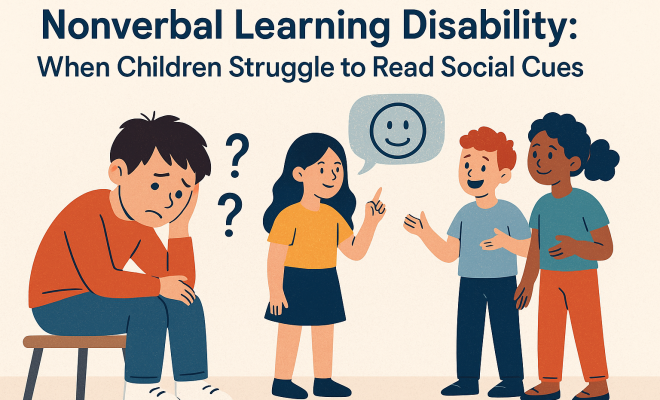
Nonverbal Learning Disability is often described as a neurological condition that affects how a person processes information, particularly nonverbal information. Children with NVLD may excel in verbal skills, such as reading and writing, but struggle with interpreting body language, facial expressions, and social cues. This disconnect can lead to misunderstandings in social situations, difficulty in forming friendships, and challenges in adjusting to new environments.
The condition was first identified in the 1980s, although its recognition has grown over recent years. NVLD is not officially recognized in the Diagnostic and Statistical Manual of Mental Disorders (DSM-5), which can make diagnosis and support more difficult. Nevertheless, educators and psychologists increasingly acknowledge the impact of NVLD on children’s academic and social experiences.
Signs and Symptoms of NVLD
The signs of Nonverbal Learning Disability can vary widely from child to child. However, there are common symptoms that parents and educators can look for:
- Poor social skills: Children with NVLD often find it challenging to engage in conversations, understand social norms, or respond appropriately to social cues.
- Difficulty interpreting nonverbal communication: While they may have strong verbal skills, they often struggle to read facial expressions, tone of voice, or body language.
- Coordination issues: Many children with NVLD also experience problems with motor skills, which can affect their participation in physical activities.
- Concrete thinking: They may have a literal understanding of language, leading to misunderstandings when faced with idioms or sarcasm.
Recognizing these symptoms early on is crucial for implementing strategies that can help children cope and thrive in social environments.
Impact on Academic Performance
While children with NVLD may excel in subjects that emphasize verbal skills, such as reading and writing, they can face significant hurdles in other areas. Mathematics, in particular, can be a struggle due to the reliance on visual-spatial abilities. Problems with organization and planning can also affect their ability to complete assignments on time.
Teachers and parents might notice that a child with NVLD performs well in class discussions but may fail to engage in group work or collaborative projects, where nonverbal communication is key. This can lead to feelings of frustration for both the child and their educators, who may not fully understand the root of these difficulties.
Social Challenges
Social interactions can be particularly daunting for children with Nonverbal Learning Disability. Their difficulty in reading social cues often results in misunderstandings that lead to awkward situations or feelings of isolation. For instance, a child may not recognize when peers are bored or uncomfortable during a conversation, leading to prolonged interactions that others find tedious.
Additionally, the lack of social awareness can cause children with NVLD to dominate conversations or fail to take turns while speaking. This can alienate peers and make it harder to form lasting friendships. Over time, the social challenges can lead to anxiety or low self-esteem, creating a cycle that exacerbates the initial problems.
The Role of Parents and Educators
Parents and educators play a critical role in supporting children with Nonverbal Learning Disabilities. Early intervention is essential, as it can help children develop coping strategies and social skills. Here are some approaches that can be beneficial:
- Open communication: Maintain an open dialogue with the child about their feelings and experiences. Encouraging them to express their challenges can help validate their emotions and make them feel understood.
- Teach social skills: Explicitly teaching social norms, such as taking turns in conversation or recognizing facial expressions, can help children navigate social interactions more effectively.
- Use visual aids: Incorporating visual supports in the classroom, such as charts or diagrams, can help children with NVLD better understand abstract concepts.
- Provide structured environments: A structured routine can help children feel more secure. Predictability in their daily schedule can reduce anxiety and improve focus.
By implementing these strategies, parents and educators can help children with NVLD thrive both academically and socially. (See: Types of learning disabilities.)
Resources and Support
Finding the right resources can be a game changer for families dealing with a diagnosis of Nonverbal Learning Disability. Support groups, both online and offline, provide essential community and understanding. Organizations such as the Learning Disabilities Association of America (LDA) offer resources specifically tailored to NVLD. They provide information about educational rights, local support groups, and strategies for advocacy.
In addition to community support, working with professionals trained in NVLD can offer families tailored strategies and interventions. Occupational therapists, speech-language pathologists, and psychologists can provide targeted support, helping children develop skills in social communication and daily living tasks.
Current Research and Developments
Research on Nonverbal Learning Disability is still evolving, and current studies are focusing on better diagnostic criteria and effective interventions. A significant area of interest is the neurological basis of NVLD. Understanding the brain’s processing of nonverbal cues could lead to more effective treatments and educational strategies.
Recent studies have also emphasized the importance of awareness and training among educators. Teachers equipped with knowledge about NVLD can create more inclusive classroom environments, facilitating better learning experiences for all students. Another focus of research is the intersection of NVLD with other learning disabilities, which can further complicate a child’s educational experience.
Practical Tips for Parents and Caregivers
As a caregiver, supporting a child with Nonverbal Learning Disability can be both rewarding and challenging. Here are some practical tips to help navigate this journey:
- Encourage playdates: Social skills develop through practice. Organizing playdates with peers can provide opportunities for your child to practice their skills in a low-pressure setting.
- Promote hobbies: Engaging in activities that interest your child can help build confidence and provide a platform for social interaction.
- Be patient: Understand that progress may be slow. Celebrate small victories and provide reassurance to help build your child’s self-esteem.
- Seek professional help: Don’t hesitate to reach out for guidance from professionals who understand NVLD. Therapy can provide valuable tools for both children and parents.
By applying these strategies, parents can create a supportive environment that encourages growth and understanding.
The Journey Forward
Living with Nonverbal Learning Disability presents unique challenges, but with the right support and understanding, children can lead fulfilling lives. Awareness continues to grow around this condition, and as more educators, parents, and peers become informed, the potential for acceptance and inclusion increases.
The journey may be difficult, but it’s essential to remember that every child is unique. With patience, love, and the right strategies, children with NVLD can learn to navigate the complexities of social interactions and thrive in their personal and academic lives. The goal isn’t to change who they are but to empower them to develop their strengths while managing their challenges effectively.
Understanding the Neurological Basis of NVLD
Exploring the neurological underpinnings of Nonverbal Learning Disability helps in understanding why children with NVLD face certain challenges. Research suggests that NVLD may be linked to atypical brain development, particularly in areas responsible for processing nonverbal information. The right hemisphere of the brain, which plays a critical role in spatial awareness and social cognition, may not function as efficiently in children with NVLD.
This neurological difference can affect everyday skills, such as understanding the nuances of social interactions or interpreting visual-spatial information. For instance, children might struggle with simple tasks like following directions on a map or understanding a diagram in a science lesson. These difficulties are not due to a lack of intelligence but rather how their brains process and interpret various types of information.
Comparative Insights: NVLD vs. Other Learning Disabilities
Nonverbal Learning Disability can be misunderstood or mistaken for other learning disabilities. For example, children with Attention Deficit Hyperactivity Disorder (ADHD) may also struggle with social interactions, but the underlying causes differ. While ADHD primarily affects attention and impulse control, NVLD specifically hinders nonverbal communication and spatial abilities.
Children with NVLD may excel in verbal communication, making it difficult for educators and parents to recognize the challenges they face. In contrast, children with Dyslexia often struggle with reading and writing from an early age, making their difficulties more noticeable. Understanding these distinctions is essential for appropriate diagnosis and intervention. (See: Facts about learning disabilities.)
Statistics and Prevalence of NVLD
While exact statistics on the prevalence of Nonverbal Learning Disability are challenging to pinpoint, estimates suggest that NVLD affects approximately 1-2% of the population. This statistic highlights the importance of awareness and understanding, as many children may go undiagnosed or misdiagnosed. Research indicates that NVLD may be underreported due to its overlap with other conditions and the lack of official recognition in diagnostic manuals.
Awareness efforts are crucial to help parents, educators, and medical professionals recognize the signs of NVLD early. Recent surveys have shown that many educators feel ill-equipped to identify and support students with NVLD, underlining the need for targeted training and resources.
Common Misconceptions About NVLD
There are several common misconceptions about Nonverbal Learning Disability that can complicate understanding and support for affected children:
- Misconception 1: NVLD is just a form of Autism Spectrum Disorder (ASD). While there may be overlapping characteristics, NVLD and ASD are distinct conditions with different diagnostic criteria and manifestations.
- Misconception 2: Children with NVLD lack intelligence. In reality, many children with NVLD possess above-average verbal abilities but struggle specifically with nonverbal tasks.
- Misconception 3: NVLD is a rare condition. Although not as widely recognized, NVLD affects a significant number of children, warranting increased attention and awareness in educational settings.
Developing Social Skills: Activities and Strategies
Helping children with Nonverbal Learning Disability develop social skills can be approached through various fun and engaging activities. Here are some strategies to consider:
- Role-playing: Create scenarios where your child can practice social interactions, such as making introductions or handling disagreements. Role-playing can make learning social skills more enjoyable.
- Story time discussions: Read books that involve characters facing social challenges. After reading, discuss the characters’ actions and emotions to practice understanding nonverbal cues and empathy.
- Games focusing on nonverbal communication: Play games like charades, where children can practice recognizing and expressing emotions without words. This can help reinforce their ability to interpret body language and gestures.
FAQs About Nonverbal Learning Disability
What is the difference between NVLD and Autism Spectrum Disorder?
While both conditions can involve challenges with social communication, NVLD specifically relates to difficulties in interpreting nonverbal cues, whereas ASD encompasses a broader range of social and communication challenges.
How is NVLD diagnosed?
Diagnosing NVLD typically involves a comprehensive evaluation by professionals, including psychologists and educational specialists. They may use standardized tests and interviews to assess a child’s strengths and weaknesses.
Can NVLD be outgrown?
While some children may learn to compensate for their NVLD symptoms over time, the core challenges associated with the condition often persist into adulthood. Continued support and strategies can help individuals manage their difficulties.
What are effective interventions for NVLD?
Effective interventions include tailored educational strategies, occupational therapy focusing on motor skills, and social skills training that helps children practice and improve their interactions.
How can teachers support students with NVLD?
Teachers can support students with NVLD by providing clear instructions, using visual aids, allowing extra time for assignments, and creating structured classroom environments that minimize distractions.
Are there support groups for families dealing with NVLD?
Yes, many organizations and online communities provide support for families of children with NVLD. These resources can offer advice, share experiences, and connect families with similar challenges.
The Path to Advocacy and Awareness
Advocacy for children with Nonverbal Learning Disability is essential for ensuring they receive appropriate support and understanding. Parents can advocate for their children by educating teachers, school administrators, and peers about NVLD. Participating in local and national organizations dedicated to learning disabilities can also amplify the voices of those affected by NVLD.
Increasing awareness in the community about NVLD can lead to more inclusive practices in schools and social settings, ultimately benefiting all children. As understanding grows, so does the potential for acceptance and support for children navigating the complexities of NVLD.
Understanding the Long-term Effects of NVLD
While the challenges of NVLD are often evident in childhood, understanding its long-term effects is equally important. Many adults with NVLD report ongoing difficulties in social and occupational settings. They may continue to struggle with reading nonverbal cues in professional environments, which can hinder career advancement and workplace relationships.
These long-term impacts highlight the importance of addressing NVLD not just in childhood but as a lifelong condition that can benefit from continued support and awareness. Programs aimed at adult education, social skills training, and workplace accommodations can be crucial for those living with NVLD.
Strategies for Successful Transitioning to Adulthood
Transitioning from childhood to adulthood can be particularly challenging for individuals with NVLD. Here are some strategies that can facilitate this transition:
- Career Counseling: Engaging in career counseling can help individuals identify their strengths and interests, which is essential for finding suitable job opportunities.
- Social Skills Workshops: Participating in workshops focused on adult social skills can help improve interactions in both personal and professional settings.
- Mentorship Programs: Connecting with mentors who understand NVLD can provide guidance and support as individuals navigate adult responsibilities.
- Continued Education: Encouraging participation in continuing education programs can enhance job skills and offer networking opportunities.
The Importance of Building Self-Esteem
Helping children and young adults with NVLD build self-esteem is critical for their overall well-being and success. When children often face social rejection or misunderstandings, their self-worth can take a hit. Here are some ways to promote self-esteem:
- Celebrate Achievements: Recognizing and celebrating achievements, no matter how small, can help boost confidence. Whether it’s mastering a new skill or completing a challenging project, acknowledgment is key.
- Encouragement: Providing constant encouragement can help children feel valued and supported. Encouragement can come from parents, teachers, and peers, creating a positive feedback loop.
- Empower Decision-Making: Allowing children to make choices and decisions can foster a sense of control and independence, contributing positively to their self-esteem.
- Fostering Supportive Friendships: Helping children cultivate friendships with understanding peers can create a safe space where they can express themselves without fear of judgment.
Conclusion
By understanding and addressing Nonverbal Learning Disability, we can make significant strides toward creating an inclusive environment for individuals with this condition. Awareness, education, and advocacy are critical components in empowering those with NVLD to thrive in social, academic, and professional settings. As we continue to learn and grow, we must ensure that every child, regardless of their challenges, is given the tools and opportunities needed to succeed.
“`
Trending Now
- this guide on “why neuroscientists say learning styles theory lacks scientific evidence”
- this guide on “how to teach to different learning preferences without limiting student growth”
- this guide on “how childhood attachment patterns affect adult relationships and mental health”
Frequently Asked Questions
What is Nonverbal Learning Disability?
Nonverbal Learning Disability (NVLD) is a neurological condition that primarily affects a child's ability to interpret nonverbal cues, such as body language and facial expressions. While children with NVLD may excel in verbal skills, they often struggle with social interactions and physical coordination, which can lead to misunderstandings and challenges in forming friendships.
What are the signs of Nonverbal Learning Disability?
Common signs of Nonverbal Learning Disability include poor social skills, difficulty interpreting nonverbal communication, and challenges with physical coordination. Children may struggle to engage in conversations, understand social norms, and respond appropriately to social cues, despite having strong verbal abilities.
How does Nonverbal Learning Disability affect children?
Children with Nonverbal Learning Disability may face significant challenges in social interactions, leading to misunderstandings and difficulties in forming friendships. They often have trouble adjusting to new environments and interpreting nonverbal signals, which can impact their academic and social experiences.
Is Nonverbal Learning Disability officially recognized?
Nonverbal Learning Disability is not officially recognized in the Diagnostic and Statistical Manual of Mental Disorders (DSM-5), which can complicate diagnosis and support. However, educators and psychologists increasingly acknowledge its impact on children's learning and social skills.
What support is available for children with Nonverbal Learning Disability?
Support for children with Nonverbal Learning Disability may include individualized education plans (IEPs), social skills training, and targeted interventions to improve communication and coordination. Encouraging understanding and patience from peers and educators is also crucial in helping these children navigate social situations.
Have you experienced this yourself? We’d love to hear your story in the comments.