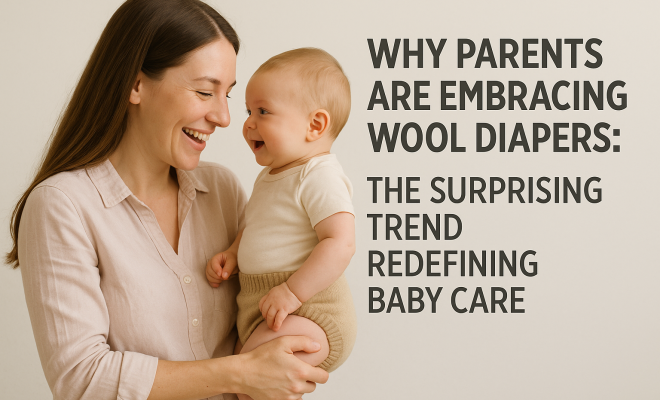
Why Parents Are Embracing Wool Diapers: The Surprising Trend Redefining Baby Care
“`html
In a world where parenting choices can be overwhelming, a new trend has emerged that’s capturing the hearts of eco-conscious families: wool diapers. Yes, you read that right—wool diapers! This surprising shift away from traditional disposable and even standard cloth diapers is not just a fad; it’s gaining momentum as parents flock to social media to share their experiences and the many benefits of this natural material. As more families explore sustainable parenting practices, the appeal of wool diapers is quickly becoming impossible to ignore.
1. The Rise of Wool Diapers: A Trend Worth Noticing
The concept of using wool for diapers might seem counterintuitive at first glance, especially for those used to the convenience of disposables. However, the resurgence of wool diapers is rooted in a desire for eco-friendliness and healthier alternatives for our children. Parents are increasingly concerned about the chemicals and plastics present in conventional diapers, prompting them to explore more natural options.
Thanks to the power of social media, a wave of videos showcasing adorable babies in wool diapers has gone viral. Parents share not only the cuteness factor but also the practical advantages of these diapers. For instance, wool is naturally breathable, moisture-wicking, and temperature-regulating, making it an ideal choice for keeping baby’s skin healthy.
2. Environmental Benefits: Choosing Wool for the Planet
One of the most compelling reasons parents are making the switch to wool diapers is the environmental impact. Traditional disposable diapers contribute significantly to landfill waste, with an estimated 20 billion disposed of each year in the United States alone. These diapers take centuries to decompose, releasing harmful chemicals into the environment in the process.
Wool, on the other hand, is a renewable resource. It can biodegrade and, when sourced responsibly, has a much smaller carbon footprint. By opting for wool diapers, parents are not only making a better choice for their babies but are also taking a stand against pollution and waste, fostering a healthier planet for future generations.
To put this into perspective, it is estimated that a single child can use approximately 5,000 disposable diapers in their first two to three years of life. If every parent switched to using wool, the reduction in waste could be monumental. In fact, by choosing wool diapers, families could save roughly 1.5 tons of waste per child—an impressive statistic that highlights the real impact of this decision.
3. Skin Health: A Natural Choice for Delicate Skin
Another significant draw for wool diapers is their benefits for skin health. Many parents are concerned about diaper rashes and irritation that often accompany traditional disposable or even some cloth diapers, which can be laden with chemicals or synthetic materials. Wool is hypoallergenic and has natural antimicrobial properties, making it gentler on sensitive skin.
Moreover, wool’s moisture-wicking abilities help keep babies dry by drawing moisture away from the skin. This means fewer instances of diaper rash and a more comfortable experience for little ones. Studies have shown that babies who wear wool are less likely to experience skin irritation compared to those in disposable diapers. As parents become more aware of skin sensitivities and allergies, the appeal of wool diapers continues to grow.
In addition to comfort, many parents find that wool’s natural properties support better skin health. The fibers in wool can help regulate temperature, ensuring that babies don’t overheat or get too cold, which can also contribute to skin irritation. These benefits make wool a favorite among parents aiming for the best for their child’s sensitive skin.
4. Cost-Effectiveness: Investing in Quality
While the initial cost of wool diapers may be higher compared to disposables, they can be a cost-effective solution in the long run. Wool diapers are highly durable and can last through multiple children if cared for properly. Unlike disposables that need to be purchased repeatedly, a set of quality wool diapers can serve a family for years. (See: health risks of conventional diapers.)
Additionally, many parents find that they can save on diapering costs with wool since they require fewer changes throughout the day. The superior absorbency of wool means that babies can wear them longer without needing a change, leading to reduced laundry and waste. It’s a long-term investment that not only benefits the wallet but also the environment.
When calculating costs, parents often overlook the hidden expenses associated with disposable diapers, such as the environmental fees for waste disposal and the cost of treating diaper rashes that can arise from chemical irritants. Wool diapers, while initially more expensive, can save families substantial amounts by reducing these additional costs over time.
5. Community and Support: Joining the Wool Diaper Movement
The rise of wool diapers is not just about the product itself but also about the community surrounding it. Parents sharing their experiences, tips, and advice online are driving the trend forward. Social media platforms have become hubs for discussions on cloth diapering, sustainability, and natural parenting practices.
Many families are finding support in online groups or forums where they can ask questions and share their challenges. This sense of community reinforces the idea that using wool diapers is not just a personal choice but part of a larger movement committed to sustainable living and better health outcomes for children.
For instance, platforms like Facebook and Instagram feature groups specifically dedicated to wool diaper users, where parents can exchange information regarding care, styles, and experiences. These communities serve as priceless resources, especially for new parents who may feel overwhelmed by the sheer volume of choices available. The encouragement and shared joy from fellow users can make the transition more rewarding.
6. Ease of Use: Dispelling Myths
One common misconception about wool diapers is that they are difficult to use or maintain. While it’s true that they require a different care routine compared to disposables, many parents find that the learning curve is manageable. Wool diapers typically need to be lanolized to maintain their waterproof properties, but once this step is mastered, they can be just as easy to use as any other diaper type.
Additionally, many brands offer user-friendly options with built-in features that make diapering a breeze. Wool covers can be paired with absorbent inserts, and parents can choose from various styles to fit their lifestyle and preferences. With a little bit of practice, using wool diapers can become a seamless part of daily routines.
Methods for laundering wool have also evolved. Today, many parents are happy to find that there are wool wash products specifically designed to take the guesswork out of caring for these natural fibers. Furthermore, many manufacturers now offer machine-washable options, making it easier than ever to integrate wool into your diapering routine.
7. Variety and Style: A Choice for Every Baby
Wool diapers come in a stunning array of colors, patterns, and styles, allowing parents to express their unique style while diapering. Many brands are now offering customizable options, from colorful wool covers to whimsical prints that make diaper changes a little more fun.
Beyond aesthetics, the variety also extends to functionality, with different styles designed to meet specific needs. Whether parents prefer fitted wool diapers, wool covers, or hybrid systems, the adaptability of wool diapers means there’s a suitable choice for every family. It’s a way to combine functionality with flair!
For example, some brands offer hand-knitted wool covers that not only provide outstanding performance but also serve as fashionable statement pieces. Parents can mix and match these stylish covers with their baby’s outfits, making diaper changes an opportunity for creativity and self-expression.
8. Reducing the ‘Fear of Missing Out’: Staying Ahead of Parenting Trends
As the parenting landscape evolves, so does the pressure to stay informed about the latest trends. The rise of wool diapers can partly be attributed to parents’ natural curiosity and the ‘fear of missing out’ on the best practices for their children’s health and development. This FOMO drives parents to seek out alternatives that promise a more sustainable, healthier lifestyle. (See: impact of pollution on children's health.)
When parents see others sharing their wool diaper experiences online, it creates a sense of community and belonging. This trend is a powerful reminder that parents want to be part of a movement that prioritizes their children’s well-being and environmental responsibility. The emotional appeal of wool diapers lies in their ability to foster connection and shared values among families.
Ultimately, this community aspect encourages parents to share not only the successes but also the struggles associated with using wool diapers. This transparency is refreshing and helps new parents feel less isolated in their parenting journey.
9. Making the Switch: Tips for New Wool Diaper Users
For families interested in making the transition to wool diapers, starting can feel daunting. However, with a few simple tips, the process can be smooth and enjoyable. First, consider investing in a small set to test out. Many brands offer starter kits that include a couple of covers and inserts, allowing parents to gauge whether wool works for their family.
Next, embrace the learning curve. Wool requires specific care, such as washing with gentle detergent and lanolizing to ensure waterproof capability. Many resources are available online to guide you through the process, making it easier to adopt this new practice. Finally, connect with other wool diaper users for tips and support—the community is one of your best resources as you embark on this eco-friendly journey.
Additionally, consider creating a schedule for regular maintenance, such as lanolizing and washing, to keep your wool diapers in tip-top shape. Setting reminders can help you stay on track and ensure that your diapers perform at their best when you need them most.
10. FAQs About Wool Diapers
As wool diapers gain popularity, many parents have questions about their use and care. Here are some frequently asked questions that can help clarify common concerns:
- Are wool diapers really waterproof? Yes, when properly lanolized, wool has excellent waterproof properties. It can keep moisture in while still allowing the skin to breathe.
- How often do I need to change a wool diaper? Wool diapers can often be used for longer periods than disposables due to their superior absorbency. However, it’s important to check for signs of wetness and change as needed.
- What is lanolin and how do I use it? Lanolin is a natural wax derived from sheep’s wool that helps make wool waterproof. To maintain a wool diaper’s effectiveness, you will need to lanolize it regularly, following the manufacturer’s instructions.
- Can I use wool diapers overnight? Yes, many parents successfully use wool diapers overnight. Just ensure you have a high-quality absorbent insert paired with the wool cover to prevent leaks.
- How do I wash wool diapers? Washing wool requires a gentle detergent specifically designed for wool. Hand washing or using a delicate cycle with cold water is recommended, followed by air drying.
- Are wool diapers safe for my baby’s skin? Absolutely! Wool is hypoallergenic and has natural antimicrobial properties, making it an excellent choice for babies with sensitive skin.
11. Wool Diapers vs. Other Cloth Diapers: Making the Right Choice
When considering diaper options, parents often compare wool diapers to other cloth diaper types, such as cotton, bamboo, or hemp. Each material has its own set of benefits and disadvantages, but understanding these differences can help you make an informed choice that fits your family’s needs.
Cotton diapers are widely known for their affordability and ease of cleaning. However, they may not have the same moisture-wicking properties as wool. Bamboo, while incredibly soft and absorbent, can be more expensive and requires more frequent changing. Hemp diapers boast excellent absorbency and durability but can feel rough against sensitive skin unless paired with a softer layer. Wool, on the other hand, stands out with its unique ability to regulate temperature and wick moisture, making it a top contender for skin health.
Another factor to consider is the environmental impact of each fabric. Organic cotton and bamboo can be more sustainable options, but when looking at biodegradability and renewability, wool often wins out due to its natural lifecycle and lower carbon footprint. Each family’s values and lifestyle will play a significant role in which option is best for them.
12. Understanding the Cost of Wool Diapers
Many parents may be deterred by the upfront cost of wool diapers, which can range from $15 to $40 per cover, depending on brand and quality. While this seems high compared to disposables, it’s essential to consider the long-term savings. A single wool cover can last several years with proper care, often outlasting multiple packs of disposable diapers. Additionally, many families find that they can reduce the total number of diapers used, as wool’s absorbency allows for fewer changes throughout the day. (See: benefits of natural materials in baby products.)
For those on tighter budgets, buying used wool diapers is a viable option. Many parents opt to sell their gently used items, which can significantly lower the initial investment. Additionally, some families choose to make their own covers, adding a personal touch while saving money. With some basic sewing skills, you can craft wool diaper covers from upcycled sweaters or fleece, making it an environmentally friendly choice.
13. Wool Diaper Care: A Closer Look
Understanding how to care for wool diapers is crucial for maintaining their performance. Wool requires specific washing techniques to keep it clean and functional. Using a gentle detergent designed for wool is recommended to ensure that the natural fibers remain intact. Hot water can shrink wool, so always wash in cold to lukewarm water.
After washing, lanolizing is essential to restore the natural waterproofing properties. This process involves dissolving lanolin in warm water and soaking the wool diaper covers, allowing the fibers to absorb the lanolin. This step often intimidates new users, but once learned, it becomes an easy routine to follow.
Drying wool diapers should be done flat and away from direct sunlight or heat sources to prevent shrinkage. Hanging or laying flat to dry ensures that they maintain their shape and durability over time. Additionally, a little regular maintenance goes a long way; brushing off any dirt or debris after each use helps keep them fresh and ready to go!
14. Expert Opinions on Wool Diapers
When it comes to the best practices in diapering, consulting experts can provide valuable insights. Pediatricians and dermatologists often recommend wool diapers for their natural, breathable properties, especially for babies predisposed to rashes or allergies. Experts emphasize that the choice of diaper can significantly impact a baby’s skin health, and wool’s natural qualities make it a top recommendation.
Additionally, many eco-conscious parenting bloggers and influencers extol the virtues of wool while sharing their personal experiences with the product. They often highlight the value of community support, educational resources, and the joy of using a product that’s both effective and sustainable. Their testimonials can provide encouragement to new parents considering the switch.
The movement toward wool diapers is not just a fleeting trend; it’s a reflection of a larger commitment to healthier, more sustainable parenting. As families continue to prioritize eco-friendly choices and the well-being of their children, wool diapers are likely to remain a popular option for years to come. Exploring this natural alternative might just be the best decision for you and your little one!
“`
Trending Now
Frequently Asked Questions
What are wool diapers and why are parents choosing them?
Wool diapers are a natural alternative to traditional disposable and cloth diapers, gaining popularity among eco-conscious families. Parents are drawn to them for their eco-friendliness, moisture-wicking properties, and ability to regulate temperature, keeping babies' skin healthy while reducing environmental impact.
What are the benefits of using wool diapers?
Wool diapers provide several benefits, including breathability, moisture-wicking, and temperature regulation. They are biodegradable and come from a renewable resource, making them a healthier choice for babies and a more sustainable option for the environment.
How do wool diapers compare to disposable diapers?
Wool diapers are more environmentally friendly than disposable diapers, which contribute significantly to landfill waste. While disposables can take centuries to decompose and release harmful chemicals, wool diapers are biodegradable and have a smaller carbon footprint when sourced responsibly.
Are wool diapers effective for preventing diaper rash?
Yes, wool diapers can help prevent diaper rash due to their moisture-wicking and breathable nature. They keep the baby's skin dry and regulate temperature, reducing the likelihood of irritation compared to traditional disposable diapers.
How do you care for wool diapers?
Caring for wool diapers involves hand washing or machine washing on a gentle cycle with a mild detergent. They require occasional lanolizing to maintain their moisture-wicking properties and should be air-dried to preserve the wool's integrity.
What’s your take on this? Share your thoughts in the comments below — we read every one.