Zone of Proximal Development in Reading Instruction
“`html
Understanding how children learn to read is a crucial aspect of education. One of the foundational theories that sheds light on this process is the concept of the zone of proximal development in reading, developed by Russian psychologist Lev Vygotsky. This theory emphasizes the importance of social interaction and the support provided by more knowledgeable others, such as teachers or peers, in helping learners achieve higher levels of understanding. In this article, we will explore the nuances of this concept, its implications for reading instruction, and practical strategies for educators to implement it effectively.
What is the Zone of Proximal Development?
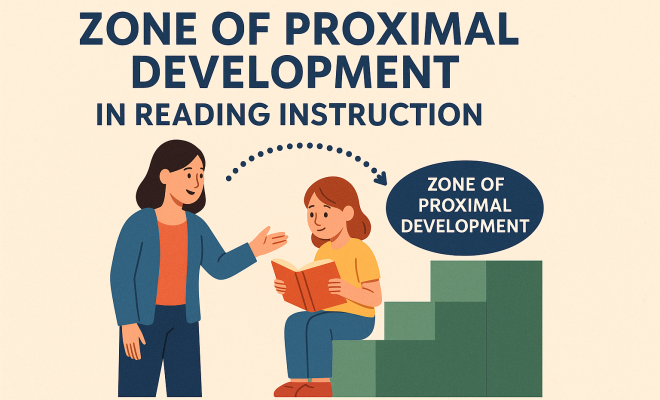
The zone of proximal development (ZPD) refers to the range of tasks that a learner can perform with the guidance of a more knowledgeable person but cannot yet perform independently. It represents the space between what a learner can do alone and what they can achieve with assistance. This theory is particularly relevant in reading instruction because it highlights the need for educators to tailor their teaching approaches based on individual students’ abilities.
Vygotsky defined this zone as a critical area for optimal learning, where students are challenged just beyond their current capabilities. In practice, effective instruction involves recognizing where a student is within their ZPD and providing the necessary support to help them progress. In the context of reading, this might mean guiding a child through complex texts or unfamiliar vocabulary.
The Importance of Social Interaction
Central to the ZPD is the idea that social interaction is essential for cognitive development. When children engage with more knowledgeable peers or adults, they receive immediate feedback and support, which is vital for their learning process. In reading instruction, this can take many forms, from collaborative reading sessions to guided discussions about texts.
Research has shown that students who engage in social learning experiences tend to perform better than those who learn in isolation. For instance, when students discuss a book they are reading, they can share insights, clarify misunderstandings, and deepen their comprehension. This collaborative learning not only enhances their understanding of the text but also builds their confidence as readers.
Key Components of Effective Instruction within the ZPD
To effectively leverage the zone of proximal development in reading, educators should focus on three key components: scaffolding, modeling, and feedback.
Scaffolding
Scaffolding involves providing temporary support to learners as they tackle new tasks. This might include breaking down reading assignments into manageable chunks or providing graphic organizers to help students structure their thoughts. As students gain proficiency, these supports can be gradually removed, promoting independence.
For example, when introducing a challenging text, a teacher might first read a passage aloud, modeling fluent reading and expression. Then, the teacher can guide students through the next few paragraphs, asking questions and prompting discussion. Eventually, students should be able to read similar texts independently.
Modeling
Modeling is another critical aspect of effective instruction within the ZPD. This strategy involves demonstrating the thought processes and strategies that proficient readers use. By seeing these strategies in action, students can adopt them in their reading practice.
An effective model might include think-aloud sessions where the teacher verbalizes their thinking process as they read a text. This can help students understand how to make predictions, ask questions, and summarize information—all vital skills for comprehension.
Feedback
Timely and constructive feedback is essential for helping students reflect on their progress and understand areas that need improvement. Feedback can be verbal or written and should focus on specific aspects of reading, such as comprehension, fluency, or vocabulary.
For example, if a student struggles with understanding a character’s motivation in a story, targeted feedback can help them identify clues in the text that support their analysis. This approach not only corrects misunderstandings but also encourages a growth mindset, where students view challenges as opportunities for learning. (See: Zone of Proximal Development on Wikipedia.)
Practical Strategies for Implementing the ZPD in Reading Instruction
Now that we understand the theoretical framework, let’s look at actionable strategies that educators can implement to harness the zone of proximal development in reading.
1. Assessing Student Readiness
Before implementing instruction, teachers should assess each student’s current reading level and understanding. This can be done through informal assessments, such as running records or comprehension checks. By having a clear picture of where each student stands, educators can tailor their instruction to meet individual needs.
2. Differentiated Instruction
Effective reading instruction acknowledges that students come with varying backgrounds, skills, and interests. Differentiated instruction allows educators to provide different avenues for students to engage with texts. This could involve offering a selection of texts at varying difficulty levels or providing choice in reading materials.
For instance, in a classroom reading unit about animals, some students might read picture books with simple text, while others might tackle chapter books with more complex narratives. This approach keeps all students engaged and working within their ZPD.
3. Collaborative Learning Environments
Creating opportunities for collaborative learning can foster a sense of community and support among students. Group work, literature circles, or buddy reading systems encourage students to share ideas and insights, which can enhance comprehension.
In literature circles, for example, students can take on different roles—such as summarizer, questioner, or connector—to promote deeper discussions about the text. This interaction not only reinforces individual learning but also builds social skills.
4. Incorporating Technology
Technology can serve as a powerful tool in reading instruction, particularly for students who may need additional support. Programs that adapt to individual reading levels, such as personalized reading apps or online literacy platforms, can provide tailored experiences that align with each student’s ZPD.
For example, tools like Raz-Kids or Lexia provide students with leveled texts and immediate feedback, creating a responsive learning environment that can adjust as the student progresses. This adaptability ensures that learning remains challenging yet attainable.
Current Relevance of the ZPD in Education
The zone of proximal development in reading remains highly relevant in today’s educational landscape, especially as educators strive to meet diverse student needs. With the increased focus on personalized learning and differentiated instruction, understanding the ZPD can guide effective teaching practices.
Moreover, the advent of remote learning due to the COVID-19 pandemic has highlighted the need for innovative instructional strategies. Educators have had to adapt their practices to support students who might be struggling with reading at home. Utilizing the ZPD framework provides a roadmap for these adaptations.
Challenges in Implementing the ZPD
While the concept of the zone of proximal development is invaluable, it’s not without its challenges. Educators may face difficulties in assessing each student’s ZPD accurately, particularly in large classrooms with diverse needs. Additionally, balancing the need for individualized support with curriculum requirements can be tricky.
Professional development is crucial in helping educators learn how to effectively implement the ZPD in their instruction. Ongoing training can equip teachers with the tools and strategies needed to assess student readiness and provide appropriate scaffolding.
Expanding Understanding: Additional Insights into the ZPD
To gain a deeper appreciation of the zone of proximal development in reading, it’s helpful to explore how it relates to various learning theories and practices in education. Here are some additional perspectives that can enhance our understanding.
The Relationship Between ZPD and Constructivism
Vygotsky’s ZPD aligns closely with constructivist theories of learning, which assert that knowledge is constructed through experiences. In a constructivist classroom, learners are encouraged to actively participate and engage with content rather than passively receive information. This approach is especially beneficial in reading, as students develop personal connections with texts and learn to navigate complex ideas through collaboration. (See: CDC on reading and learning.)
In practice, teachers can create opportunities for students to explore texts in a way that allows them to draw on their prior knowledge and experiences. For instance, before diving into a new novel, a teacher might facilitate a discussion on themes related to the text, engaging students’ prior knowledge and framing subsequent reading within a familiar context.
Impact of Cultural Context on the ZPD
Vygotsky emphasized the role of culture in cognitive development. Recognizing the cultural backgrounds of students can significantly influence how they engage with reading. The ZPD can vary not just by individual abilities but also by cultural context; what is familiar to one student may be challenging to another.
Educators can therefore enhance reading instruction by incorporating culturally relevant texts and examples. This not only makes the content more relatable but also empowers students by validating their backgrounds and perspectives. By fostering an inclusive environment, educators can ensure that all students find their reading experiences meaningful.
Statistics on the ZPD and Reading Outcomes
Research supports the effectiveness of utilizing the ZPD in reading instruction. A study published in the Journal of Educational Psychology found that students who received instruction based on their ZPD demonstrated an increase of up to 30% in reading comprehension scores compared to those who received traditional, one-size-fits-all instruction.
Another compelling statistic comes from a longitudinal study of students in a diverse urban school district, which indicated that implementing collaborative learning strategies aligned with the ZPD resulted in a 15% improvement in overall reading fluency among struggling readers over the course of one academic year.
Expert Perspectives on the ZPD in Reading
Experts in educational psychology and literacy instruction have weighed in on the significance of the ZPD in reading. Dr. Emily H. Smith, a noted literacy researcher, emphasizes that “understanding the ZPD framework allows educators to make informed decisions about how to guide students through complex reading tasks. It’s about meeting students where they are and providing the right level of support to propel their learning forward.”
Similarly, Dr. Mark J. Davis, an educational consultant, points out that “the application of the ZPD in reading is not a one-time event; it’s a continuous process. As students grow and develop, their ZPD shifts, and instruction must evolve to keep pace with those changes.” This perspective highlights the dynamic nature of teaching within the ZPD and the necessity for ongoing assessment and adjustment.
Frequently Asked Questions (FAQ) about the Zone of Proximal Development in Reading
What age group is most affected by the ZPD in reading?
The ZPD is particularly crucial for early readers, typically from preschool through elementary school. During these formative years, children are developing essential literacy skills, and appropriate scaffolding can make a significant difference in their reading development.
How can parents support their child’s ZPD in reading at home?
Parents can play an active role by reading with their children and discussing the content. Asking open-ended questions about the story helps children think critically and articulate their ideas. Additionally, providing access to a variety of reading materials can encourage exploration and engagement within their ZPD.
Are there specific reading programs that align with the ZPD model?
Yes, many reading programs, such as Guided Reading and the Readers’ Workshop model, incorporate the principles of the ZPD. These programs emphasize personalized instruction, allowing teachers to group students according to their reading levels and provide targeted support.
How can teachers assess students’ ZPD?
Teachers can use a variety of assessment tools to gauge students’ reading levels and comprehension skills. Informal assessments, such as reading fluency checks or comprehension interviews, can provide valuable insight into a student’s ZPD. Observational assessments during reading activities also help educators identify areas where students might need more support.
What role does motivation play in the ZPD?
Motivation is a critical factor in the ZPD. When students are engaged and interested in a text, they are more likely to push beyond their current abilities. Teachers can foster motivation by providing reading materials that are relevant and appealing to students, thus encouraging them to venture into their ZPD. (See: Harvard University educational resources.)
Expanding the Understanding: More on the ZPD in Different Reading Contexts
The application of the zone of proximal development in reading extends beyond the traditional classroom setting. It is valuable in multiple contexts, such as special education, adult literacy programs, and even digital learning environments.
Application in Special Education
In special education, understanding the ZPD is essential for creating tailored interventions. Students with learning disabilities may have unique ZPDs that require specific strategies for reading instruction. For instance, using multisensory approaches can help these learners access their ZPD more effectively. Techniques like phonics games, visual aids, and auditory inputs can enhance engagement and understanding.
Research has shown that when special education teachers adopt ZPD-based strategies, students can make significant gains in reading proficiency. A study from the Journal of Special Education indicates that students who received ZPD-focused instruction improved their reading scores by an average of 40% over a school year.
Adult Literacy Programs
The ZPD is also relevant in adult literacy programs, where understanding the relationship between prior knowledge and new information is crucial. Adult learners often bring a wealth of experiences that can be leveraged to enhance reading comprehension. Instructors can utilize learners’ life experiences as a bridge to new reading materials, aligning lessons with their interests and real-world applications.
For example, if a class of adult learners includes individuals seeking employment, reading materials could focus on job applications, workplace safety guidelines, or communication strategies. This not only makes the content more relevant but also encourages learners to engage more deeply with the material.
Digital Learning Environments
With the rise of online learning platforms, the ZPD can be effectively integrated into digital reading experiences. Many online programs use adaptive learning technologies that automatically adjust the difficulty of reading materials based on a learner’s performance, thereby personalizing the learning journey. For instance, platforms like Epic! and ReadTheory provide learners with texts that correspond to their identified ZPD, ensuring that students are consistently challenged yet supported.
These digital tools also include features that promote interaction, such as discussion forums or collaborative annotation capabilities, which mimic the social interactions emphasized by Vygotsky and further support students’ development within their ZPD.
Conclusion: Embracing the ZPD for Better Reading Outcomes
Ultimately, embracing the zone of proximal development in reading can lead to significant improvements in reading outcomes for students. By focusing on the unique needs of each child and implementing strategies that support their growth within the ZPD, educators can foster a more effective and inclusive learning environment.
As we continue to evolve our teaching practices, let’s remember the importance of social interaction, tailored instruction, and ongoing support. These elements are not just beneficial; they’re essential for cultivating a generation of confident, skilled readers who can navigate the complexities of texts with ease.
“`
Trending Now
- How Avoidant Attachment Develops in Early Childhood
- our breakdown of how competency-based education supports students with learning disabilities
- Difficult Temperament vs. ADHD: How to Tell the Difference
- our breakdown of how to parent according to your child’s temperament type
- How Attachment Theory Influences Behavior in…
Frequently Asked Questions
What is the Zone of Proximal Development in reading?
The Zone of Proximal Development (ZPD) in reading refers to the range of tasks a learner can accomplish with guidance but cannot yet do independently. It emphasizes the importance of support from teachers or peers to help students progress in their reading skills.
How does the Zone of Proximal Development relate to reading instruction?
In reading instruction, the ZPD highlights the need for educators to tailor their teaching strategies to each student’s abilities. Effective instruction involves recognizing a student's current level and providing appropriate support to challenge them just beyond their capabilities.
Why is social interaction important in the Zone of Proximal Development?
Social interaction is crucial in the ZPD because it facilitates cognitive development. Engaging with knowledgeable peers or adults allows learners to receive immediate feedback and support, which enhances their understanding and skills in reading.
What strategies can educators use to implement the Zone of Proximal Development in reading?
Educators can implement the ZPD in reading by conducting collaborative reading sessions, guiding discussions about texts, and providing targeted support for complex vocabulary or challenging texts, ensuring that instruction is aligned with each student’s developmental stage.
Who developed the concept of the Zone of Proximal Development?
The concept of the Zone of Proximal Development was developed by Russian psychologist Lev Vygotsky. His theory emphasizes the role of social interaction and guidance in helping learners achieve higher levels of understanding.
What’s your take on this? Share your thoughts in the comments below — we read every one.