Dyslexia and Phonemic Awareness: Why Reading Is So Difficult
“`html
Dyslexia is a term that resonates with many parents, educators, and individuals who have struggled with reading. But what exactly is dyslexia, and why does it present such significant challenges? At the heart of the issue lies a critical component of reading development: dyslexia phonemic awareness. This article delves into the intricacies of dyslexia and the essential role that phonemic awareness plays in reading success.
What is Dyslexia?
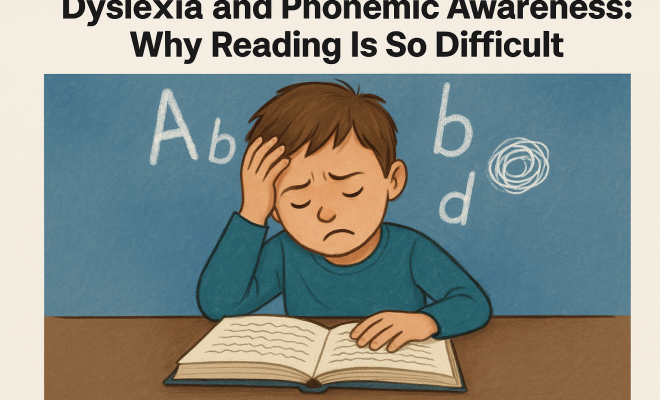
Dyslexia is a specific learning disability that affects a person’s ability to read, write, and spell. It is often characterized by difficulties in recognizing and manipulating the sounds in spoken language (phonemes), which directly impacts reading fluency and comprehension. According to the International Dyslexia Association, dyslexia affects approximately 5-10% of the population, although some estimates suggest it could be as high as 20% when including those with milder symptoms.
The condition is neurobiological in origin, which means it’s not due to a lack of intelligence or effort. Individuals with dyslexia may have normal or even above-average intelligence, but their brains process written language differently. This discrepancy often leads to frustration, anxiety, and low self-esteem, particularly in academic settings.
Understanding Phonemic Awareness
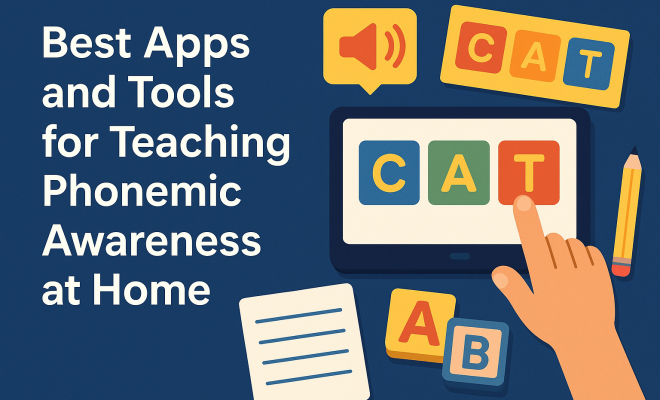
Phonemic awareness is the ability to hear, identify, and manipulate individual sounds—phonemes—in spoken words. It is a subset of phonological awareness and is crucial for learning to read in an alphabetic writing system. For example, the word “cat” consists of three phonemes: /k/, /æ/, and /t/. Being able to segment these sounds and blend them back together is a foundational skill that supports decoding and spelling.
Research has consistently shown that phonemic awareness is a strong predictor of later reading success. Children who struggle with phonemic awareness often find it challenging to learn to read, making it a pivotal area of focus during early literacy development. In fact, studies indicate that direct instruction in phonemic awareness can significantly improve reading outcomes for struggling readers, including those with dyslexia.
The Connection Between Dyslexia and Phonemic Awareness
The relationship between dyslexia and phonemic awareness is well-documented. Many individuals with dyslexia exhibit deficits in phonemic awareness, which contributes to their reading difficulties. This deficit may manifest in various ways, such as trouble blending sounds into words, segmenting words into sounds, or manipulating phonemes to create new words.
A study published in the journal Psychological Science revealed that children with dyslexia are often less adept at tasks involving phonemic manipulation compared to their typically developing peers. This finding underscores the necessity of incorporating phonemic awareness training into reading instruction for children diagnosed with dyslexia.
How Phonemic Awareness Affects Reading Skills
Reading involves several interrelated processes, including decoding (the ability to translate text into speech) and comprehension (the ability to understand and interpret what is read). Phonemic awareness is a crucial first step in the decoding process. Without the ability to recognize and manipulate sounds, a child may struggle to connect letters to their corresponding sounds, leading to difficulties in recognizing words.
This challenge can create a domino effect. A child who struggles with decoding may begin to dislike reading, which can lead to decreased practice and further deterioration of reading skills. This cycle can be particularly pronounced in children with dyslexia, as they may feel a sense of defeat when faced with reading tasks.
Identifying Dyslexia in Children
Early identification of dyslexia is essential for effective intervention. Parents and educators should be vigilant for signs that might indicate a child has dyslexia. Some common indicators include:
- Difficulty recognizing and manipulating sounds in spoken language
- Struggles with spelling and writing
- Delayed language development
- Difficulty learning the names of letters and their sounds
- Challenges with reading fluency and comprehension
- Avoidance of reading activities
If a child exhibits these signs, early screening can provide valuable insights. Educational professionals often utilize tools like phonemic awareness assessments to better understand a child’s strengths and weaknesses. (See: National Institutes of Health on dyslexia.)
Intervention Strategies for Dyslexia and Phonemic Awareness
When it comes to supporting children with dyslexia, targeted interventions focusing on phonemic awareness can yield impressive results. Here are some effective strategies:
- Direct Instruction: Structured phonics programs that focus on teaching phonemic awareness explicitly can help children connect sounds with letters and improve their reading skills.
- Multi-sensory Approaches: Programs like Orton-Gillingham utilize visual, auditory, and kinesthetic learning styles to reinforce phonemic awareness. For example, children might use letter tiles to physically manipulate sounds.
- Small Group Instruction: Providing additional support through small group settings enables educators to tailor instruction to meet individual needs while fostering a supportive learning environment.
- Frequent Practice: Regular engagement in phonemic awareness activities—such as sound matching games or rhyming exercises—can help reinforce skills.
- Use of Technology: Educational apps that target phonemic awareness can provide interactive and engaging ways for children to practice their skills.
Research indicates that these interventions can lead to significant improvements in reading skills for children with dyslexia when applied consistently and systematically.
The Importance of Teacher Training
Educators play a crucial role in the successful identification and intervention of dyslexia. However, many teachers may not have received adequate training regarding dyslexia and phonemic awareness. Professional development programs that focus on the science of reading and effective intervention strategies are vital. By equipping teachers with the knowledge and tools to teach phonemic awareness effectively, schools can create a more supportive environment for students with reading difficulties.
In addition to training, collaboration among educators, special education professionals, and parents is essential. A shared understanding of a child’s needs can lead to more effective interventions and a cohesive approach to supporting literacy development.
The Role of Parents in Supporting Phonemic Awareness
Parents can be powerful allies in helping their children develop phonemic awareness. Here are some strategies for parents to implement:
- Read Aloud: Regularly reading aloud to children exposes them to language patterns and sounds, fostering an early appreciation for the phonetic elements of words.
- Engage in Word Play: Encouraging children to play with sounds through rhyming games, alliteration, and sound manipulation can help strengthen phonemic awareness.
- Utilize Everyday Opportunities: Everyday moments, like during car rides or while shopping, can be used to practice phonemic skills. For example, parents can ask their child to identify the sounds in different words.
- Seek Support: If there are concerns about a child’s reading development, parents should advocate for assessments and interventions at school.
When parents actively engage in their child’s literacy journey, they can make a significant impact on their phonemic awareness and overall reading success.
Current Relevance and Future Trends in Dyslexia Research
The understanding of dyslexia and the importance of phonemic awareness continues to evolve. Recent research highlights the significance of early intervention and the need for comprehensive literacy programs that address the specific needs of children with dyslexia. A focus on inclusive teaching practices that acknowledge diverse learning profiles is becoming more prevalent.
Additionally, advancements in technology are providing new avenues for intervention. From apps that reinforce phonemic skills to online platforms offering tailored reading exercises, the digital landscape is opening up possibilities that were previously unimaginable. However, while technology can be a valuable tool, it should complement, rather than replace, direct instruction and personal engagement.
Deepening the Understanding of Phonemic Awareness
To truly grasp the significance of phonemic awareness in reading, it’s essential to analyze its components. Phonemic awareness encompasses several skills, including phoneme isolation, phoneme identity, phoneme categorization, phoneme blending, and phoneme segmentation. Each of these skills plays a unique role in helping children decode words and understand their meanings.
Phoneme Isolation
This is the ability to isolate individual sounds in words. For instance, in the word “dog,” a child might identify the initial sound /d/. Mastering this skill helps children recognize the building blocks of words.
Phoneme Identity
Phoneme identity involves recognizing the same sounds in different words. For example, a child may hear the /m/ sound in “man,” “mat,” and “map,” helping them connect sounds across various words.
Phoneme Categorization
This skill enables children to identify which word in a set does not belong. For example, in the group “cat,” “car,” and “dog,” the child should recognize that “dog” does not start with the same sound. This categorization helps children develop critical thinking skills related to sound recognition.
Phoneme Blending
Blending is the ability to combine individual phonemes to form a word. For example, when given the sounds /c/, /a/, and /t/, a child should be able to blend them to say “cat.” This skill is crucial for reading fluency. (See: CDC on reading and child development.)
Phoneme Segmentation
Segmentation is the reverse of blending. It involves breaking down words into their constituent phonemes. For instance, the word “ship” can be segmented into /ʃ/, /ɪ/, and /p/. Strong segmentation skills are vital for spelling.
Statistics on Dyslexia and Phonemic Awareness
Understanding dyslexia phonemic awareness through statistics can provide insight into its prevalence and impact. Studies indicate that:
- Approximately 70-80% of individuals with dyslexia show a significant deficit in phonemic awareness.
- Research suggests that children who receive phonemic awareness training can improve their reading skills by as much as 30% over a school year.
- Children with strong phonemic awareness skills are three times more likely to become proficient readers by the end of third grade compared to their peers with weak phonemic awareness.
Expert Perspectives on Dyslexia Phonemic Awareness
Experts in the field of education and psychology emphasize the critical role of phonemic awareness in addressing dyslexia. Dr. Sally Shaywitz, a leading researcher in dyslexia, notes that early identification and intervention are key to improving literacy outcomes. “If we can catch children early enough and give them the right tools, we can change their trajectory in literacy,” she says.
Additionally, Dr. Timothy Shanahan, an authority on reading education, advocates for structured literacy approaches that include phonemic awareness as a foundational component. He believes that all teachers should be equipped with the skills to teach phonemic awareness effectively, ensuring that every child has the opportunity to succeed in reading.
Frequently Asked Questions (FAQ)
What is the difference between phonological awareness and phonemic awareness?
Phonological awareness is a broader skill that includes the ability to recognize and manipulate larger units of sound, such as syllables and rhymes, while phonemic awareness specifically refers to the ability to recognize and manipulate individual phonemes in spoken words.
Can children with dyslexia improve their phonemic awareness skills?
Yes, with targeted instruction and practice, children with dyslexia can significantly improve their phonemic awareness skills. Early and consistent intervention is crucial for making meaningful progress.
At what age should phonemic awareness training begin?
Phonemic awareness training can begin as early as preschool, but it becomes increasingly important as children approach kindergarten. The earlier children develop these skills, the better their chances for reading success.
Are there specific programs designed to improve phonemic awareness in children with dyslexia?
Yes, numerous programs focus on phonemic awareness, including the Orton-Gillingham approach, Wilson Reading System, and Lindamood-Bell programs. Each of these methods provides structured, explicit instruction tailored to the needs of children with dyslexia.
What are some everyday activities to enhance phonemic awareness?
Parents and educators can engage children in rhyming games, sound matching activities, and songs that emphasize different sounds. Simple exercises like asking children to identify the first or last sound in words during daily conversations can also reinforce phonemic skills.
The Lifelong Impact of Phonemic Awareness
Phonemic awareness doesn’t just affect early reading skills; it has implications that extend far beyond elementary school. Children who develop strong phonemic awareness are more likely to continue improving their reading skills throughout their education. This foundation in phonemic awareness can support higher-level skills, including vocabulary development and reading comprehension.
As these children advance in their education, they often engage with more complex texts and diverse content areas. The skills gained from phonemic awareness training—like decoding unfamiliar words and understanding phonetic spelling—help them navigate new vocabulary in subjects like science, social studies, or literature, leading to greater academic success.
Long-Term Research Findings on Dyslexia Phonemic Awareness
Longitudinal studies have reinforced the importance of early phonemic awareness interventions. A report published by the National Reading Panel emphasizes that students who receive proper phonemic awareness training in their early schooling are likely to achieve better reading outcomes throughout their academic careers. The correlation between early phonemic training and later academic success is significant, suggesting that investing in these interventions not only supports immediate reading skills but also fosters a lifelong skill set.
Community Awareness and Support Resources
Raising awareness about dyslexia and the importance of phonemic awareness is critical in creating supportive environments for affected individuals. Community resources such as local dyslexia associations, online forums, and school workshops can provide valuable information and support for parents and educators.
Additionally, campaigns led by organizations like the International Dyslexia Association promote understanding and advocacy for those with dyslexia. These initiatives not only increase awareness of dyslexia phonemic awareness but also highlight successful practices and interventions that can be implemented in classrooms and homes.
Bridging Gaps in Literacy Education
Incorporating phonemic awareness training into the curriculum is essential for bridging the literacy gap for children with dyslexia. Schools should adopt comprehensive literacy frameworks that include phonemic awareness as a core component. These frameworks can help educators systematically address the diverse needs of their students, ensuring that each child receives the support necessary for reading success.
Additionally, schools can engage in partnerships with local universities or educational organizations to provide professional development and resources for teachers, ensuring they are equipped to teach phonemic awareness effectively.
Conclusion: Bridging the Gap in Reading Literacy
Understanding dyslexia and its connection to phonemic awareness is crucial in addressing the reading difficulties many children face. By focusing on early identification, targeted interventions, and collaborative efforts among educators, parents, and specialists, we can work to bridge the gap in literacy for children with dyslexia.
Moving forward, the emphasis should be on fostering environments where all children have the opportunity to develop strong reading skills. With continued research and advocacy, we can ensure that dyslexia phonemic awareness becomes a priority in educational practices, allowing every child to achieve their full potential in literacy.
“`
Trending Now
Frequently Asked Questions
What are the symptoms of dyslexia?
Symptoms of dyslexia can include difficulties with reading fluency, spelling, and writing. Individuals may struggle to recognize words, decode sounds, and comprehend text. These challenges are not indicative of intelligence, as those with dyslexia often have average or above-average cognitive abilities.
How does phonemic awareness relate to reading?
Phonemic awareness is essential for reading as it involves the ability to hear, identify, and manipulate sounds in words. This skill supports decoding and spelling, making it a critical factor in a child's ability to learn to read effectively.
Can dyslexia be diagnosed?
Yes, dyslexia can be diagnosed through a comprehensive evaluation by educational professionals or psychologists. This assessment typically includes tests of reading, spelling, and phonemic awareness to identify specific learning challenges.
What causes dyslexia?
Dyslexia is primarily neurobiological in origin, meaning it results from differences in how the brain processes written language. It is not caused by a lack of intelligence or effort, and it can run in families, indicating a genetic component.
What interventions are effective for dyslexia?
Effective interventions for dyslexia often include structured literacy programs that focus on phonemic awareness, phonics, and reading comprehension strategies. Early identification and tailored support can help individuals with dyslexia improve their reading skills significantly.
Agree or disagree? Drop a comment and tell us what you think.