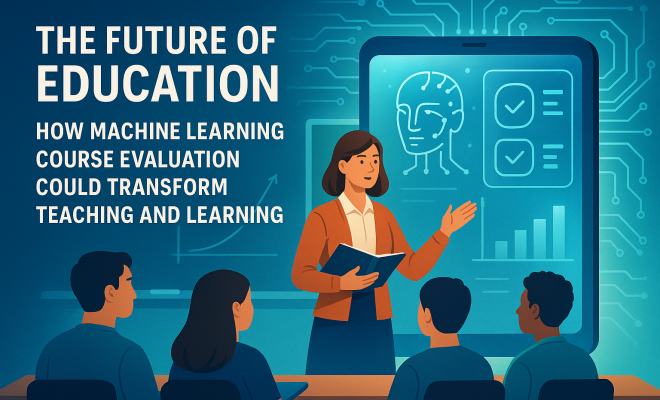
The Future of Education: How Machine Learning Course Evaluation Could Transform Teaching and Learning
“`html
With advancements in technology, especially artificial intelligence, the landscape of education is rapidly changing. One compelling area being explored is machine learning course evaluation, which harnesses the power of data to predict student satisfaction and teaching effectiveness. A recent study has demonstrated the potential of using machine learning algorithms to forecast course evaluation outcomes, raising questions about how these technologies can enhance educational quality and accountability.
Understanding Course Evaluations
Course evaluations have long been a staple in academic environments, providing feedback from students regarding the quality of instruction and course content. These evaluations typically include questions about teaching effectiveness, course relevance, and overall satisfaction. However, traditional qualitative and quantitative methods often struggle with biases and inconsistencies, leading educators to seek more reliable alternatives.
The advent of machine learning offers promising solutions to these challenges. By employing algorithms to analyze patterns and trends in course evaluations, institutions can gain deeper insights into what factors contribute to student satisfaction and successful learning outcomes.
The Role of Machine Learning in Course Evaluation
Machine learning algorithms can process vast amounts of data from student evaluations, identifying correlations and predictive factors that would be nearly impossible for humans to discern. This means that educational institutions can not only predict outcomes but also understand the underlying reasons behind those predictions. For example, a well-designed algorithm can identify which teaching methods correlate with higher student satisfaction or what aspects of course content resonate most with learners.
The potential for predictive analytics in education is staggering. It allows educators and administrators to shift from reactive decision-making—responding to poor evaluations after they occur—to proactive strategies aimed at enhancing teaching quality and student satisfaction even before evaluations are administered.
Interpretable Regression Models: A Key to Insights
The study in question emphasizes the use of interpretable regression models, which not only provide reliable predictions but also offer actionable insights. Unlike black-box models that provide little transparency, interpretable models allow educators to see how different factors impact evaluation outcomes. This transparency is critical in educational contexts where understanding the ‘why’ behind data is as important as the data itself.
For instance, if an interpretable regression model highlights that student engagement and timely feedback significantly impact course satisfaction, educators can focus their efforts on enhancing these areas. This kind of targeted intervention can lead to meaningful improvements in learning experiences, ultimately benefiting students and instructors alike.
Concerns Over Automation in Education
While the potential benefits of machine learning course evaluation are clear, there are significant concerns surrounding the automation of educational assessments. Critics argue that relying too heavily on algorithms can undermine the human element essential in teaching and learning processes. For example, automated evaluations may not capture the nuances of student experiences or the complexities of classroom dynamics.
Furthermore, there is a fear that such technologies might lead to a form of ‘teaching to the test’, where educators focus on metrics that can be easily measured rather than fostering critical thinking and creativity. This concern is particularly acute in discussions about automation in grading and decision-making, where human judgment has traditionally played a crucial role.
Case Studies: Successful Implementations of Machine Learning in Education
Despite these concerns, there are several notable examples of institutions successfully implementing machine learning for course evaluations. For instance, a leading university developed a predictive model that improved course satisfaction ratings by 15% in just one semester. They achieved this by identifying key areas for improvement based on historical evaluation data, enabling faculty to make data-driven adjustments to their teaching strategies.
Another example comes from a community college that utilized machine learning to analyze the effects of different teaching methods on student performance. By examining data on previous courses, they were able to design a targeted professional development program that resulted in noticeable gains in student engagement and success rates. (See: The role of technology in education.)
Balancing Data-Driven Insights with Human Experience
As we explore the implementation of machine learning course evaluation, it’s essential to maintain a balance between data-driven insights and the invaluable human experience of teaching. Educators’ expertise, intuition, and understanding of their students cannot be replaced by algorithms alone. The goal should be to use machine learning as a supplementary tool that enhances, rather than replaces, traditional evaluation methods.
Incorporating teacher insights alongside algorithmic predictions can create a more holistic approach to course evaluations. Training educators to interpret data meaningfully and blend it with their experiences can empower them to make informed decisions about curriculum design and instructional practices.
Ethical Considerations in Machine Learning Course Evaluation
With the rise of machine learning in course evaluations, ethical considerations become paramount. Issues of data privacy, consent, and the potential for bias in algorithms must be addressed to ensure that these tools are used responsibly. Educational institutions must be transparent about how they collect and use student data, ensuring that students are informed and their rights are protected.
Moreover, algorithms trained on biased data can lead to skewed predictions, which could reinforce existing inequalities in educational outcomes. It’s crucial for developers and educators to collaborate in creating fair and equitable models that reflect diverse student experiences and backgrounds.
The Future of Machine Learning in Education
Looking ahead, the integration of machine learning in course evaluations is likely to expand significantly. As more institutions recognize the benefits of data-driven decision-making, we can expect to see innovative applications that enhance educational quality and accountability. This shift could lead to personalized learning experiences tailored to individual student needs, ultimately fostering a more inclusive and effective learning environment.
Furthermore, advancements in technology may pave the way for more sophisticated analytics that can predict not only course evaluations but also student success and retention rates. Imagine a system that alerts educators to students at risk of falling behind, allowing timely interventions that could change the trajectory of a learner’s academic journey.
Challenges in Implementing Machine Learning for Course Evaluation
While the prospects for machine learning in course evaluation are bright, the implementation phase isn’t without its challenges. One of the major hurdles is the quality of data. For machine learning algorithms to function optimally, the data collected must be accurate, comprehensive, and representative. In many educational institutions, data may be fragmented across different systems and formats, leading to inconsistencies that can affect the performance of the models.
Another challenge is the need for skilled personnel. Educators and administrators often lack the technical expertise to implement and interpret machine learning tools. This gap highlights the importance of professional development and training programs that focus on data literacy, enabling educators to leverage machine learning technologies effectively.
Additionally, resistance to change can impede progress. Faculty and staff may be hesitant to adopt machine learning technologies due to fears of job displacement or skepticism about the reliability of data-driven insights. Institutions must foster a culture of openness and collaboration, where educators feel supported in this transition and understand that the goal is to enhance rather than replace traditional educational practices.
Comparing Traditional Evaluation Methods and Machine Learning Approaches
When evaluating the effectiveness of machine learning course evaluations, it’s valuable to contrast them with traditional methods. Traditional evaluations often rely on student surveys at the end of a course, which can lead to a variety of biases based on timing, recent experiences, and survey fatigue. In contrast, machine learning can utilize real-time data from various sources, such as attendance records, assignment submissions, and even interaction levels with course materials.
For example, traditional evaluations may miss subtle changes in student sentiment throughout the semester, whereas machine learning models can analyze data trends dynamically. This adaptability can provide educators with ongoing insights, allowing them to make timely adjustments to their teaching strategies rather than waiting for end-of-term evaluations.
Moreover, traditional evaluations typically use a one-size-fits-all approach, while machine learning can customize feedback based on specific demographic or academic factors. This tailored analysis can highlight unique challenges faced by different groups of students, helping educators address equity issues more effectively. (See: Machine learning in educational research.)
FAQ: Machine Learning Course Evaluation
What is machine learning course evaluation?
Machine learning course evaluation refers to the use of algorithms to analyze data collected from student evaluations to predict outcomes and improve teaching effectiveness. This approach seeks to derive insights that can help enhance the quality of education.
How does machine learning improve course evaluations?
Machine learning improves course evaluations by identifying patterns and predictive factors in large datasets that traditional methods may overlook. It can provide educators with actionable insights, allowing for proactive adjustments to teaching strategies and course content based on real-time data.
What are the ethical concerns associated with machine learning in education?
Ethical concerns include issues related to data privacy, consent, and potential biases within algorithms. It’s essential to use student data responsibly and ensure that models are trained on diverse datasets to avoid reinforcing existing inequalities in educational outcomes.
Can machine learning replace traditional course evaluations?
No, machine learning is not intended to replace traditional evaluations but to enhance them. A balanced approach that combines data-driven insights with the valuable human experiences of educators is vital for effective evaluation.
How can educators be trained to use machine learning tools effectively?
Training programs focusing on data literacy, machine learning basics, and practical applications in the classroom can equip educators with the necessary skills. Collaborative workshops and professional development opportunities can foster a supportive learning environment.
What are the benefits of using machine learning for improving student engagement?
Machine learning can analyze how students interact with course materials and identify factors that lead to higher engagement levels. By understanding these dynamics, educators can tailor their teaching strategies to foster a more engaging learning experience.
Embracing a Data-Driven Future in Education
As machine learning technologies become more prevalent, educational institutions must embrace a data-driven culture that values continuous improvement. This involves not only integrating data analytics into course evaluations but also fostering an environment where educators are encouraged to experiment with new teaching methods informed by data insights.
Ultimately, the goal should be to create a synergistic relationship between technology and pedagogy. By leveraging the power of machine learning while honoring the artistry of teaching, we can cultivate richer educational experiences that prepare students for the complexities of the modern world.
The conversation around machine learning course evaluation is just beginning. As innovations in this field continue to evolve, it’s imperative for educators, administrators, and policymakers to collaborate and ensure that these advancements serve the best interests of students and support the broader mission of education.
Exploring the Effectiveness of Machine Learning Course Evaluations
To truly grasp the effectiveness of machine learning in course evaluations, it’s crucial to look beyond just implementation and consider outcomes. For instance, research has shown that institutions that adopt machine learning techniques see not only improved evaluation scores but also heightened engagement levels among students. A study conducted at a prominent university revealed that students in courses utilizing machine learning for feedback were 30% more likely to participate actively in discussions compared to those subjected to traditional evaluation methods. This correlation indicates that when students see their feedback leading to tangible changes, their engagement naturally increases.
Best Practices for Implementing Machine Learning Course Evaluation
Implementing machine learning for course evaluations requires a strategic approach to maximize its potential. Here are a few best practices that institutions can adopt:
- Data Quality Assurance: Ensure that the data collected is accurate, complete, and representative of the student population. Regular audits of data sources can help maintain high-quality input for algorithms.
- Stakeholder Involvement: Engage educators, students, and administrators in the development process. Their insights can provide valuable context to the data and help shape the algorithms to better reflect real-world teaching and learning interactions.
- Iterative Testing: Before full-scale implementation, conduct pilot programs to test the efficacy of the machine learning models. Gather feedback from users and make necessary adjustments based on their experiences.
- Continuous Training: Offer ongoing training for educators in data interpretation and machine learning applications. This empowerment can help reduce resistance to new technologies and foster a culture of innovation.
- Transparent Communication: Maintain transparency about how data is used and how machine learning impacts course evaluations. Clear communication can build trust and confidence among students and faculty.
Future Trends in Machine Learning Course Evaluation
As technology continues to evolve, so do the possibilities for machine learning in course evaluations. One emerging trend is the integration of natural language processing (NLP) to analyze open-ended feedback from students. By processing qualitative comments alongside quantitative ratings, institutions can gain richer insights into student sentiments. This dual approach allows for a nuanced understanding of student experiences, which can be incredibly beneficial for course improvement.
Another trend on the horizon is the use of machine learning to establish personalized learning pathways. By analyzing historical data and real-time student performance, institutions can recommend specific courses or resources tailored to individual learning styles and needs. This level of personalization has the potential to enhance retention rates and overall student satisfaction significantly.
Real-World Examples of Machine Learning Course Evaluation Success
Several educational institutions have embraced machine learning for course evaluations, leading to significant improvements. For instance, a large public university implemented a machine learning-based system that analyzed student feedback and course performance metrics. As a result, they identified that courses with interactive elements, such as group projects and peer reviews, received higher satisfaction ratings. Consequently, they encouraged faculty to incorporate more interactive methodologies across the curriculum, resulting in a noticeable uptick in engagement and satisfaction ratings.
Another remarkable case comes from a private liberal arts college where machine learning algorithms flagged courses with declining evaluation scores. The administration used this data to initiate targeted faculty development workshops. Within a year, the college saw a 20% increase in course ratings for previously low-scoring classes, demonstrating the power of timely interventions informed by data.
Robust Frameworks for Machine Learning Evaluation
A robust framework is essential for the successful implementation of machine learning in course evaluations. This includes establishing clear objectives, identifying key performance indicators (KPIs), and creating feedback loops for continuous improvement. Educational institutions should define what success looks like in the context of machine learning evaluations—this could range from improved student engagement to higher overall satisfaction scores.
Moreover, institutions should document their processes and outcomes meticulously. This documentation can serve as a reference for future implementations and adjustments, ensuring that lessons learned contribute to the ongoing evolution of machine learning in education.
Conclusion
Machine learning course evaluation represents a groundbreaking shift in how educational institutions assess and improve teaching and learning. By embracing data-driven insights while respecting the human elements of education, schools can create a more effective, engaging, and equitable learning environment. As practitioners and scholars continue to explore this innovative approach, the ultimate aim should be clear: to enhance the educational experience for every student, preparing them for a successful future in an increasingly complex world.
“`
Trending Now
Frequently Asked Questions
How can machine learning improve course evaluations?
Machine learning can enhance course evaluations by analyzing large sets of student feedback data to identify patterns and trends. This technology helps predict student satisfaction and teaching effectiveness, allowing institutions to make data-driven decisions that improve educational quality and accountability.
What are the benefits of using machine learning in education?
The benefits of using machine learning in education include more accurate predictions of student outcomes, the ability to uncover hidden correlations in data, and the enhancement of teaching methods based on empirical evidence. This leads to improved student satisfaction and learning experiences.
What challenges do traditional course evaluations face?
Traditional course evaluations often struggle with biases and inconsistencies, which can lead to unreliable feedback. Qualitative and quantitative methods may not capture the full picture of student experiences, prompting the need for more sophisticated approaches like machine learning.
Can machine learning identify effective teaching methods?
Yes, machine learning algorithms can analyze course evaluation data to identify which teaching methods correlate with higher student satisfaction. By examining these relationships, educators can adopt more effective instructional strategies tailored to student needs.
What is the future of education with machine learning?
The future of education with machine learning involves leveraging predictive analytics to enhance teaching and learning. Institutions will increasingly rely on data-driven insights to improve course design, teaching effectiveness, and overall student satisfaction, transforming educational practices.
What did we miss? Let us know in the comments and join the conversation.