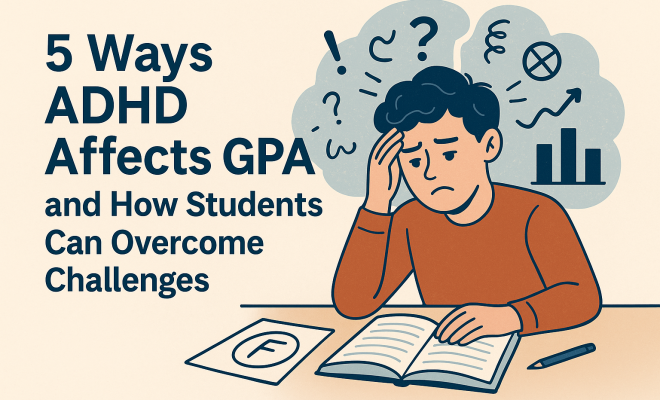
5 Ways ADHD Affects GPA and How Students Can Overcome Challenges
“`html
Understanding ADHD: A Brief Overview
Attention Deficit Hyperactivity Disorder (ADHD) is a neurodevelopmental disorder characterized by persistent patterns of inattention, hyperactivity, and impulsivity. It affects both children and adults, although many individuals are diagnosed in childhood. Statistics reveal that approximately 5% of the global population has ADHD, with symptoms often impacting various aspects of life, including academic performance.
For students, ADHD can present significant challenges in managing their studies and maintaining a high GPA. Understanding how ADHD influences academic performance is crucial for students, educators, and parents alike. By recognizing the challenges faced by those with ADHD, we can develop strategies to help them succeed in their educational pursuits.
The Connection Between ADHD and Academic Performance
Research indicates that students with ADHD often struggle with critical aspects of learning, such as organization, time management, and attention span. These issues can directly impact a student’s GPA. Grades are typically reflective of a student’s ability to complete assignments on time, participate in class, and perform well on exams—all areas that can be particularly challenging for someone with ADHD.
According to various studies, students with ADHD are at a higher risk of academic underachievement. One study published in the journal Pediatrics found that children with ADHD had lower GPAs than their peers without the disorder. The gap might widen in high school, where the demands of coursework increase, making it even harder for students with ADHD to keep up.
Common Challenges Faced by Students with ADHD
Students with ADHD often face a unique set of challenges that can hinder their academic success:
- Inattention: Difficulty focusing on lectures or assignments can lead to missed information and incomplete work.
- Impulsivity: Acting without thinking can result in poor decision-making, like rushing through assignments or interrupting others during discussions.
- Hyperactivity: Excessive restlessness can make it hard to sit still during class or concentrate on tasks.
- Executive Dysfunction: Challenges with organization, planning, and prioritizing can make it difficult to manage time effectively.
These challenges can lead to increased frustration and anxiety, which further complicates the learning process. Understanding these common hurdles is the first step toward finding solutions.
Impact of ADHD on GPA: A Closer Look
The impact of ADHD on GPA is not merely anecdotal; various studies highlight the quantitative differences in academic performance. For instance, research has shown that students with ADHD may score 1.5 to 2 standard deviations below their peers without the disorder, indicating a significant gap in academic achievement.
Furthermore, the ramifications of low GPA can extend beyond academics. Students with lower GPAs may face increased risk of dropping out, limited college options, and even emotional distress. Addressing the link between ADHD and GPA requires understanding the various factors at play, from institutional support systems to personal resilience.
Effective Strategies for Students with ADHD
While ADHD presents challenges, there are numerous strategies that students can employ to improve their academic performance:
1. Establishing Routines
Creating a consistent daily routine can help students with ADHD manage their time better. Structured schedules reduce uncertainty and help students allocate time effectively for homework, studying, and leisure activities. For example, a student might set aside specific blocks of time each afternoon for homework and stick to that schedule as closely as possible. (See: ADHD facts from the CDC.)
2. Utilizing Organizational Tools
Leveraging tools like planners, calendars, and digital apps can help students stay organized. These tools can serve as reminders for assignments and deadlines, making it easier to prioritize tasks. For instance, using a color-coded planner can visually differentiate between subjects and deadlines, providing a clearer overview of what needs to be accomplished.
3. Seeking Support
Students should not hesitate to seek support from teachers, counselors, or ADHD coaches. Many educational institutions offer resources specifically designed for students with ADHD, including tutoring, counseling, and workshops. Engaging in open dialogue with educators can also lead to accommodations, such as extended testing time or modified assignments.
4. Exploring Therapy Options
Cognitive Behavioral Therapy (CBT) has shown promise for helping students with ADHD manage their symptoms more effectively. CBT can provide coping strategies, improve organizational skills, and reduce anxiety. Additionally, medication may be an option for some students, but it requires careful consultation with healthcare professionals.
5. Developing Study Skills
Effective study skills such as active reading, summarization, and self-testing can enhance comprehension and retention. Techniques like the Pomodoro Technique (working in focused bursts followed by short breaks) can help improve concentration and reduce feelings of overwhelm.
Institutional Support: What Schools Can Do
Educational institutions play a vital role in supporting students with ADHD. Effective support systems can include:
- Individualized Education Plans (IEPs): These plans tailor educational approaches to meet the unique needs of students with ADHD.
- Teacher Training: Educators should receive training on ADHD and its impact on learning to create understanding and equitable classroom environments.
- Flexible Class Structures: Schools can implement flexible schedules and classroom designs that cater to the needs of students with ADHD.
When schools take proactive steps to create inclusive environments, students with ADHD are likelier to thrive academically.
The Role of Family Support
Family support can have a transformative effect on a student’s academic journey. Open communication, understanding, and validation can significantly reduce the emotional burden faced by students with ADHD. Families can help by:
- Encouraging the development of routines at home.
- Assisting in organizational tasks, like maintaining a homework tracker.
- Participating in school meetings and advocating for necessary accommodations.
By fostering a supportive home environment, families can empower students with ADHD to become more independent and confident learners.
The Importance of Self-Advocacy
Learning to advocate for oneself is a critical skill for students with ADHD. Self-advocacy involves understanding one’s strengths and weaknesses and communicating needs effectively. Students can practice self-advocacy by:
- Recognizing specific challenges and discussing them with teachers.
- Requesting accommodations that can aid their learning process.
- Participating in support groups for students with ADHD.
By developing self-advocacy skills, students can take an active role in their education and cultivate a sense of agency.
Current Trends: ADHD Awareness and Education
In recent years, there has been a growing awareness of ADHD and its impacts on education. Schools and communities are increasingly focusing on creating inclusive environments that accommodate students with diverse learning needs. This shift is evident in the increased availability of resources, training for educators, and advocacy efforts by organizations dedicated to supporting individuals with ADHD. (See: National Institute of Health on ADHD.)
Moreover, technology is playing a pivotal role in helping students with ADHD manage their studies effectively. Apps designed for time management, organization, and study aids are becoming more widely used, providing valuable support for students navigating academic challenges.
FAQs About ADHD and GPA
1. Can students with ADHD achieve a high GPA?
Absolutely! While ADHD can present challenges, many students with ADHD have successfully achieved high GPAs. With the right strategies and support systems in place, students can excel academically.
2. What types of accommodations can help students with ADHD?
Accommodations can vary, but common ones include extended test-taking time, preferential seating, access to note-takers, and the option to complete assignments in a quiet environment. Each student’s needs are unique, so it’s important to tailor accommodations accordingly.
3. Are there specific study techniques that work better for students with ADHD?
Yes! Techniques such as breaking tasks into small chunks, using visual aids, and employing active learning strategies can be very effective. The Pomodoro Technique is particularly helpful, allowing for focused study periods followed by short breaks.
4. How can teachers support students with ADHD in the classroom?
Teachers can support these students by implementing varied teaching strategies, providing clear and concise instructions, and fostering a supportive classroom environment. Regular check-ins and flexibility in assignments can also be beneficial.
5. Is ADHD medication necessary for academic success?
Medication can be an effective tool for some students, but it’s not the only option. Many students thrive with behavioral strategies, therapy, and support systems in place. It’s essential to consult healthcare professionals for guidance on whether medication is the right choice.
The Intersection of ADHD and Mental Health
It’s important to recognize that ADHD often coexists with other mental health issues, such as anxiety and depression. The stress of managing ADHD symptoms can exacerbate these conditions, further complicating a student’s academic performance and GPA. Understanding this intersection is vital for a holistic approach to education and support.
Statistics on ADHD and Co-occurring Disorders
Research indicates that up to 60% of individuals with ADHD may also experience some form of anxiety disorder. Furthermore, studies suggest that the rates of depression among students with ADHD can be significantly higher than their peers. Recognizing and addressing these co-occurring conditions can dramatically influence academic outcomes.
The Role of Tutors and Mentors
Engaging with tutors or mentors who understand ADHD can provide personalized guidance and support. These professionals can tailor their approach to suit the student’s learning style, making the educational experience more effective. This one-on-one attention helps in breaking down complex subjects, fostering understanding and retention.
Innovative Teaching Methods and ADHD
Educators are increasingly adopting innovative teaching methods that cater to diverse learning styles. Techniques like gamification, project-based learning, and interactive lessons can capture students’ attention and make learning more engaging for those with ADHD. For example, a history lesson might include role-playing as historical figures, which not only makes the subject more relatable but also keeps students actively involved.
Successful Case Studies: Students Who Overcame ADHD Challenges
There are numerous inspiring stories of students with ADHD who have overcome challenges to achieve academic success. For instance, a student named Sarah struggled with her GPA during her early high school years. By utilizing a combination of therapy, medication, and a supportive family, she transformed her study habits and raised her GPA from a C average to straight A’s in less than a year. Sarah’s story highlights the importance of a multi-faceted approach to education and support.
Looking to the Future: Advocacy and Policy Changes
As awareness and understanding of ADHD continue to grow, advocacy efforts are essential. There are ongoing initiatives aimed at improving education policies to better support students with ADHD. These include lobbying for increased funding for mental health resources in schools, promoting awareness campaigns, and pushing for changes in curriculum design that accommodate diverse learning needs.
Understanding the Role of Assessments
Standardized testing can pose additional challenges for students with ADHD. Often, these assessments do not take into account the unique difficulties that ADHD students face. High-pressure environments, timed tests, and rigid formats can lead to poor performance, which does not accurately reflect a student’s knowledge or capabilities. Some states have begun to recognize these challenges and are exploring alternative assessment methods that provide a more comprehensive evaluation of a student’s abilities.
Lifetime Implications of ADHD on Academic and Career Success
ADHD doesn’t just influence academic performance; it can also have lasting effects on career success and personal well-being. Studies have shown that adults with ADHD often experience job instability, lower income levels, and difficulties in maintaining employment. The skills learned in school—time management, organization, perseverance—are vital for career advancement. Therefore, fostering support and effective strategies for students with ADHD is critical not only for their academic success but also for their future professional lives.
The Role of Peer Support
Building a support network among peers can be incredibly beneficial for students with ADHD. Participating in study groups, joining clubs, or simply having friends who understand their challenges can provide emotional support and make academic tasks feel less isolating. These relationships can encourage accountability and motivation, which are essential for maintaining focus and improving GPA.
Technology as a Learning Ally
Advancements in technology have significantly changed the landscape of education, offering unique tools that cater to the needs of students with ADHD. From apps that help with time management to online platforms that provide interactive learning experiences, technology can serve as a powerful ally. For example, platforms like Khan Academy not only allow students to learn at their own pace but also provide instant feedback, which can be particularly beneficial for those with ADHD who may struggle with traditional learning environments.
The Path Forward
Understanding the relationship between ADHD and GPA is crucial for creating an educational landscape that fosters success for all students. By recognizing the challenges faced by those with ADHD and implementing targeted strategies, both students and educational institutions can work together to improve academic outcomes. With the right support, students with ADHD can thrive, not just academically, but in all areas of their lives. As awareness continues to grow, the potential for change and improvement is greater than ever.
“`
Trending Now
Frequently Asked Questions
How does ADHD affect academic performance?
ADHD can significantly impact academic performance by causing difficulties in organization, time management, and maintaining attention. These challenges often lead to lower GPAs as students may struggle with completing assignments, participating in class, and performing well on exams.
What are the common challenges faced by students with ADHD?
Students with ADHD often encounter challenges such as inattention, which makes it hard to focus on lectures, and impulsivity, leading to poor decision-making. These issues can hinder their academic success and contribute to lower GPAs.
Can students with ADHD improve their GPA?
Yes, students with ADHD can improve their GPA by implementing strategies such as creating structured schedules, using organizational tools, seeking support from educators, and developing effective study habits tailored to their learning needs.
What percentage of students have ADHD?
Approximately 5% of the global population has ADHD, and many individuals are diagnosed during childhood. This prevalence indicates that a significant number of students may face academic challenges related to this disorder.
How can parents help their children with ADHD succeed academically?
Parents can support children with ADHD by fostering a structured environment, encouraging open communication about challenges, helping them develop time management skills, and collaborating with teachers to create customized learning strategies.
Have you experienced this yourself? We’d love to hear your story in the comments.