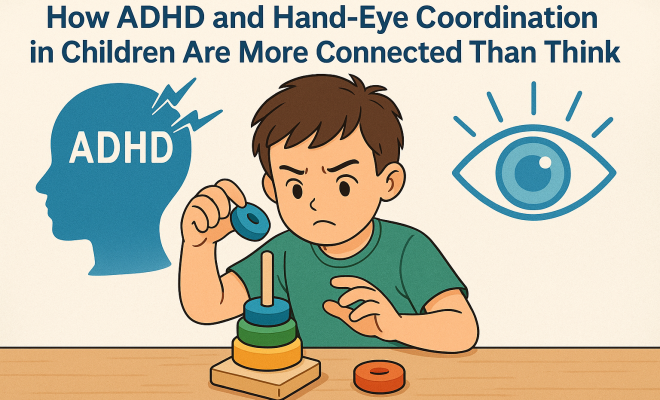
How ADHD and Hand-Eye Coordination in Children Are More Connected Than You Think
“`html
As parents, educators, or caregivers, understanding the challenges and nuances of childhood development is a vital part of fostering healthy growth. Among the myriad of developmental concerns, one topic that often raises eyebrows is the connection between ADHD and hand-eye coordination in children. While attention deficit hyperactivity disorder (ADHD) is commonly associated with issues like inattention, hyperactivity, and impulsive behavior, less is discussed about its potential impact on fine motor skills, such as hand-eye coordination.
Understanding ADHD: A Brief Overview
ADHD is classified as a neurodevelopmental disorder, primarily affecting children but often persisting into adulthood. The CDC estimates that approximately 6.1 million children in the United States have been diagnosed with ADHD. Symptoms can vary significantly from one child to another, but broadly, they fall into two categories: inattention and hyperactivity-impulsivity.
Children with ADHD may struggle to maintain focus on tasks, follow instructions, or stay organized. This can lead to challenges in school settings, impacting their academic performance. Hyperactive behaviors can manifest as excessive fidgeting, difficulty remaining seated, or interrupting conversations. These symptoms can profoundly influence a child’s social interactions and self-esteem, leading to a complex tapestry of challenges that caregivers need to navigate.
What is Hand-Eye Coordination?
Hand-eye coordination is a critical skill that involves the ability to use visual information to guide hand movements. It’s essential for numerous daily activities, from writing and drawing to playing sports. This skill develops as children grow, with foundational elements emerging in early childhood.
Developing good hand-eye coordination requires not only motor skills but also cognitive processes. Children must be able to visualize an action and coordinate their physical responses accordingly. This can include everything from catching a ball to hitting a target during a game. When a child struggles with hand-eye coordination, it can lead to frustration and a sense of inadequacy, particularly in social contexts where skills like sportsmanship or collaborative play are essential.
The Link Between ADHD and Hand-Eye Coordination
Research indicates that children with ADHD are more likely to experience difficulties with hand-eye coordination than their peers without the disorder. A study published in *Pediatrics* found that children diagnosed with ADHD displayed noticeable deficits in motor coordination, which can manifest as clumsiness or a decreased ability to perform tasks that require fine motor skills.
Moreover, the neurological underpinnings of ADHD may contribute to these challenges. ADHD is often associated with delays in brain development, particularly in areas responsible for executive function, attention, and motor control. This can result in decreased ability to plan and execute movements that require precise coordination. As a child attempts to concentrate on a task, the simultaneous need to coordinate their eye movements with hand actions can create a significant hurdle.
Specific Challenges Children Face
Children with ADHD may face a variety of specific challenges related to hand-eye coordination. These include:
- Slower Reaction Times: Children with ADHD may have slower processing speeds, making it more difficult to react quickly in situations requiring coordination.
- Difficulty with Complex Tasks: Tasks that require multiple steps or fine motor skills—like tying shoes or writing—can be particularly daunting.
- Low Self-Esteem: Struggles with coordination can lead to feelings of inadequacy, particularly in environments such as sports or art classes where physical skills are highlighted.
- Increased Frustration: Frequent challenges can lead to heightened frustration or anger, affecting a child’s willingness to engage in activities that require coordination.
The interplay between ADHD symptoms and hand-eye coordination struggles can create a compounding effect, making it essential for parents and educators to recognize and address these challenges proactively.
Why It Matters: Real-World Implications
Understanding the correlation between ADHD and hand-eye coordination in children has significant implications for how we approach education and support for young learners. For instance, children who struggle with coordination may find physical education classes particularly overwhelming. This can lead to avoidance of sports and active play, which are crucial for physical health and social development.
Moreover, the academic environment can become a source of stress. Tasks like writing or completing worksheets may become fraught with challenges, impacting overall performance and engagement in school. This can perpetuate a negative cycle of underachievement and behavioral issues, as children with ADHD often feel misunderstood or marginalized. (See: CDC ADHD facts and statistics.)
Strategies for Support
Fortunately, there are numerous strategies that parents and educators can employ to support children struggling with ADHD and hand-eye coordination issues:
- Encourage Physical Activity: Regular physical activity is essential for all children, but especially for those with ADHD. Activities that promote coordination, such as swimming, martial arts, or team sports, can be beneficial.
- Focus on Fine Motor Skills: Engaging in activities that enhance fine motor skills—like playing with clay, drawing, or using scissors—can help improve hand-eye coordination over time.
- Use Visual Aids: Visual supports can help children understand tasks better. For example, using graphic organizers can break down complex instructions into manageable steps.
- Provide Positive Reinforcement: Celebrate small successes and improvements in coordination. Positive reinforcement can help boost self-esteem and motivate children to keep trying.
It’s also vital for parents and caregivers to foster open communication. Discussing challenges and celebrating achievements can help children feel more comfortable expressing their frustration and seeking help when needed.
Professional Interventions and Assessments
For some children, professional assessment and intervention may be necessary. Occupational therapists can provide tailored exercises to help improve hand-eye coordination, while psychologists or counselors can offer support for the emotional and behavioral aspects associated with ADHD.
Evaluations might involve standardized tests to assess motor skills and coordination. These evaluations help in creating a tailored intervention plan, ensuring that children receive the specific support they need to flourish.
Parental Involvement and Advocacy
As a parent, it’s essential to become an advocate for your child. Understanding ADHD and its implications on hand-eye coordination can empower you to seek the necessary resources and support systems. Regular communication with teachers and healthcare providers is key. Sharing observations about your child’s behaviors can lead to a more holistic approach to their education and well-being.
Joining support groups can also be beneficial. Connecting with other parents who face similar challenges can provide insight, encouragement, and practical advice. Building a network of support can make a world of difference in navigating the complexities of ADHD and its impact on development.
Current Research and Future Directions
The link between ADHD and hand-eye coordination remains an area of active research. Ongoing studies aim to unravel the complexities of how these two aspects influence one another. Recent advances in neuroimaging techniques are providing deeper insights into the brain functions associated with both ADHD and motor skills.
Future research may focus on identifying specific interventions that can effectively enhance coordination in children with ADHD. Understanding the unique neurological profiles of these children could also lead to tailored educational programs and therapies that address their specific needs more effectively.
Understanding the Brain: Neurological Insights
The relationship between ADHD and hand-eye coordination can be better understood through the lens of neuroscience. Studies have indicated that children with ADHD may have atypical brain structure and function, particularly in regions like the prefrontal cortex, which is crucial for executive functions such as planning, attention, and impulse control. These areas are intricately involved in motor control as well.
Neuroimaging studies have shown that children with ADHD often have reduced activation in the motor cortex when performing tasks that require coordination. This can manifest in observable behaviors, such as difficulty catching a ball or using tools effectively. Understanding this neurological basis can help caregivers and educators tailor their approaches to support these children more effectively.
Building Coordination Skills Through Play
One of the most effective ways to improve hand-eye coordination in children is through play. Play is not just a source of entertainment; it’s a critical avenue for learning and developing motor skills. Engaging in sports, video games, or even simple backyard activities can significantly enhance coordination.
For example, activities like juggling or playing catch can be both fun and beneficial. These activities require children to track moving objects visually and coordinate their hand movements, thereby improving their hand-eye coordination. Encouraging participation in such activities can foster confidence and increase physical competence, which can, in turn, enhance social skills and emotional well-being. (See: NIH ADHD overview and research.)
Technology and Coordination: The Role of Video Games
Interestingly, modern technology can also play a role in improving hand-eye coordination. Some video games, especially those that require fast reflexes and precision, can enhance these skills. Games that involve catching or hitting targets can train the brain to react more quickly and accurately.
However, moderation is key. Parents should encourage a balanced approach to technology use, ensuring that video gaming does not replace physical activity but rather complements it. Combining video games with outdoor play can create a well-rounded developmental experience for children with ADHD.
Common Myths About ADHD and Hand-Eye Coordination
There are several myths surrounding ADHD that can perpetuate misunderstanding and stigma. One common myth is that children with ADHD are simply “lazy” or “not trying hard enough.” In reality, the neurological differences associated with ADHD mean that children are often working much harder than their peers to achieve the same outcomes.
Another myth is that hand-eye coordination issues are solely a result of lack of practice or effort. While practice is important, the neurological factors at play mean that coordination difficulties may stem from brain development rather than just physical ability.
FAQ Section
What are some signs of poor hand-eye coordination in children with ADHD?
Signs can include difficulty catching or throwing a ball, trouble with writing or drawing, clumsiness, or frequently dropping objects. They may also struggle with tasks like buttoning shirts or using utensils.
How can I help my child improve their hand-eye coordination?
Engage them in various activities that promote coordination, such as playing sports, drawing, or even video games that require precision. Encouraging them to practice fine motor skills through crafts or building activities can also be beneficial.
Are there specific sports that are better for children with ADHD?
Sports that require quick decision-making and movement, such as martial arts, swimming, or team sports like soccer or basketball, can be especially helpful. These activities not only improve coordination but also channel energy positively.
What role does diet play in managing ADHD symptoms?
A balanced diet can positively affect ADHD symptoms. Nutritional deficiencies can exacerbate symptoms, so ensuring children have the right vitamins and minerals is essential for overall brain health.
Can therapy help with hand-eye coordination issues?
Yes, occupational therapy can provide targeted strategies and exercises to improve coordination. Therapists can work with children to develop tailored plans that address both motor skills and any emotional challenges that may arise.
How can I find resources for my child with ADHD?
Many organizations provide resources and support for families dealing with ADHD. Websites like CHADD (Children and Adults with Attention-Deficit/Hyperactivity Disorder) offer valuable information, including local resources, support groups, and educational materials. Additionally, consulting with your child’s pediatrician or school counselor can lead to helpful resources tailored to your child’s needs.
What are some signs that indicate my child may have ADHD?
Common signs of ADHD in children include persistent inattention, impulsiveness, and hyperactivity that is inconsistent with their developmental stage. If your child struggles to focus on tasks, has difficulty following instructions, or frequently interrupts others, it may be worth discussing these behaviors with a healthcare provider.
Promoting Inclusivity in Activities
Promoting inclusivity in physical activities can significantly impact children with ADHD and hand-eye coordination challenges. Educators and coaches can create an environment where every child feels valued and included. This might involve modifying games to ensure all children can participate, regardless of their skill level.
For example, in sports, using larger or softer balls can help less coordinated children feel more successful when playing games. Encouraging teamwork rather than competition can also help children focus on personal skill improvement rather than on winning or losing. This shift can help build confidence in children who may otherwise shy away from physical activities due to fears of inadequacy.
Benefits of Mindfulness and Relaxation Techniques
Incorporating mindfulness and relaxation techniques may also provide benefits for children with ADHD and coordination issues. Mindfulness practices can help improve focus, reduce anxiety, and promote emotional regulation, which may, in turn, enhance their ability to coordinate movements effectively.
Simple techniques such as deep breathing exercises, yoga, or guided imagery can help children calm their minds and bodies. These practices can create a more conducive environment for learning and improving coordination, as they help children become more aware of their physical presence and movements.
Long-Term Outcomes and Support
Long-term support for children with ADHD and coordination issues is crucial. Establishing consistent routines that include opportunities for practice can lead to gradual improvements. Parents and educators should maintain a positive attitude, emphasizing progress over perfection. Setting achievable goals can motivate children and create a sense of accomplishment.
Additionally, as children grow, they may struggle with transitions, such as moving from elementary to middle school. It’s essential to continue providing support during these changes, as new environments can introduce new challenges related to coordination and ADHD symptoms.
Conclusion: Building a Foundation for Success
In conclusion, the connection between ADHD and hand-eye coordination in children is significant yet often overlooked. Understanding this link allows parents and educators to take proactive steps in supporting children through tailored strategies, professional interventions, and a nurturing environment. Recognizing and addressing these challenges early can make a meaningful difference in a child’s development and self-esteem, paving the way for a more successful and fulfilling childhood.
“`
Trending Now
Frequently Asked Questions
How does ADHD affect hand-eye coordination in children?
ADHD can negatively impact hand-eye coordination due to challenges with focus and impulse control. Children with ADHD may struggle to visualize and execute coordinated movements, which can hinder their ability to perform tasks that require fine motor skills.
What are the signs of hand-eye coordination issues in children with ADHD?
Signs may include difficulty catching a ball, problems with writing or drawing, and challenges in sports or activities requiring precision. These issues can stem from the broader attention and impulse control difficulties associated with ADHD.
Can improving hand-eye coordination help children with ADHD?
Yes, enhancing hand-eye coordination can benefit children with ADHD by boosting their confidence and performance in various activities. Engaging in targeted exercises and games that promote coordination can help improve focus and motor skills.
What activities can help improve hand-eye coordination in children?
Activities such as playing catch, drawing, using building blocks, or engaging in video games that require precise movements can help improve hand-eye coordination. These activities also provide opportunities for children to practice focus and concentration.
Is hand-eye coordination linked to academic performance in children with ADHD?
Yes, poor hand-eye coordination can affect academic performance in children with ADHD, particularly in tasks requiring writing or drawing. Improving these skills can enhance their overall learning experience and boost self-esteem.
Agree or disagree? Drop a comment and tell us what you think.