Ripple’s RLUSD Stablecoin: A Game Changer for Turkey’s Crypto Market?
“`html
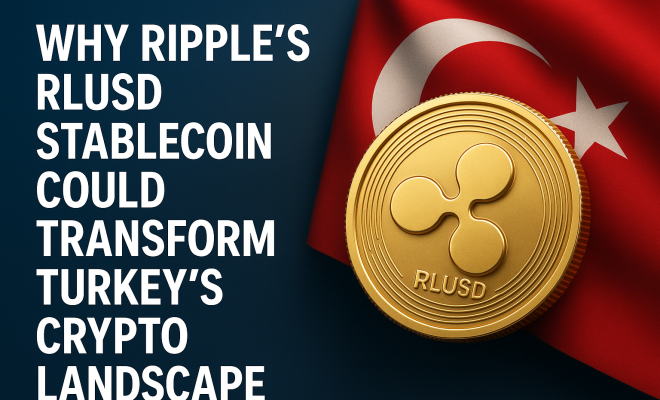
On June 2, Ripple made headlines by announcing that its US dollar-pegged Ripple RLUSD stablecoin would be available to institutional clients in Turkey. This strategic move signifies Ripple’s commitment to expanding its footprint in the Middle East and North Africa (MENA) region, particularly in Turkey, which is emerging as one of the most active crypto markets in the area. The integration of RLUSD with local exchanges such as BiLira, Bitexen, and Bitlo reflects a broader trend in the cryptocurrency space where stablecoins are becoming central to discussions on regulation, cross-border payments, and adoption in markets facing inflation and currency pressures.
1. The Current State of the Turkish Crypto Market
Turkey has recently become a hotspot for cryptocurrency trading, generating approximately $40 billion in crypto volume over a three-month period, despite a global decline in retail participation by 11%. This surge in activity indicates a strong local appetite for digital assets, likely driven by economic factors including inflation and depreciation of the Turkish lira. Investors in Turkey are increasingly drawn to cryptocurrency as a hedge against local currency instability.
The Turkish government has been taking steps to regulate cryptocurrencies, signaling a shift towards a more structured approach in the crypto space. This regulatory environment, paired with the local populace’s enthusiasm for digital currencies, sets the stage for Ripple’s RLUSD stablecoin to find a receptive audience among institutional and retail investors alike.
2. What is the Ripple RLUSD Stablecoin?
The Ripple RLUSD stablecoin is a digital asset pegged to the US dollar, designed to provide a stable medium of exchange within the cryptocurrency ecosystem. By linking its value directly to the US dollar, RLUSD aims to mitigate the volatility often associated with other cryptocurrencies, making it a suitable option for transactions and trading.
Ripple has positioned RLUSD as a bridge for cross-border payments, facilitating transactions not only within Turkey but also across the MENA region. This is particularly significant in a market where traditional banking systems can be cumbersome and slow. The appeal of RLUSD lies in its ability to combine the benefits of digital currencies with the stability of fiat currency, making it a compelling option for users looking to conduct business or make investments.
3. Integration with Local Exchanges
The partnerships with local exchanges like BiLira, Bitexen, and Bitlo are pivotal for the success of the Ripple RLUSD stablecoin. These platforms boast substantial user bases and trading volumes, providing Ripple with immediate access to a vibrant market. By integrating RLUSD into these exchanges, Ripple not only enhances liquidity but also increases the utility of the stablecoin for local traders and institutions.
Each exchange offers unique features that cater to different market segments. For instance, BiLira is known for its commitment to regulatory compliance, while Bitexen and Bitlo provide robust trading options and user interfaces. By aligning with these exchanges, Ripple can leverage their established networks to accelerate the adoption of its stablecoin in Turkey.
4. The Role of Stablecoins in the Cryptocurrency Ecosystem
Stablecoins play a critical role in the cryptocurrency landscape by providing stability and reducing volatility in trading. They serve as a reliable medium for transactions, allowing users to move funds without the constant fluctuations seen in cryptocurrencies like Bitcoin or Ethereum. The introduction of the Ripple RLUSD stablecoin is timely, as interest in digital currencies continues to grow amid economic uncertainties.
Moreover, stablecoins are often used as a gateway for new investors entering the crypto space. For many, the stability offered by a US dollar-pegged asset like RLUSD makes it a safer option compared to more volatile cryptocurrencies. This accessibility can lead to broader adoption of digital currencies, further solidifying the role of stablecoins in the global economy.
5. Regulatory Environment in Turkey
The regulatory framework surrounding cryptocurrencies in Turkey is evolving, with the government actively seeking to establish guidelines that ensure consumer protection while fostering innovation. This creates a conducive environment for companies like Ripple to introduce their products, such as the RLUSD stablecoin. (See: Turkey's growing cryptocurrency market.) We covered crypto bill vote insights in more detail.
In 2021, Turkey’s central bank announced a ban on the use of cryptocurrencies for payments, which raised concerns among investors. However, the government has since recognized the potential of blockchain technology and cryptocurrencies, leading to discussions around regulatory frameworks that could support their growth. As Ripple navigates this landscape, its compliance with local regulations will be crucial for the success of the RLUSD stablecoin.
6. Potential Impact on Cross-Border Payments
One of the primary use cases for the Ripple RLUSD stablecoin is in the realm of cross-border payments. Traditional methods for international transactions can be slow and costly, often involving multiple intermediaries. The introduction of a stablecoin like RLUSD has the potential to streamline these processes, providing quicker and more cost-effective solutions.
By utilizing blockchain technology, Ripple can facilitate near-instantaneous transactions across borders, significantly reducing the time and expense associated with traditional banking systems. This is particularly beneficial for businesses engaged in international trade, where timely payments are essential to maintaining competitive advantage.
7. Future Prospects for the Ripple RLUSD Stablecoin
The future of the Ripple RLUSD stablecoin appears promising as it taps into a growing demand for stable digital assets in a volatile economic landscape. The successful integration with local exchanges in Turkey is just the beginning, as Ripple looks to expand its reach across the MENA region.
As more institutional clients recognize the benefits of utilizing stablecoins for transactions and trading, Ripple’s RLUSD could gain significant traction. Additionally, as regulatory frameworks become clearer and more supportive of cryptocurrency, the potential for growth in this sector is immense. By strategically positioning itself within a burgeoning market, Ripple is not only enhancing its offerings but also contributing to the broader acceptance and adoption of cryptocurrencies globally.
8. Challenges Facing the Ripple RLUSD Stablecoin
Despite the excitement surrounding the Ripple RLUSD stablecoin, there are challenges that could impede its growth. The regulatory landscape remains fluid, and any changes in government policy could impact Ripple’s operations. Additionally, competition within the stablecoin market is fierce, with established players like Tether and USDC already capturing significant market share.
Moreover, user adoption will be critical for the success of RLUSD. Ripple must invest in marketing and educating potential users about the benefits of the stablecoin, ensuring that it stands out in a crowded marketplace. Addressing these challenges will be essential for Ripple as it seeks to solidify its presence in the Turkish crypto market and beyond.
9. Comparative Analysis: Ripple RLUSD vs. Other Stablecoins
When considering the landscape of stablecoins, it’s essential to analyze how Ripple’s RLUSD compares to other well-known stablecoins like Tether (USDT), USD Coin (USDC), and Binance USD (BUSD). Each of these stablecoins has its unique characteristics that appeal to different segments of the market.
Tether (USDT) is the most widely used stablecoin, known for its liquidity and extensive market integration. However, it has faced scrutiny regarding its reserve backing and transparency. On the other hand, USD Coin (USDC) boasts a more robust regulatory compliance framework, being fully backed by US dollar reserves and regularly audited, which enhances its appeal to institutional investors.
Binance USD (BUSD), issued by Binance, offers users competitive trading fees within the Binance ecosystem, making it a favorite among frequent traders. Ripple’s RLUSD, while new, aims to carve its niche by focusing on cross-border payments and integration with local exchanges, particularly in emerging markets like Turkey. Its success will depend largely on user adoption and its ability to navigate the regulatory landscape effectively.
10. Expert Perspectives on the Future of Ripple RLUSD
Industry experts have varying opinions regarding the potential of Ripple’s RLUSD stablecoin. Some view it as an essential tool for enhancing liquidity and efficiency in the MENA region, particularly given the region’s unique economic challenges. Others caution that while the initial adoption may be promising, sustaining growth in the face of competition from established stablecoins will require strategic maneuvering. (See: Turkey seeks to regulate cryptocurrency trading.)
Dr. Emily Chen, a blockchain researcher at a leading financial think tank, stated, “Ripple’s focus on regional markets like Turkey is astute. The demand for stablecoins is growing, and if Ripple can establish trust through regulatory compliance and partnerships, RLUSD could gain significant traction.” Conversely, financial analyst Mark Lee noted, “Ripple has a steep hill to climb. The stablecoin space is crowded, and their long-term success will depend on user adoption and how well they can navigate regulatory challenges.”
11. Frequently Asked Questions (FAQ) about Ripple RLUSD Stablecoin
What makes Ripple RLUSD different from other stablecoins?
Ripple RLUSD is specifically designed to facilitate cross-border payments and integrates with local exchanges in emerging markets, focusing on providing users with a stable asset in regions experiencing high inflation and currency volatility.
How does RLUSD maintain its peg to the US dollar?
Ripple maintains the peg by ensuring that each RLUSD issued is backed by a reserve of US dollars held in a secure account, facilitating a 1:1 conversion rate. This mechanism is intended to prevent significant fluctuations in value.
Who can use Ripple RLUSD?
Initially, Ripple RLUSD is aimed at institutional clients in Turkey, but it is expected to expand its accessibility to retail investors as adoption grows and regulatory frameworks evolve. Related reading: Ripple's recent developments.
What are the transaction fees associated with using Ripple RLUSD?
Transaction fees for RLUSD are expected to be competitive, making it an attractive option for users. Exact fees will depend on the exchange and the specific transactions being conducted.
How does Ripple RLUSD ensure security and compliance?
Ripple is committed to complying with local regulations, employing advanced security protocols to safeguard funds. This includes regular audits and transparent reporting to build trust with users and regulators alike.
12. Comparative Adoption Rates of Stablecoins in Turkey
To understand the potential for Ripple RLUSD in Turkey, it’s useful to look at the adoption rates of existing stablecoins within the local market. As of late 2023, studies indicate that stablecoins like USDT and USDC have seen a significant increase in usage, with USDT holding approximately 70% of the stablecoin market share in Turkey. This dominance is attributed to its established infrastructure and liquidity across various trading platforms.
In contrast, newer entrants such as RLUSD will need to capture market share by addressing specific regional needs—such as the demand for a stablecoin that facilitates quick cross-border transfers, particularly in a country where the local currency is fluctuating wildly. Market analysts predict that if Ripple can effectively communicate the advantages of RLUSD to local traders, it could carve out a substantial niche within this competitive landscape.
13. Economic Factors Influencing Stablecoin Adoption
The economic environment in Turkey plays a crucial role in shaping the adoption of cryptocurrencies and stablecoins. Turkey has been grappling with hyperinflation and a depreciating lira, which creates a climate where citizens seek alternatives to traditional banking and fiat currencies. (See: Cryptocurrency as a hedge against inflation.)
According to a recent report by the Turkish Statistical Institute, inflation rates soared above 60% in 2023, compelling individuals and businesses to look for stable assets to hedge against the devaluation of the lira. This situation makes stablecoins like Ripple RLUSD an attractive option, especially for those looking to safeguard their assets from inflationary pressures.
Furthermore, as the Turkish economy continues to evolve, the demand for innovative financial solutions, such as cryptocurrencies and stablecoins, is likely to rise. This could create a favorable environment for RLUSD to thrive, provided that Ripple effectively addresses the regulatory concerns and demonstrates the tangible benefits of using its stablecoin.
14. The Future of Remittances in Turkey with Ripple RLUSD
Another critical aspect of Ripple RLUSD’s potential success lies in its application within remittances. Turkey is home to a large number of expatriates who send money back home, contributing significantly to the economy. In 2022, remittances to Turkey reached $6 billion, showcasing a robust demand for transfer services.
The traditional remittance channels often come with high fees and long wait times, making them less appealing for users. Ripple RLUSD could offer a more efficient and cost-effective solution by reducing transaction times to mere minutes and minimizing fees. This capability could significantly enhance user experience and encourage broader adoption of the stablecoin among both senders and recipients in Turkey.
By streamlining cross-border payment processes and making remittances more accessible, Ripple RLUSD could establish itself as a go-to option for Turkish citizens living abroad and their families back home.
15. Conclusion: The Ripple RLUSD Stablecoin as a Game Changer
Ripple’s introduction of the RLUSD stablecoin to Turkey marks a significant milestone in the company’s journey to leverage blockchain technology for practical applications in finance. By targeting one of the most active crypto markets in the MENA region, Ripple is well-positioned to capitalize on the growing interest in stablecoins.
The potential for the RLUSD stablecoin to facilitate cross-border payments, reduce transaction costs, and stimulate local adoption of digital currencies is immense. As the landscape continues to evolve, Ripple’s proactive approach to regulation and partnerships with local exchanges will be instrumental in shaping the future of cryptocurrency in Turkey. For investors and institutions alike, the Ripple RLUSD stablecoin represents not just a new asset, but a transformative opportunity in the rapidly changing world of digital finance.
“`
Trending Now
- our breakdown of unlocking emotional intelligence in preschoolers: 7 essential strategies for parents
- this guide on transforming classrooms: 12 engaging activities to teach emotional intelligence to kids
- Why Emotional Intelligence in Middle School Is the Key to Lasting Success
- the complete explanation
- Unlocking Success: Essential Emotional Intelligence Skills…
Frequently Asked Questions
What is Ripple's RLUSD stablecoin?
Ripple's RLUSD stablecoin is a digital asset pegged to the US dollar, designed to provide a stable medium of exchange in the cryptocurrency market. It aims to reduce the volatility associated with other cryptocurrencies, making it more suitable for transactions and trading.
How is the Turkish crypto market currently performing?
The Turkish crypto market has seen a surge in activity, generating approximately $40 billion in trading volume over three months. This growth is driven by local economic factors, including inflation and the depreciation of the Turkish lira, prompting investors to seek digital assets as a hedge.
Why is Ripple entering the Turkish market?
Ripple is entering the Turkish market to capitalize on the country's emerging status as a vibrant crypto hub. By introducing the RLUSD stablecoin, Ripple aims to cater to both institutional and retail investors who are increasingly interested in stable digital assets amidst local currency instability.
What exchanges will support Ripple's RLUSD stablecoin in Turkey?
Ripple's RLUSD stablecoin will be integrated with local exchanges such as BiLira, Bitexen, and Bitlo. This collaboration reflects a trend of stablecoins becoming essential in discussions about regulation and cross-border payments in Turkey's growing crypto landscape.
How is the Turkish government approaching cryptocurrency regulation?
The Turkish government is taking steps to regulate cryptocurrencies, indicating a shift towards a more structured approach in the crypto space. This regulatory framework, combined with public enthusiasm for digital currencies, creates a favorable environment for Ripple's RLUSD stablecoin.
Agree or disagree? Drop a comment and tell us what you think.