Tick-Borne Encephalitis Spreads in Netherlands: 2026 Warning
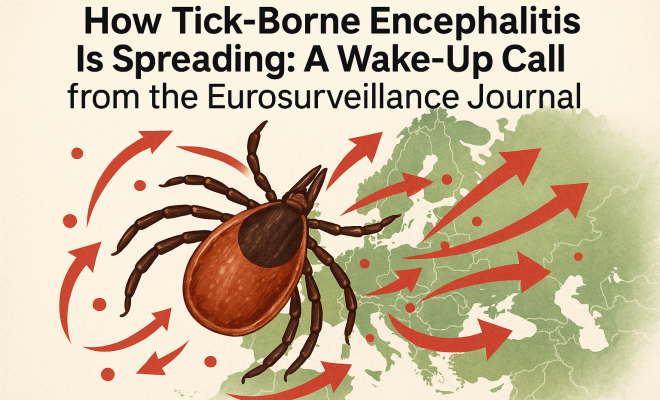
The Eurosurveillance journal has recently published a notable study in its Volume 31, Issue 20, released on May 21, 2026, highlighting the alarming spread of tick-borne encephalitis virus (TBEV) in the Netherlands. As outdoor activities ramp up with the onset of summer, understanding the risks associated with tick-borne diseases becomes increasingly crucial for public health and individual safety.
Understanding Tick-Borne Encephalitis Virus
Tick-borne encephalitis (TBE) is a viral infection that affects the central nervous system and can lead to serious health complications. The TBE virus is primarily transmitted through the bite of infected ticks, which are often found in forested and grassy areas. The symptoms of TBE can range from mild flu-like symptoms to severe neurological disorders, making it a significant concern for those who spend time outdoors. In recent years, the frequency of TBE outbreaks has drawn attention, particularly as climate change alters tick habitats and expands their range.
Mapping the Spread: Targeted Monitoring in the Netherlands
The study published in the Eurosurveillance journal employs targeted monitoring methods informed by geographic mapping to track the expanding risk of TBEV in the Netherlands. This proactive approach enables public health officials to identify areas with increasing incidence rates and develop strategies to address the potential outbreak.
The research highlights the importance of utilizing data mapping to enhance surveillance efforts, which is particularly vital as warmer weather leads to increased outdoor activities. Individuals are likely to engage in activities such as hiking, cycling, and picnicking, all of which elevate their exposure to ticks. By pinpointing regions with heightened risk, local health departments can communicate more effectively with residents and provide timely warnings.
Seasonal Concerns: Why This Matters Now
As summer approaches, the incidence of tick bites typically increases due to more people spending time in nature. The findings from the Eurosurveillance journal are relevant to individuals preparing for outdoor recreational activities, as awareness of TBEV can significantly influence preventive measures. The study has stirred not only academic interest but also public concern, as individuals are eager to learn about the symptoms, prevention strategies, and vaccination opportunities available in their areas.
Symptoms and Prevention: What to Watch For
Being aware of the symptoms of TBE is essential for early detection and treatment. Common symptoms include:
- Fever and chills
- Headache
- Nausea and vomiting
- Fatigue and weakness
- Neck stiffness and confusion (in severe cases)
Preventive measures are crucial in curbing the spread of TBEV. Here are some effective strategies:
- Wear protective clothing: Long sleeves and pants can help shield against tick bites.
- Use insect repellent: Apply products containing DEET or permethrin to exposed skin and clothing.
- Perform tick checks: Regularly check for ticks after outdoor activities, especially in high-risk areas.
- Keep grassy areas trimmed: Reducing tick habitats can mitigate the risk of bites.
- Consider vaccination: In certain high-risk areas, vaccines are available and can provide protection against TBE.
Local Outbreaks: Are They Becoming More Common?
With the reported increase in tick populations and the geographic spread of TBEV, the concern surrounding local outbreaks is justified. The Eurosurveillance journal provides critical insights into these trends, urging communities to stay informed and vigilant. As people become more aware of the risks associated with tick-borne diseases, it fuels a collective sense of urgency to address and mitigate these threats.
The combination of a potentially serious infection, geospatial data, and the timely release of this research positions the study as a vital resource for both the public and health authorities. This creates a strong appeal for readers who want to ensure their safety and well-being during outdoor activities this summer.
The Importance of Continued Research
As ongoing research continues to shed light on the dynamics of tick-borne diseases, the publications from the Eurosurveillance journal will remain essential for public health awareness. It is crucial for communities to stay updated with the latest findings to adapt their prevention strategies accordingly.
In conclusion, the study on tick-borne encephalitis virus in the Netherlands serves as a critical reminder of the potential risks posed by outdoor activities during the warmer months. By utilizing targeted monitoring and public awareness campaigns, we can collectively work towards minimizing the impact of this serious viral infection.