Why First-Time Parents Are Ignoring the ‘No Screens Before Two’ Rule
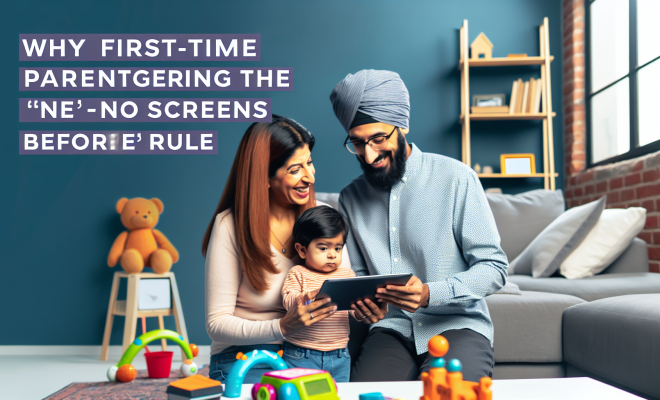
In the fast-paced world of parenting, navigating the myriad of advice on child-rearing can be overwhelming, especially for first-time Australian parents. A recent study reveals a surprising trend: many parents are choosing to ignore the no screens before two guideline set forth by pediatric experts. Instead, they are turning to digital platforms like Google, Facebook groups, Reddit, and YouTube for advice on managing their young children’s screen time. This shift indicates a significant change in how parents seek and apply information in the digital age.
The Shift from Expert Guidelines to Digital Advice
According to the research, rather than strictly adhering to the traditional advice from pediatricians, these parents are leveraging social media and online communities to find practical solutions tailored to their immediate needs. For instance, a fussy baby may necessitate a quick distraction, and parents feel that reaching for a phone or tablet is a straightforward solution. The study highlights how real-life scenarios often dictate parenting choices, overshadowing conventional guidelines.
The Reality of Parenting in a Digital Age
First-time parents are under immense pressure to get everything right, particularly with the rise of social media, where perfect parenting is often showcased. The emotional debates surrounding the no screens before two guideline often lead to guilt and anxiety among parents striving to meet these expectations. In the chaos of early caregiving, many find themselves asking whether strict adherence to these rules is practical or even necessary.
- Parents frequently turn to platforms such as Facebook and Reddit, where they can connect with other parents facing similar challenges.
- YouTube is a popular resource for visual advice, offering everything from soothing techniques to developmental activities that can involve screens.
- Influencers and parenting blogs provide relatable content, often resonating more with parents than clinical guidelines.
Statistics Show a Substantial Shift
The research unearthed some staggering statistics: a significant number of parents reported using social media as their primary source for parenting advice. This trend highlights a broader cultural shift where digital platforms are becoming the go-to for practical support over traditional methods. The study illustrates that parents are increasingly prioritizing real-life experiences over rigid expert guidelines, leading to a more flexible interpretation of screen time rules.
The Emotional Landscape of Modern Parenting
Another compelling aspect of this study is the emotional weight that parenting decisions carry. Parents often feel torn between wanting to follow expert advice and the reality of their daily lives. The juxtaposition of no screens before two with the urgent needs of parenting creates a landscape ripe for controversy. Parents share their struggles openly on social media, leading to a community-driven discussion that challenges established norms.
As a result, the conversation surrounding screen time is not just about the time spent on devices but also about the emotional and psychological impacts on both parents and children. Many feel guilty when they resort to screens, yet they also recognize the necessity of these tools in providing temporary relief or distraction.
Understanding the Need for Flexibility
This growing reliance on digital media reflects a need for flexibility in parenting rules. Rather than being strictly enforced, guidelines such as no screens before two may benefit from a more nuanced approach that considers individual family dynamics and circumstances. The idea that every child is different resonates deeply with many parents, who understand that a one-size-fits-all rule may not be applicable in every case.
Moreover, the research suggests that parents may benefit from incorporating educational content into their children’s screen time. Resources that promote interactive and learning-based activities can be an asset rather than a detriment, thus shifting the narrative around screen usage in early childhood.
The Role of Community Support
The study underscores the importance of community in shaping parenting practices. Online platforms allow parents to share their experiences, thus fostering a supportive environment where they can discuss their challenges without judgment. This community support is vital, especially for new parents who might feel isolated or overwhelmed.
- Supportive online communities provide a space for sharing tips and resources, helping parents feel less alone in their journey.
- Shared experiences can lead to a more balanced view of parenting, encouraging parents to find what works best for them.
- Community-driven discussions often lead to practical solutions that are more relevant than traditional guidelines.
Moving Forward: Embracing Balance
As first-time Australian parents continue to navigate the complexities of early child-rearing, the conversation around no screens before two may need to evolve. By embracing a balanced approach, integrating expert advice with real-life experiences, and fostering community support, parents can make informed decisions that cater to their unique needs. The digital age has equipped them with tools that, when used wisely, can enhance their parenting journey rather than hinder it. Ultimately, the focus should be on the well-being of both parent and child, ensuring that screen time is a tool for connection and learning rather than a source of guilt.