US Education Reform: Winning the Tech Race Against China
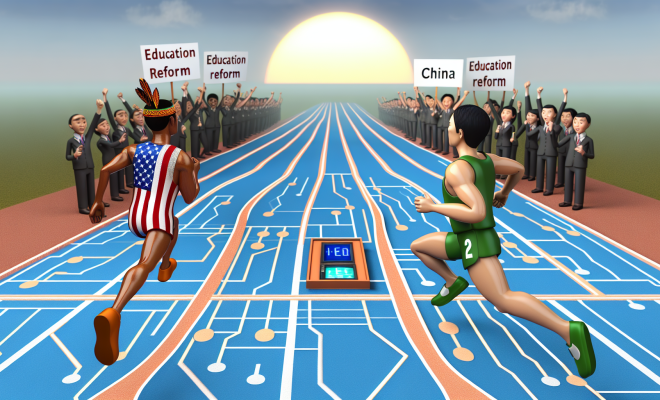
The recent policy analysis from the Information Technology and Innovation Foundation (ITIF) uncovers a startling reality: 83% of students report insufficient opportunities for curiosity in their educational environments. As schools navigate the aftermath of the pandemic, teachers are finding it increasingly difficult to address the complex academic and behavioral needs of their students. This situation raises critical questions about the future of workforce development in the U.S. and its global competitiveness, especially in light of emerging threats from countries like China.
The Current State of U.S. Education
In the face of a rapidly evolving economy, the U.S. education system appears ill-equipped to meet the challenges posed by global competitors. The ITIF report argues that unless systemic reforms are implemented, America risks falling behind in the techno-economic race. It highlights the importance of transforming education and workforce policy to cultivate the skills and abilities necessary for future success.
The Need for Systemic Reforms
To enhance workforce development, the ITIF report calls for dramatic reforms in the education system, including:
- Integration of Artificial Intelligence (AI) in educational settings to personalize learning experiences.
- Elimination of restrictive course mandates that limit students’ ability to explore their interests and strengths.
- A focus on fostering curiosity within the classroom to prepare students for complex problem-solving in an ever-changing workforce.
These reforms are aimed at creating a more adaptable educational framework that aligns with the needs of modern industries. By allowing students to pursue interests that resonate with them, educators can better prepare them for the demands of the 21st-century job market.
The Controversial Debate on Standardization vs. Personalization
One of the most contentious propositions in the report is the suggestion that states must drastically reduce educational requirements. This notion has sparked intense debate among parents, educators, and policymakers about the balance between standardization and personalization in education.
Opponents argue that reducing standards could lead to a decline in overall educational quality, potentially harming students’ prospects in higher education and the workforce. However, supporters claim that current requirements are often outdated and fail to reflect the skills needed in today’s economy.
The challenge lies in finding a middle ground that allows for both accountability and flexibility. As the report suggests, it is essential to adopt a more personalized approach to learning that values students’ individual pathways while maintaining certain standards to ensure quality education.
Preparing for the Future of Workforce Development
As the competition with China intensifies, the need for a reformed education system becomes increasingly urgent. The ITIF report emphasizes the critical role of workforce development in national prosperity. Investments in education must prioritize:
- STEM education to equip students with essential technical skills.
- Critical thinking and problem-solving abilities to foster innovation.
- Collaboration and communication skills to thrive in diverse work environments.
By prioritizing these competencies, educators can better prepare students for the demands of a shifting job market, ultimately contributing to a more robust and competitive workforce.
The Role of Policymakers and Educators
Policymakers and educators must work collaboratively to transform the education landscape. This involves:
- Engaging with industry leaders to understand the evolving skills landscape.
- Implementing pilot programs that test new educational models focused on personalization.
- Providing ongoing professional development for teachers to better support their students’ diverse needs.
Building a future-ready workforce requires a collective effort to rethink and reshape educational practices. As the ITIF report underscores, the consequences of inaction could be profound, leading to a diminished capacity for innovation and economic growth.
Conclusion: A Call to Action
As the U.S. faces unprecedented challenges in the global techno-economic landscape, the imperative for educational reform becomes clear. The findings of the ITIF report highlight the urgent need to enhance workforce development through systemic changes in education. With a focus on fostering curiosity, personalizing learning experiences, and maintaining educational standards, America can equip its students with the skills necessary to thrive in a competitive world.
The time to act is now. Stakeholders at all levels must mobilize to ensure that the next generation is prepared not just to participate in the economy but to lead it as well.