Bitcoin Holds $78K in 2026: Strong ETF Inflows & Low Reserves
Introduction
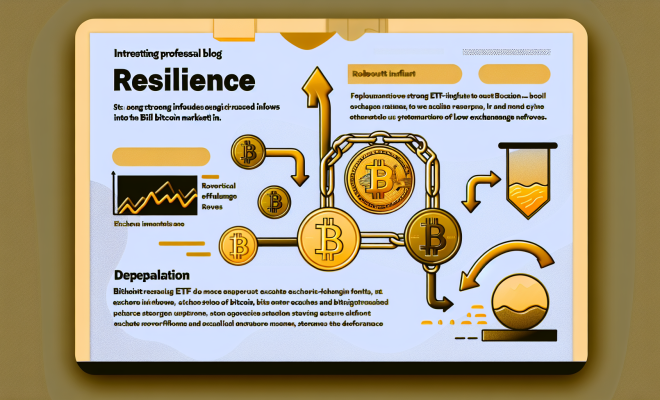
As of April 24, 2026, Bitcoin is demonstrating remarkable stability, holding firm near the $78,000 mark. This price resilience can be attributed to a significant influx of funds into Exchange-Traded Funds (ETFs) centered around Bitcoin, coupled with a noteworthy decrease in exchange reserves, which are approaching record lows. This article explores the implications of these trends, the current state of the cryptocurrency market, and what they mean for investors and enthusiasts alike.
Understanding Bitcoin’s Current Position
Bitcoin has become a prominent player in the financial landscape, and its price movements are closely monitored by investors and analysts. At $78,000, Bitcoin’s price reflects not only the cryptocurrency’s inherent volatility but also the growing institutional interest that has been evident in recent months.
ETF Inflows: A Driving Force
The recent surge in ETF inflows has been a significant factor supporting Bitcoin’s price. Over the past week, the cryptocurrency has experienced a seven-day streak of net positive flows into Bitcoin ETFs, indicating strong investor confidence. These inflows are crucial as they represent a growing acceptance of Bitcoin as a legitimate asset class.
What Are Bitcoin ETFs?
Exchange-Traded Funds (ETFs) are investment funds traded on stock exchanges, much like stocks. They typically track an index, commodity, or a collection of assets. Bitcoin ETFs allow investors to buy shares that represent Bitcoin without having to directly purchase the cryptocurrency itself. This accessibility has encouraged institutional investors to engage with Bitcoin, further legitimizing its status in the financial markets.
The Impact of Strong ETF Inflows
- Increased Institutional Interest: The rise in ETF inflows indicates that institutional investors are increasingly viewing Bitcoin as a viable investment option.
- Market Stability: Positive flows into Bitcoin ETFs contribute to price stability by providing a consistent demand for the asset.
- Broader Market Implications: The success of Bitcoin ETFs could pave the way for more cryptocurrency-related investment products, attracting a wider audience.
Exchange Reserves: A Key Indicator
Another critical factor influencing Bitcoin’s price stability is the declining level of reserves on cryptocurrency exchanges. Currently, exchange reserves are nearing record lows, which is indicative of reduced selling pressure among Bitcoin holders. This trend suggests that many investors are choosing to hold onto their assets rather than sell, which can lead to a tighter supply and potentially higher prices.
Why Are Exchange Reserves Important?
Exchange reserves refer to the total amount of cryptocurrency held in wallets by exchanges. A decrease in these reserves can signal two key trends:
- Increased Holding Behavior: When holders choose to keep their Bitcoin off exchanges, it often reflects a long-term bullish sentiment, as they anticipate higher future prices.
- Reduced Selling Pressure: Lower reserves mean that there are fewer coins available for sale on the market, which can contribute to price increases if demand remains strong.
The Psychological Aspect of Holding
The decision by many holders to maintain their Bitcoin positions can also be attributed to psychological factors. Investors may be influenced by:
- Market Sentiment: Positive sentiment surrounding Bitcoin, fueled by media coverage and institutional interest, encourages holders to remain steadfast.
- Fear of Missing Out (FOMO): As Bitcoin approaches record highs, many investors may fear missing out on potential gains, leading them to hold rather than sell.
The Broader Cryptocurrency Market Dynamics
While Bitcoin’s performance is a focal point, it is essential to consider the broader cryptocurrency market dynamics that influence its price. The cryptocurrency landscape is characterized by volatility and rapid changes, and various factors can impact market conditions.
Market Sentiment and External Factors
Market sentiment plays a significant role in influencing cryptocurrency prices. Various external factors, including regulatory developments, technological advancements, and macroeconomic conditions, can sway investor sentiment.
- Regulatory Developments: Positive regulatory news can instill confidence in investors, while adverse regulations can have the opposite effect.
- Technological Innovations: Advances in blockchain technology and scalability solutions can enhance the utility of cryptocurrencies, attracting more users and investors.
- Macroeconomic Conditions: Economic conditions, such as inflation rates and monetary policy changes, can affect the attractiveness of Bitcoin as a hedge against traditional economic trends.
Bitcoin Versus Other Cryptocurrencies
While Bitcoin leads the cryptocurrency market, it is essential to recognize the performance of altcoins and their influence on Bitcoin’s price. The dynamics between Bitcoin and other cryptocurrencies can create significant fluctuations in market conditions.
- Market Dominance: Bitcoin’s dominance in the market influences the performance of altcoins, as many investors are likely to allocate funds based on Bitcoin’s price movement.
- Correlations: The correlation between Bitcoin and altcoins can lead to similar price movements, especially during periods of heightened volatility.
Investor Strategies in a Bullish Market
Given Bitcoin’s current position and the positive trends surrounding it, investors may consider various strategies to navigate this bullish market effectively. Understanding market conditions and investor behavior can help individuals make informed decisions.
Long-Term Holding (HODLing)
One of the most common strategies among Bitcoin investors is HODLing, which involves holding onto the asset for an extended period, regardless of short-term price fluctuations. This strategy is particularly effective in a bullish market, as it allows investors to benefit from long-term price appreciation.
Dollar-Cost Averaging
Another strategy that investors often employ is dollar-cost averaging, where they invest a fixed amount of money into Bitcoin at regular intervals. This approach can mitigate the impact of volatility by spreading out purchases over time.
Staying Informed
In a rapidly changing landscape, staying informed about market trends, regulatory news, and technological advancements is crucial for investors. Engaging with reputable news sources and participating in cryptocurrency communities can provide valuable insights.
Conclusion
Bitcoin’s ability to hold near $78,000 amidst strong ETF inflows and declining exchange reserves signifies a robust market sentiment and growing institutional interest. As investors navigate this landscape, understanding the dynamics at play will be crucial for making informed decisions. With its status as a leading cryptocurrency firmly established, Bitcoin continues to attract attention as both an investment vehicle and a subject of broader financial interest.