Parental Self-Care: Nurturing Well-Being for You & Your Kids
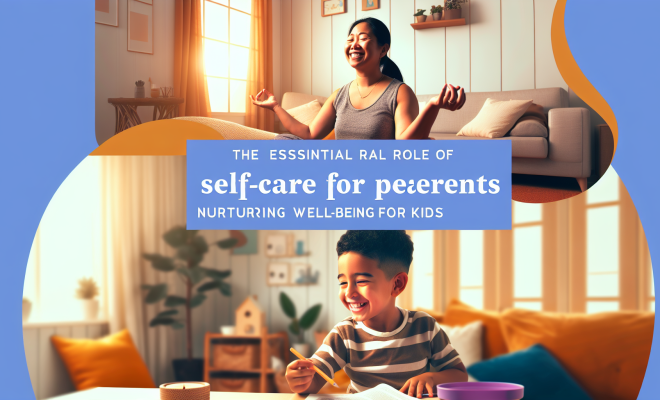
Understanding the Importance of Parental Self-Care
In the journey of parenthood, the focus often shifts away from the parents’ own needs, with many dedicating themselves entirely to the well-being of their children. The hustle of meal preparation, managing school routines, and providing emotional support can overshadow the necessity for self-care. However, prioritizing personal well-being is not just beneficial for parents; it also plays a critical role in nurturing children’s development and emotional health.
Self-Care: A Model for Children
Children are keen observers. They learn behaviors, attitudes, and coping mechanisms by watching their parents. When parents take time for self-care, they communicate a powerful message: that caring for oneself is essential and normal. This modeling of self-care can have profound effects on children. It teaches them that it’s okay to rest, to seek moments of peace, and to manage stress in healthy ways.
Practicing Rest Without Guilt
One of the most significant lessons parents can impart is the importance of resting without guilt. Many parents struggle with the idea that taking a break equates to neglecting their duties. However, engaging in personal downtime—whether it’s reading a book, enjoying a quiet cup of tea, or taking a leisurely walk—demonstrates to children that everyone needs a moment to recharge. This normalization of rest helps children internalize self-care as a vital part of life.
Simple Actions with Big Impact
Self-care doesn’t have to involve extravagant plans or costly retreats. Often, the most effective self-care strategies are simple and accessible. Here are some small yet impactful actions that parents can incorporate into their daily lives:
- Mindful Breathing: Taking a few minutes each day for deep breathing can help manage stress levels.
- Short Walks: A brief walk outside can refresh a parent’s mind and provide a moment of solitude.
- Quiet Moments: Enjoying a cup of tea or coffee in silence allows for mental clarity and relaxation.
- Gratitude Journaling: Writing down things one is grateful for can shift focus away from stress and negativity.
- Setting Boundaries: Learning to say no to extra commitments can help maintain a manageable schedule.
Emotional Health: The Ripple Effect
When parents engage in self-care, the emotional benefits extend beyond their own well-being. An emotionally healthy parent is better equipped to support their children. They can respond more patiently to challenges and provide a stable environment where children feel safe and valued. This positive emotional state is crucial for fostering resilience in children, preparing them to handle their own emotional challenges.
Building Emotional Intelligence
Parents who prioritize their mental health can better teach their children about emotional intelligence. By openly discussing feelings, modeling healthy coping strategies, and maintaining an open line of communication, parents can help children understand and manage their emotions. This understanding is foundational for developing empathy and resilience, which are vital skills for navigating life’s ups and downs.
Creating a Culture of Self-Care in the Family
To instill the value of self-care in children, it’s beneficial to create a family culture that prioritizes well-being. Here are some strategies to foster this environment:
- Family Activities: Engage in activities that promote relaxation and connection, such as family yoga sessions or nature walks.
- Open Discussions: Encourage conversations about feelings and stressors, making it a safe space for everyone.
- Routine Self-Care: Establish a family routine that includes time for self-care, like family game nights or quiet reading time.
- Modeling Balance: Showcase a balanced approach to life, emphasizing that work and play are both important.
- Encouraging Hobbies: Support children in pursuing hobbies that bring them joy and relaxation.
Confronting the Challenges of Self-Care
Despite the clear benefits, many parents struggle to find time for themselves. The demands of parenting can feel overwhelming, leading to feelings of guilt when considering self-care. It’s important to recognize that self-care is not a luxury but a necessity. Here are some common barriers parents face and suggestions for overcoming them:
- Time Constraints: Schedule self-care into your daily routine, treating it as an essential appointment.
- Guilt: Remind yourself that taking care of your needs enables you to be a better parent.
- Support Systems: Reach out to partners, family, or friends for help, allowing you some time for yourself.
- Mindset Shift: Change the narrative around self-care from selfishness to self-preservation.
Conclusion: A Healthier Family Dynamic
In conclusion, prioritizing self-care is crucial for parents, not only for their own well-being but also for the healthy development of their children. By modeling self-care behaviors, parents teach their children the importance of emotional health and stress management. Simple acts of self-care can create a ripple effect, fostering a family culture where well-being is valued. Ultimately, when parents are mentally and emotionally healthy, they lay the groundwork for a more resilient, empathetic, and balanced future generation.