FBI Probes Domestic Terrorism in Firebomb Attack on OpenAI CEO Sam Altman

Overview of the Incident
A shocking incident has unfolded in San Francisco, where a man from Texas has been charged with attempted murder after allegedly launching a firebomb attack on the home of Sam Altman, the CEO of OpenAI. This troubling event raises significant questions about the rising tensions surrounding artificial intelligence (AI) and its implications for society.
The Attack
According to authorities, the suspect, whose identity has not been disclosed publicly, was captured on surveillance footage throwing a Molotov cocktail at Altman’s residence. The attack occurred on a date not specified in reports, but has since drawn widespread media attention due to its violent nature and the rapid escalation of anti-AI sentiment in recent years.
Details of the Charges
In the aftermath of the attack, law enforcement officials swiftly apprehended the suspect. He now faces serious charges, including attempted murder and the use of incendiary materials in a crime. Investigators have also noted that the individual traveled interstate to commit the alleged crime, prompting the FBI to step in and assess whether the act may qualify as domestic terrorism.
The Anti-AI Document
One of the most alarming aspects of this case is the discovery of an anti-AI document that the suspect was reportedly carrying at the time of the attack. This document contained threats directed at Altman, indicating a premeditated motive behind the violent outburst. The nature of the document has not been disclosed, but it underscores a worrying trend of hostility towards figures associated with AI development.
Investigating Domestic Terrorism
The FBI’s involvement in this investigation highlights the seriousness with which authorities are treating the incident. As AI continues to permeate various aspects of life, from healthcare to finance, the backlash against it has intensified. Experts are concerned that such acts of violence may become more common as societal debates about the ethical implications of AI technology escalate.
Rising Anti-AI Sentiment
The surge in anti-AI sentiment is not isolated to this incident. Over recent years, there has been a notable increase in public discourse surrounding the potential dangers of AI, with critics raising alarms about job displacement, privacy violations, and the ethical dilemmas associated with autonomous systems. The fear of a future dominated by artificial intelligence has fueled protests, petitions, and, in some instances, violent acts against those perceived as champions of this technology.
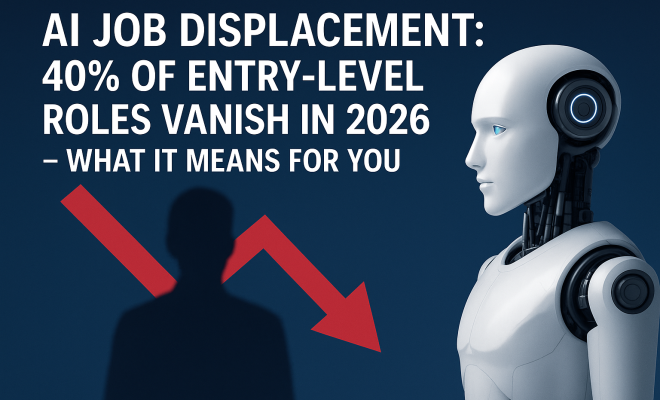
- Job Displacement: Many workers fear that AI will replace their jobs, leading to economic instability.
- Privacy Concerns: The use of AI in surveillance and data collection has raised alarms about individual privacy rights.
- Ethical Dilemmas: Questions about AI decision-making processes and accountability have sparked debates in various sectors.
The Role of Public Figures
As a leader in the AI industry, Altman has become a prominent figure in discussions about the future of technology. With OpenAI at the forefront of AI research and development, Altman’s visibility has made him a target for both supporters and detractors. This incident serves as a stark reminder of the risks faced by individuals in positions of influence, particularly in a field as contentious as artificial intelligence.
Community and Industry Response
The attack on Altman has elicited a strong response from both the tech community and the general public. Many advocates for AI development have condemned the act of violence, emphasizing that dialogue and discussion are essential in addressing the concerns surrounding AI technology. Moreover, this incident may prompt a reevaluation of security measures for public figures in the AI sector.
Preventing Future Incidents
To mitigate the risks of violence related to the AI discourse, stakeholders in the technology sector are encouraged to foster open discussions that include diverse perspectives. Engaging with critics and addressing their concerns can lead to a more informed public and potentially reduce the fear that breeds hostility.
Conclusion
The firebomb attack on Sam Altman is a harrowing reminder of the escalating tensions surrounding artificial intelligence. As the world becomes increasingly reliant on AI technologies, it is crucial for society to engage in constructive conversations about its implications. The FBI’s investigation into the incident serves as a wake-up call for the tech industry, policymakers, and the public to address the root causes of fear and aggression related to AI.
As the situation develops, the community will be watching closely to see how law enforcement handles this case and what measures will be implemented to ensure the safety of those involved in the AI sector. The hope is that this incident will lead to greater understanding and cooperation between AI developers and their critics, ultimately fostering a safer environment for innovation.