Rethinking Space Exploration: The Case for Prioritizing Earth Over Cosmic Ventures
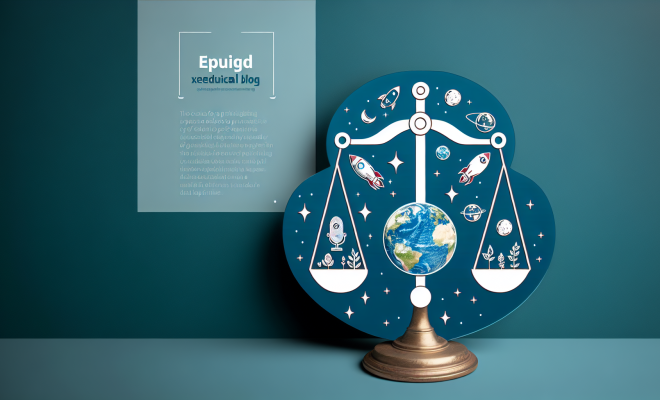
As humanity stands on the precipice of a new era in space exploration, a growing debate raises critical questions about our priorities in the cosmos. While ambitious projects like NASA’s Artemis program aim to return humans to the Moon and eventually send astronauts to Mars, many experts and advocates argue that such endeavors may be misguided and excessively costly. Instead of investing billions in manned missions, they suggest reallocating those funds towards addressing pressing environmental challenges here on Earth.
The High Costs of Human Space Travel
Space travel, particularly human space travel, comes with astronomical expenses. The Artemis program alone is projected to cost over $93 billion by 2025, a staggering figure that raises eyebrows among taxpayers and environmentalists alike. Critics argue that these funds could be more effectively utilized to combat climate change, deforestation, and other urgent issues facing our planet.
A Vanity Project?
Many see the Artemis program and similar initiatives as vanity projects, driven by a desire for national prestige rather than the genuine advancement of science. While the exploration of space undoubtedly contributes to our understanding of the universe, the argument stands that the benefits do not justify the costs when we consider the immediate needs of our planet.
Diverting Resources to Earth’s Challenges
The financial resources dedicated to manned space missions could instead be poured into combating climate change, addressing biodiversity loss, and developing sustainable technologies. For instance, the funds allocated for a single Artemis mission could provide significant support for renewable energy initiatives, clean water access, and global health programs. By prioritizing these issues, we could create a more sustainable future for all of humanity.
Environmental Impacts of Space Missions
Moreover, the environmental impacts of space missions cannot be overlooked. Rocket launches contribute to greenhouse gas emissions and can potentially harm the ozone layer. The increased frequency of launches with ambitious space exploration plans raises concerns about their long-term effects on our atmosphere. Critics argue that we must consider the ecological footprint of space exploration before committing vast resources to it.
Robotic Exploration: A Viable Alternative
If we must continue exploring space, some experts advocate for a shift towards robotic exploration rather than manned missions. Robotic spacecraft have proven to be effective, cost-efficient, and far less risky than human crews. Projects like the Mars rovers and the Voyager spacecraft have yielded invaluable data about our solar system without the need for human presence.
- Cost Efficiency: Robotic missions typically require fewer resources than manned missions, allowing for more exploration with less financial strain.
- Safety: Robots eliminate risks to human life, making exploration safer and allowing for missions in more hazardous environments.
- Scientific Returns: Robotic missions can be designed to perform specific tasks and gather data, often returning more information than their manned counterparts.
Lessons from History
Historically, many significant advances in our understanding of space have come from robotic missions. For example, the Hubble Space Telescope has provided stunning images and groundbreaking discoveries about the universe, all without the need for astronauts to venture into orbit. These successes suggest that a focus on technology rather than human presence could yield better results at a fraction of the cost.
Public Sentiment and Policy Change
As public awareness of climate change and environmental degradation grows, sentiment is shifting. Many citizens advocate for the redirection of funds from space exploration to more immediate concerns. Policymakers are increasingly pressured to reassess national priorities, considering the potential impact on future generations.
In light of these discussions, it becomes critical for space agencies and governments to engage with the public, addressing concerns and presenting clear justifications for their missions. Transparency about the costs, benefits, and potential environmental impacts of space travel is essential for maintaining public support.
Conclusion: A Balanced Approach
While humanity’s quest for knowledge and understanding of the cosmos is undeniably important, the argument for prioritizing Earth’s immediate needs is compelling. By diverting resources from costly manned missions to addressing our planet’s environmental challenges, we can work towards a sustainable future while still pursuing exploration through robotic means. Balancing our aspirations for space with our responsibilities to Earth may be the key to ensuring that both endeavors can coexist and flourish.