Tesla Secures Landmark Approval for Supervised Self-Driving Software in the Netherlands
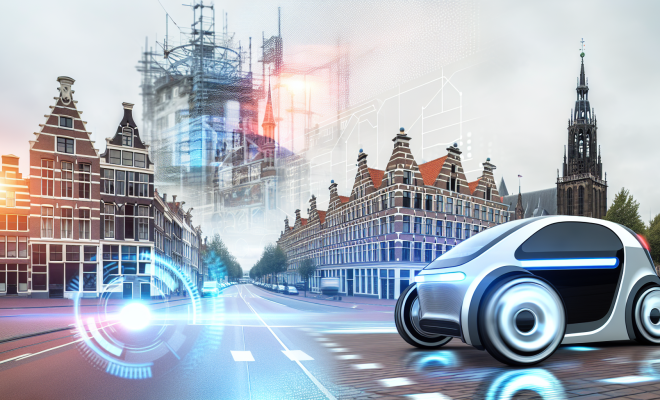
Tesla has made a significant stride in its quest for autonomous driving technology, as Dutch regulators have become the first in Europe to approve the company’s supervised self-driving software for use on both highways and city streets. This milestone not only marks a pivotal moment for Tesla but also sets a precedent for other nations within the European Union, potentially paving the way for broader acceptance of autonomous driving technologies across the continent.
The Approval Process
The Dutch approval follows rigorous assessments of Tesla’s self-driving software, which is designed to operate under human supervision. This means that while the vehicle can navigate and drive itself under certain conditions, a human driver must remain attentive and capable of taking control when necessary. This approach aligns with the increasing regulatory scrutiny surrounding autonomous driving technologies, ensuring that safety remains a priority.
Implications for Tesla and the EU
Tesla’s approval in the Netherlands is strategically significant. The company views this as an opportunity to influence regulatory frameworks throughout the EU. Tesla CEO Elon Musk has long advocated for the advancement of autonomous driving technologies, and this approval could serve as a catalyst for similar endorsements in other EU member states.
With the European market being a key area for Tesla’s growth, the approval not only enhances the company’s competitiveness but also strengthens its position as a leader in the electric vehicle (EV) sector. As the EU continues to push for sustainable transportation solutions, Tesla’s advancements in self-driving technology could align well with broader governmental objectives.
Features of the Supervised Self-Driving Software
The supervised self-driving software developed by Tesla incorporates advanced algorithms and machine learning capabilities, enabling vehicles to handle a variety of driving scenarios. Some of the notable features include:
- Highway Autopilot: The software can manage speed and lane changes on highways, making long-distance travel more convenient.
- Urban Navigation: In city environments, the software can recognize traffic signals, pedestrians, and navigate through intersections.
- Real-Time Updates: Tesla vehicles receive over-the-air software updates, ensuring that drivers have access to the latest enhancements and safety features.
These capabilities not only improve the driving experience but also contribute to overall road safety by reducing the likelihood of human error, which is a leading cause of accidents.
Challenges Ahead
Despite this landmark approval, Tesla faces several challenges as it rolls out its supervised self-driving software across Europe. Regulatory bodies in different countries may adopt varying standards for approval, which could complicate Tesla’s expansion plans. Moreover, public perception and acceptance of autonomous driving technology remain crucial factors.
While many consumers are enthusiastic about the prospects of self-driving vehicles, concerns over safety and reliability persist. Tesla must address these concerns through transparent communication and by demonstrating the effectiveness of its technology in real-world situations.
Broader Industry Context
Tesla is not alone in its pursuit of autonomous driving technology. Several automotive manufacturers and tech companies are also investing heavily in similar technologies. The competition is fierce, with companies like Waymo, Cruise, and traditional automakers developing their own autonomous systems.
The approval of Tesla’s software in the Netherlands highlights the importance of regulatory collaboration among nations. As countries work to establish frameworks for autonomous vehicles, a unified approach could help accelerate innovation while ensuring safety standards are met.
Looking Ahead
As Tesla continues to build on its recent success in the Netherlands, the company’s next steps will be closely watched by industry analysts, investors, and regulatory authorities alike. The implications of this approval extend beyond Tesla, having the potential to shape the future of transportation in Europe and beyond.
With ongoing advancements in AI and machine learning, the future of autonomous driving looks promising. If Tesla can successfully navigate the challenges ahead and demonstrate the reliability of its supervised self-driving software, it may not only strengthen its market position but also revolutionize the way people think about driving.
In conclusion, Tesla’s recent approval for its supervised self-driving software in the Netherlands represents a significant achievement in the automotive industry. It provides a glimpse into the future of transportation and underscores the company’s commitment to innovation and safety. As the landscape of mobility continues to evolve, Tesla stands at the forefront, ready to drive change across Europe.