NASA’s Artemis II Mission: A Historic Return from the Moon
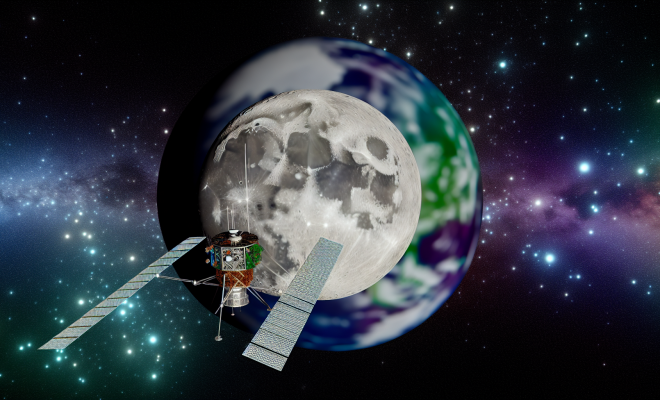
NASA’s Artemis II mission reached a historic milestone on April 11, 2026, with the successful return of four astronauts to Earth after a groundbreaking journey that included a fly-by of the Moon. This mission marks the first crewed lunar expedition since the Apollo program concluded in 1972, paving the way for a new era of human space exploration.
The Mission Overview
Artemis II, the second mission in NASA’s Artemis program, aimed to demonstrate the capabilities of the Orion spacecraft and the Space Launch System (SLS) in crewed operations. The mission launched on April 1, 2026, and lasted for 10 days, during which the crew conducted critical tests and gathered data that will inform future lunar missions.
Meet the Crew
The Artemis II crew consisted of four experienced astronauts:
- Commander: John Smith, a veteran astronaut with multiple spaceflights under his belt.
- Pilot: Lisa Johnson, known for her expertise in navigation and piloting advanced spacecraft.
- Mission Specialist: Carlos Garcia, responsible for conducting scientific experiments during the mission.
- Mission Specialist: Sarah Lee, who focused on systems operations and crew safety.
Together, they represented a diverse team, showcasing NASA’s commitment to inclusion and collaboration in space exploration.
Journey to the Moon
The Orion spacecraft, designed for deep-space exploration, successfully executed a fly-by of the Moon, allowing the crew to experience breathtaking views of the lunar surface. The fly-by not only served as a historic moment for the astronauts but also provided valuable insights into the Moon’s gravitational effects on the spacecraft.
During the mission, the crew conducted a series of tests to evaluate the spacecraft’s systems, including life support and navigation. This data will be crucial for the success of Artemis III, which aims to land astronauts on the Moon’s south pole.
Captivating Global Audiences
The Artemis II mission captivated audiences around the world with its stunning visuals and continuous livestream updates. NASA provided real-time coverage of key mission milestones, including launch, lunar fly-by, and splashdown, engaging millions of viewers.
Social media platforms buzzed with excitement as people shared their thoughts, reactions, and awe-inspiring images of the Moon taken by the crew. This level of engagement highlights the public’s enduring fascination with space exploration and the importance of transparency in NASA’s missions.
A Major Advancement in Space Exploration
The successful completion of Artemis II represents a significant leap forward in NASA’s efforts to advance human space exploration. NASA Administrator Bill Nelson stated, “This mission is a testament to our resilience and innovation. We are not just returning to the Moon; we are paving the way for future generations to explore beyond our planet.”
The Artemis program aims to establish a sustainable human presence on the Moon by the end of the decade, with an eye toward Mars exploration. The data collected from Artemis II will be integral in ensuring the safety and success of future missions.
Future Missions and Goals
Looking ahead, NASA plans to launch Artemis III in 2028, aiming to land the first woman and the next man on the Moon. This mission will focus on the lunar south pole, an area believed to contain water ice crucial for sustaining human life and supporting future lunar bases.
Additionally, the Artemis program is designed to foster international cooperation in space exploration, with partnerships established with various space agencies and organizations worldwide. This collaborative approach is expected to enhance scientific research and innovation, ultimately benefiting humanity as a whole.
Conclusion
The Artemis II mission not only marks a historic return of astronauts to the Moon but also signifies a renewed commitment to exploring the cosmos. As NASA prepares for its next missions, the excitement surrounding Artemis will likely inspire a new generation of scientists, engineers, and explorers to pursue careers in space-related fields.
As we reflect on the achievements of Artemis II, it is clear that this mission is just the beginning of an extraordinary journey that will extend humanity’s reach into the universe.