The Edvocate

Top Menu

Main Menu

  • Start Here
    • Our Brands
    • Governance
      • Lynch Education Consulting, LLC.
      • Dr. Lynch’s Personal Website
      • Careers
    • Write For Us
    • Books
    • The Tech Edvocate Product Guide
    • Contact Us
    • The Edvocate Podcast
    • Edupedia
    • Pedagogue
    • Terms and Conditions
    • Privacy Policy
  • PreK-12
    • Assessment
    • Assistive Technology
    • Best PreK-12 Schools in America
    • Child Development
    • Classroom Management
    • Early Childhood
    • EdTech & Innovation
    • Education Leadership
    • Equity
    • First Year Teachers
    • Gifted and Talented Education
    • Special Education
    • Parental Involvement
    • Policy & Reform
    • Teachers
  • Higher Ed
    • Best Colleges and Universities
    • Best College and University Programs
    • HBCU’s
    • Diversity
    • Higher Education EdTech
    • Higher Education
    • International Education
  • Advertise
  • The Tech Edvocate Awards
    • The Awards Process
    • Finalists and Winners of The 2026 Tech Edvocate Awards
    • Finalists and Winners of The 2025 Tech Edvocate Awards
    • Finalists and Winners of The 2024 Tech Edvocate Awards
    • Finalists and Winners of The 2023 Tech Edvocate Awards
    • Finalists and Winners of The 2021 Tech Edvocate Awards
    • Finalists and Winners of The 2022 Tech Edvocate Awards
    • Finalists and Winners of The 2020 Tech Edvocate Awards
    • Finalists and Winners of The 2019 Tech Edvocate Awards
    • Finalists and Winners of The 2018 Tech Edvocate Awards
    • Finalists and Winners of The 2017 Tech Edvocate Awards
    • Award Seals
  • Apps
    • GPA Calculator for College
    • GPA Calculator for High School
    • Cumulative GPA Calculator
    • Grade Calculator
    • Weighted Grade Calculator
    • Final Grade Calculator
  • The Tech Edvocate
  • Post a Job
  • AI Powered Personal Tutor

logo

The Edvocate

  • Start Here
    • Our Brands
    • Governance
      • Lynch Education Consulting, LLC.
      • Dr. Lynch’s Personal Website
        • My Speaking Page
      • Careers
    • Write For Us
    • Books
    • The Tech Edvocate Product Guide
    • Contact Us
    • The Edvocate Podcast
    • Edupedia
    • Pedagogue
    • Terms and Conditions
    • Privacy Policy
  • PreK-12
    • Assessment
    • Assistive Technology
    • Best PreK-12 Schools in America
    • Child Development
    • Classroom Management
    • Early Childhood
    • EdTech & Innovation
    • Education Leadership
    • Equity
    • First Year Teachers
    • Gifted and Talented Education
    • Special Education
    • Parental Involvement
    • Policy & Reform
    • Teachers
  • Higher Ed
    • Best Colleges and Universities
    • Best College and University Programs
    • HBCU’s
    • Diversity
    • Higher Education EdTech
    • Higher Education
    • International Education
  • Advertise
  • The Tech Edvocate Awards
    • The Awards Process
    • Finalists and Winners of The 2026 Tech Edvocate Awards
    • Finalists and Winners of The 2025 Tech Edvocate Awards
    • Finalists and Winners of The 2024 Tech Edvocate Awards
    • Finalists and Winners of The 2023 Tech Edvocate Awards
    • Finalists and Winners of The 2021 Tech Edvocate Awards
    • Finalists and Winners of The 2022 Tech Edvocate Awards
    • Finalists and Winners of The 2020 Tech Edvocate Awards
    • Finalists and Winners of The 2019 Tech Edvocate Awards
    • Finalists and Winners of The 2018 Tech Edvocate Awards
    • Finalists and Winners of The 2017 Tech Edvocate Awards
    • Award Seals
  • Apps
    • GPA Calculator for College
    • GPA Calculator for High School
    • Cumulative GPA Calculator
    • Grade Calculator
    • Weighted Grade Calculator
    • Final Grade Calculator
  • The Tech Edvocate
  • Post a Job
  • AI Powered Personal Tutor
  • New Poll: Parents Overwhelmingly Support the Agreement Between the States & Meta To Keep Young People Safe Online

  • Shocking Truth: California Families Face Healthcare Catastrophe After Feds Pull Funding for Trans Kids

  • This One Change Is Dramatically Boosting Teen Sleep and Grades

  • NYC to Ban Student AI Tools in 2-K Through 8th Grade, Limit Classroom Screen Time

  • 7 Secrets to a Jaw-Dropping Instructional Design Portfolio That Gets You Hired

  • Why Instructional Design Freelance vs Full-Time Jobs is the Ultimate Career Showdown

  • The Secret to Landing a $93K EdTech Job: These Courses Are Your Golden Ticket

  • This Crucial Skill Makes You Irresistible to Edtech — And It’s Not What You Think

  • 7 Radical DEI Program Alternatives Private Colleges Must Embrace Now

  • Warning: How Proposed DEI Rules Could CRUSH Colleges — And The Legal Lifelines You Need Now

Uncategorized
Home›Uncategorized›NASA’s Artemis II Mission: A Historic Return from the Moon

NASA’s Artemis II Mission: A Historic Return from the Moon
By Matthew Lynch
April 11, 2026
0
Spread the love

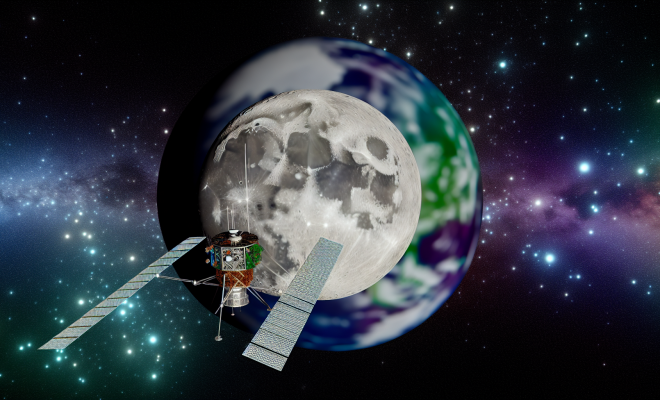
NASA’s Artemis II mission reached a historic milestone on April 11, 2026, with the successful return of four astronauts to Earth after a groundbreaking journey that included a fly-by of the Moon. This mission marks the first crewed lunar expedition since the Apollo program concluded in 1972, paving the way for a new era of human space exploration.

The Mission Overview

Artemis II, the second mission in NASA’s Artemis program, aimed to demonstrate the capabilities of the Orion spacecraft and the Space Launch System (SLS) in crewed operations. The mission launched on April 1, 2026, and lasted for 10 days, during which the crew conducted critical tests and gathered data that will inform future lunar missions.

Meet the Crew

The Artemis II crew consisted of four experienced astronauts:

  • Commander: John Smith, a veteran astronaut with multiple spaceflights under his belt.
  • Pilot: Lisa Johnson, known for her expertise in navigation and piloting advanced spacecraft.
  • Mission Specialist: Carlos Garcia, responsible for conducting scientific experiments during the mission.
  • Mission Specialist: Sarah Lee, who focused on systems operations and crew safety.

Together, they represented a diverse team, showcasing NASA’s commitment to inclusion and collaboration in space exploration.

Journey to the Moon

The Orion spacecraft, designed for deep-space exploration, successfully executed a fly-by of the Moon, allowing the crew to experience breathtaking views of the lunar surface. The fly-by not only served as a historic moment for the astronauts but also provided valuable insights into the Moon’s gravitational effects on the spacecraft.

During the mission, the crew conducted a series of tests to evaluate the spacecraft’s systems, including life support and navigation. This data will be crucial for the success of Artemis III, which aims to land astronauts on the Moon’s south pole.

Captivating Global Audiences

The Artemis II mission captivated audiences around the world with its stunning visuals and continuous livestream updates. NASA provided real-time coverage of key mission milestones, including launch, lunar fly-by, and splashdown, engaging millions of viewers.

Social media platforms buzzed with excitement as people shared their thoughts, reactions, and awe-inspiring images of the Moon taken by the crew. This level of engagement highlights the public’s enduring fascination with space exploration and the importance of transparency in NASA’s missions.

A Major Advancement in Space Exploration

The successful completion of Artemis II represents a significant leap forward in NASA’s efforts to advance human space exploration. NASA Administrator Bill Nelson stated, “This mission is a testament to our resilience and innovation. We are not just returning to the Moon; we are paving the way for future generations to explore beyond our planet.”

The Artemis program aims to establish a sustainable human presence on the Moon by the end of the decade, with an eye toward Mars exploration. The data collected from Artemis II will be integral in ensuring the safety and success of future missions.

Future Missions and Goals

Looking ahead, NASA plans to launch Artemis III in 2028, aiming to land the first woman and the next man on the Moon. This mission will focus on the lunar south pole, an area believed to contain water ice crucial for sustaining human life and supporting future lunar bases.

Additionally, the Artemis program is designed to foster international cooperation in space exploration, with partnerships established with various space agencies and organizations worldwide. This collaborative approach is expected to enhance scientific research and innovation, ultimately benefiting humanity as a whole.

Conclusion

The Artemis II mission not only marks a historic return of astronauts to the Moon but also signifies a renewed commitment to exploring the cosmos. As NASA prepares for its next missions, the excitement surrounding Artemis will likely inspire a new generation of scientists, engineers, and explorers to pursue careers in space-related fields.

As we reflect on the achievements of Artemis II, it is clear that this mission is just the beginning of an extraordinary journey that will extend humanity’s reach into the universe.


Previous Article

American Travelers Prioritize Safety in Spring 2023 ...

Next Article

House-Sized Asteroid 2023 HB4 to Safely Pass ...

Matthew Lynch

Related articles More from author

  • Uncategorized

    The Best Halloween Poems for Kids and Students of All Ages

    June 28, 2026
    By Matthew Lynch
  • Uncategorized

    3 Candy Corn Math Ideas for Hands-on Learning

    January 2, 2025
    By Matthew Lynch
  • Uncategorized

    20 Creative Back-to-School Bulletin Board Ideas for 2024

    January 2, 2025
    By Matthew Lynch
  • Uncategorized

    U.S. State Dept. Lowers Travel Warning for South America (2026)

    March 20, 2026
    By Matthew Lynch
  • Uncategorized

    Caffeine & Bone Health: A Surprising New Look

    June 28, 2026
    By Matthew Lynch
  • Uncategorized

    Elementary School Assessment Apps That You Will Love

    January 2, 2025
    By Matthew Lynch

Search

Registration and Login

  • Log in
  • Entries feed
  • Comments feed
  • WordPress.org

Newsletter

Signup for The Edvocate Newsletter and have the latest in P-20 education news and opinion delivered to your email address!

RSS feed: Matthew on Education Week Matthew on Education Week

  • Au Revoir from Education Futures November 20, 2018 Matthew Lynch
  • 6 Steps to Data-Driven Literacy Instruction October 17, 2018 Matthew Lynch
  • Four Keys to a Modern IT Approach in K-12 Schools October 2, 2018 Matthew Lynch
  • What's the Difference Between Burnout and Demoralization, and What Can Teachers Do About It? September 27, 2018 Matthew Lynch
  • Revisiting Using Edtech for Bullying and Suicide Prevention September 10, 2018 Matthew Lynch

About Us

The Edvocate was created in 2014 to argue for shifts in education policy and organization in order to enhance the quality of education and the opportunities for learning afforded to P-20 students in America. What we envisage may not be the most straightforward or the most conventional ideas. We call for a relatively radical and certainly quite comprehensive reorganization of America’s P-20 system.

That reorganization, though, and the underlying effort, will have much to do with reviving the American education system, and reviving a national love of learning.  The Edvocate plans to be one of key architects of this revival, as it continues to advocate for education reform, equity, and innovation.

Newsletter

Signup for The Edvocate Newsletter and have the latest in P-20 education news and opinion delivered to your email address!

Contact

The Edvocate
910 Goddin Street
Richmond, VA 23230
(601) 630-5238
[email protected]
  • situs togel online
  • dentoto
  • situs toto 4d
  • situs toto slot
  • toto slot 4d
Copyright (c) 2026 Matthew Lynch. All rights reserved.