A Global Crisis: 273 Million Children Remain Out of School
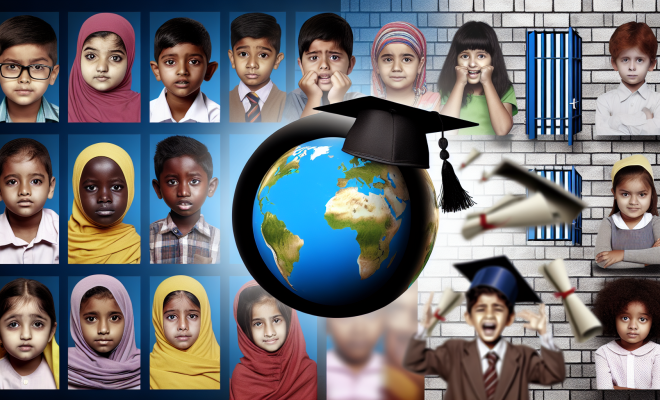
A recent report from UNESCO has unveiled a staggering statistic: 273 million children worldwide are currently out of school. This alarming figure marks the seventh consecutive year of an increase in children missing out on education, raising significant concerns about the future of global education systems. With an estimated 194 million of these children being of secondary school age, the implications for youth development and societal progress are profound.
The Education Gap: Secondary School Age Children
Of the 273 million children not in school, 194 million are at the secondary school level. This population faces a bleak educational landscape, as approximately one-third of young people do not complete their secondary education. This trend not only hampers individual opportunities but also poses a serious challenge to national development and economic growth.
The Importance of Early Education
Compounding the issue, the report highlights that only 60 percent of primary students have access to pre-primary education. This early stage of learning is critical for brain development, setting the foundation for lifelong learning and personal development. The lack of pre-primary education can have lasting effects, particularly in regions where educational resources are already scarce.
Regional Disparities in Education Access
Sub-Saharan Africa is particularly affected, with fewer than one in four pre-primary children enrolled in educational programs. This stark statistic underscores the regional disparities that exist in education access. Factors such as poverty, conflict, and inadequate infrastructure contribute to these challenges, leaving millions of children without the fundamental right to education.
- Poverty: Families in low-income regions often prioritize immediate survival over education.
- Conflict: Ongoing wars and instability disrupt education systems and displace families.
- Inadequate Infrastructure: Lack of schools and trained educators limits access to quality education.
Future Projections: A Grim Outlook
The report paints a grim picture for the future of secondary education completion. At current rates, the goal of achieving a 95 percent upper secondary completion rate will not be realized until the year 2105. This timeline is unacceptable, prompting urgent calls for action to address the educational crisis.
Call for Global Action
In light of these findings, UNESCO has urged the establishment of a new UN treaty aimed at providing free pre-primary and secondary education for all children. This initiative has gained support from over 60 countries, signaling a global recognition of the need to prioritize education as a fundamental human right.
The Role of Governments and Organizations
Governments, international organizations, and civil society must come together to address this crisis. Key actions include:
- Investment in Education: Increased funding for education systems, particularly in under-resourced regions.
- Policy Reform: Development of policies that ensure equitable access to education for all children.
- Community Engagement: Involving local communities in educational initiatives to foster support and sustainability.
Conclusion: The Path Forward
The UNESCO report serves as a wake-up call to the global community regarding the urgent need for action in the education sector. With millions of children out of school, the potential for social and economic advancement is stunted. By prioritizing education and ensuring access to quality learning opportunities, we can pave the way for a brighter future for children everywhere.
As we move forward, the collaboration between nations, organizations, and communities will be essential in overcoming the barriers that prevent children from accessing education. The call for a UN treaty for free pre-primary and secondary education is a crucial step in this direction, and it is imperative that stakeholders act now to make quality education a reality for all children.