Australia Investigates Tech Giants Over Under-16 Social Media Ban Violations (20
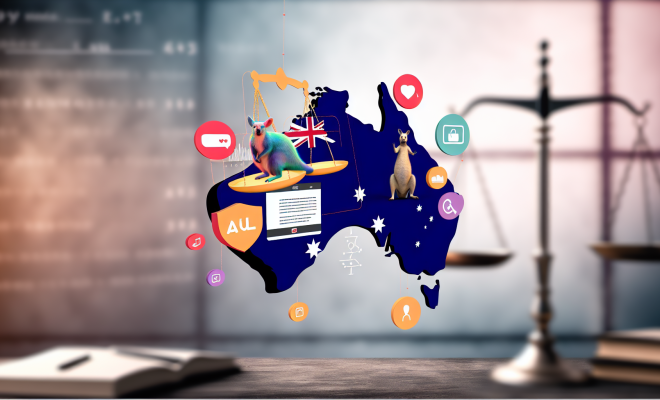
In a decisive move aimed at safeguarding minors online, Australia has launched a formal investigation into major technology companies, including Facebook, TikTok, and YouTube, for potential breaches of its stringent under-16 social media ban. This investigation, initiated on March 31, 2026, underscores the nation’s commitment to enforcing child protection laws designed to shield young users from the risks associated with social media platforms.
The Under-16 Social Media Ban
Australia’s under-16 social media ban is among the most rigorous in the world, reflecting growing concerns over the impact of social media on youth mental health and safety. Under this legislation, social media platforms are required to implement stringent age verification processes to prevent minors from accessing their services without parental consent. The law aims to curb exposure to harmful content, cyberbullying, and predatory behaviors that can endanger young users.
Allegations Against Tech Giants
The investigation is focused on whether Facebook, TikTok, and YouTube have adequately complied with these regulations. Authorities are scrutinizing claims that these platforms have not taken sufficient measures to verify users’ ages effectively. Reports indicate that numerous underage users may have gained access to these platforms, which directly contravenes the legal framework established to protect minors.
Potential Consequences of Non-Compliance
If the investigation finds that these companies have indeed failed to adhere to the ban, they could face serious repercussions. Possible outcomes include hefty fines, mandatory changes to their user verification processes, and increased regulatory oversight. This enforcement action represents a significant shift towards holding tech giants accountable for their role in protecting vulnerable demographics, particularly children.
Global Context of Child Protection Online
The scrutiny of social media platforms is not confined to Australia alone. Many countries are increasingly recognizing the need for robust measures to protect children online. In recent years, global incidents of cyberbullying, exploitation, and exposure to inappropriate content have prompted lawmakers worldwide to consider stricter regulations governing social media use among minors.
- United States: Various states have proposed legislation that aims to impose age verification requirements on social media platforms, echoing Australia’s approach.
- European Union: The EU has introduced directives aimed at increasing online safety for children, mandating stringent controls for tech companies operating within its jurisdiction.
- United Kingdom: The UK is in the process of implementing the Online Safety Bill, which seeks to impose legal duties on social media platforms to protect children from harmful content.
Reactions from Stakeholders
The investigation has elicited a variety of responses from stakeholders, including child advocacy groups, parents, and the tech companies themselves. Child protection advocates have lauded the Australian government’s initiative, emphasizing the need for stringent enforcement of laws designed to safeguard children online.
“It is crucial that we hold these platforms accountable for their role in protecting our children. The risks associated with unrestricted access to social media can be catastrophic,” stated Jane Doe, a spokesperson for a leading child advocacy organization.
On the other hand, representatives from the tech companies have expressed their commitment to ensuring compliance with local laws and enhancing user safety. A spokesperson from TikTok mentioned that the company is actively working on improving its age verification technologies to better align with regulatory requirements.
The Road Ahead for Social Media Regulation
As the investigation unfolds, it highlights the ongoing tension between the rapid evolution of social media technology and the legal frameworks that seek to regulate it. The results of this inquiry could set a precedent for future actions against tech companies, potentially influencing regulatory approaches in other nations.
Moreover, the scrutiny could encourage tech companies to invest more heavily in technology and resources aimed at better protecting young users. Innovations in AI-driven age verification, content moderation, and user reporting systems may become priorities for platforms seeking to avoid similar investigations in the future.
Conclusion
Australia’s investigation into the compliance of Facebook, TikTok, and YouTube with its under-16 social media ban marks a pivotal moment in the global discourse on child safety online. As more governments take action to regulate social media use among minors, the tech industry will face increasing pressure to adopt responsible practices that prioritize the well-being of young users. The outcome of this investigation will not only affect the companies involved but may also shape the future landscape of social media regulation worldwide.