Austria Bans Social Media for Under-14s: A Landmark 2026 Decision
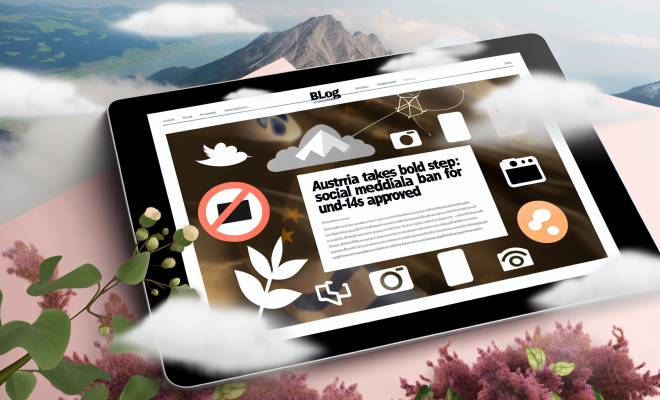
In a significant move to protect young users from potential harms associated with social media, Austria has officially approved a ban on social media access for children under the age of 14. This decision, which comes amid growing global concerns regarding the negative impacts of social media on youth, aligns Austria with a broader international trend seen in various countries such as Indonesia and Australia.
Understanding the Ban
The Austrian government has recognized the need for tighter regulations surrounding the use of social media platforms by minors. With the rapid rise of social media usage among younger demographics, officials are increasingly worried about issues such as addiction, cyberbullying, and the potential for exposure to harmful content.
The new legislation, highlighted in the morning briefing on March 28, 2026, is currently in the process of finalization. It aims to create a safer online environment for children, emphasizing the importance of protecting their mental health and well-being. The legislation is set to introduce age verification processes to ensure compliance and prevent underage users from accessing popular platforms.
Global Context of Youth Social Media Restrictions
Austria’s ban is part of a growing trend among nations recognizing the need to shield younger populations from the pitfalls of social media. Countries like Indonesia and Australia have implemented similar restrictions in response to alarming statistics regarding youth mental health. Reports have indicated that increased social media exposure correlates with heightened feelings of anxiety and loneliness among adolescents.
- In Indonesia, a law was passed to restrict access to social media for children under 13, citing concerns over cyberbullying and addiction.
- Australia has introduced guidelines for social media companies to ensure better protection for young users, including stricter age verification measures.
- In the United States, various states have proposed or enacted legislation aimed at regulating social media use among minors, highlighting the urgency of the issue.
The Rationale Behind the Legislation
The decision to ban social media for children under 14 in Austria is primarily driven by several key factors:
- Mental Health Concerns: Studies have shown a direct link between excessive social media use and mental health issues such as depression and anxiety in young people.
- Cyberbullying: The anonymity provided by social media platforms can lead to increased instances of bullying, which can have devastating effects on young users.
- Addiction: Many children struggle with addiction to social media, leading to decreased academic performance and social interaction in the real world.
By implementing this ban, Austria aims to mitigate these risks and foster healthier digital habits among younger individuals. The government believes that by restricting access, children will be encouraged to engage in more meaningful offline interactions and activities.
The Implementation Process
While the legislation has been approved, the practicalities of enforcement are still being worked out. The government is expected to establish guidelines that will outline how age verification will be conducted. This may involve collaboration with social media platforms to develop robust systems capable of accurately verifying users’ ages.
Additionally, educational initiatives will be essential to inform parents and children about the risks associated with social media use. Schools may also play a crucial role in teaching children about online safety and promoting healthy digital behavior.
Response from the Public and Experts
The announcement of the social media ban has elicited a mixed response from the public and experts in child psychology and digital media. Many parents have expressed support for the legislation, citing the need for stronger protections for their children in an increasingly digital world. However, some critics argue that such restrictions may infringe on personal freedoms and the ability of children to connect with peers.
Child psychologists have largely welcomed the decision, emphasizing the importance of prioritizing mental health and well-being. They argue that while social media can offer benefits, such as connectivity and creative expression, the potential harms often outweigh these advantages for young users.
Conclusion
Austria’s groundbreaking decision to ban social media for children under 14 represents a proactive approach to safeguarding the mental health of its youth. As the legislation is finalized and implemented, it remains to be seen how effective these measures will be in curbing the negative impacts of social media. Nonetheless, Austria joins a growing list of countries taking steps to address the urgent need for online safety in an era where digital interaction continues to dominate the lives of young individuals.