Countries Worldwide Restrict Minors’ Social Media Access
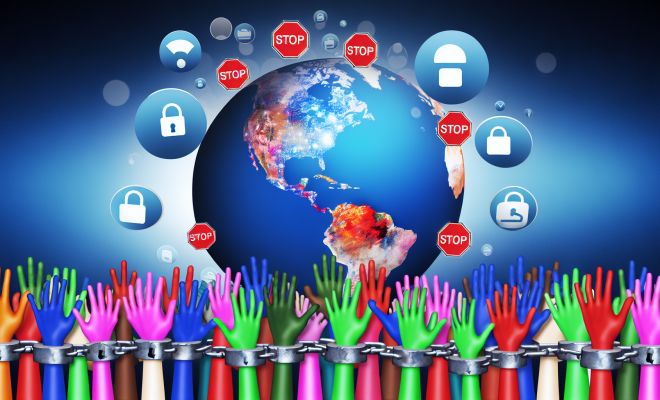
As concerns over the impact of social media on young people mount, a growing number of countries are taking decisive action to limit minors’ access to popular platforms. Governments are increasingly recognizing the potential risks associated with social media use, including addiction, cyberbullying, and exposure to inappropriate content. From India to Australia and Indonesia, various nations are implementing stricter regulations to protect children and teenagers in the digital landscape.
India: A Focus on Age Restrictions
In India, the government is actively discussing the introduction of age-based restrictions for social media platforms. Individual states have taken the initiative to propose specific age limits. For instance, Karnataka is considering a ban on social media access for those under the age of 16, while Andhra Pradesh is targeting users under 13. Moreover, Maharashtra is addressing the issue within its legislative assembly, reflecting a broader national trend toward safeguarding minors from potential online harms.
Rising Concerns in India
The push for stricter regulations in India is fueled by rising concerns about the mental health impacts of social media on young users. Reports of cyberbullying and online harassment have surged, prompting calls for protective measures. By implementing age restrictions, Indian authorities aim to create a safer online environment for children, allowing them to engage with technology without facing the risks associated with inappropriate content and negative interactions.
Australia: The First Nationwide Teen Ban
Australia has taken a landmark step in regulating minors’ access to social media by enacting the first nationwide ban specifically targeting teenagers. This legislation, which came into effect in December 2025, allows for fines of up to A$49.5 million for social media platforms that fail to comply with the rules. The move was prompted by growing concerns over the impact of social media on youth mental health and well-being.
Enforcement and Compliance
The Australian government has established a framework to enforce compliance among social media companies. By imposing significant financial penalties, officials hope to encourage platforms to take the necessary steps to verify user ages and ensure that minors are not accessing content or services that could be harmful. This proactive approach represents a significant shift in the way governments are addressing the challenges posed by social media.
Indonesia: Setting the Age Limit at 16
Indonesia has also joined the movement by restricting social media access for individuals under 16 years of age. This policy aims to mitigate the risks associated with social media use among younger populations, particularly in a country where internet penetration is rapidly increasing. Similar to India and Australia, Indonesia’s regulations are rooted in concerns about the mental health of youth and the need for protective measures against cyberbullying.
The Global Context
Indonesia’s decision reflects a broader global trend where countries are reevaluating their approach to social media and its impact on youth. As governments recognize the significant role that social media plays in shaping young people’s lives, the call for regulations is becoming increasingly urgent. Countries around the world are looking to create guidelines that ensure safer online experiences for minors.
Austria: Following Suit with Age Restrictions
Austria is another country considering similar restrictions, with proposed regulations that would ban social media access for children under the age of 14. This initiative is part of a larger European movement to protect children from the pitfalls of digital engagement. By establishing a legal framework for age restrictions, Austria aims to promote healthier online habits among young users.
The Importance of Protecting Young Users
The rationale behind these regulations transcends mere age limitations; it is fundamentally about safeguarding the well-being of minors in an increasingly digital world. The rise of cyberbullying, online exploitation, and mental health issues linked to social media use has prompted a collective response from governments worldwide. By implementing age restrictions, authorities hope to reduce exposure to harmful content and foster a healthier environment for youth.
Potential Implications and Challenges
While the push for stricter regulations is largely viewed as a positive step toward protecting minors, there are potential implications and challenges to consider. Social media companies will need to invest in robust age verification systems to comply with these new laws, which may pose logistical challenges. Additionally, there is the concern that overly stringent regulations could lead to unintended consequences, such as limiting access to valuable educational resources or social connections.
A Balanced Approach
Finding a balance between protecting children and allowing them to engage with technology is crucial. Governments must work collaboratively with social media companies to create solutions that prioritize safety while still fostering positive online experiences. Education on digital literacy and responsible online behavior will also play a vital role in helping young users navigate the complexities of social media.
Conclusion: A Shared Responsibility
The global trend toward stricter regulations on minors’ social media access underscores a shared responsibility among governments, social media platforms, and society at large to protect young users. As countries like India, Australia, Indonesia, and Austria take steps to establish age restrictions, the hope is that these measures will contribute to a safer online environment where children can thrive without the risks associated with unchecked social media use.