Texas Hemp Industry Faces Uncertain Future as New Regulations Loom
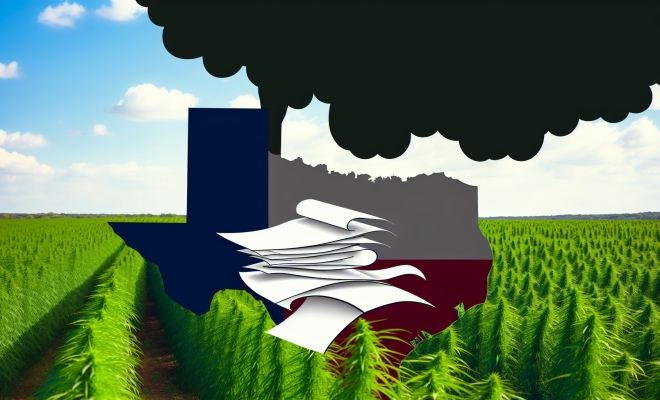
The Texas hemp market is bracing for significant changes as the Texas Department of State Health Services (DSHS) has announced new regulations that could drastically impact the smokable hemp sector. Effective March 31, 2026, these rules mandate the inclusion of tetrahydrocannabinolic acid (THCA) in the calculations for total THC content. This pivotal change is poised to essentially ban smokable hemp products, which represent a substantial portion of sales for many businesses in the state.
Understanding the Implications of THCA Regulation
Under the new regulations, THCA, which is non-psychoactive in its raw form, will be factored into the total THC calculation. When heated, THCA converts to delta-9 THC, the psychoactive component associated with marijuana. By including THCA in the THC content calculations, the DSHS is effectively raising the legal threshold for hemp products, making it nearly impossible for smokable hemp to meet compliance standards.
The Economic Impact on Hemp Businesses
Many businesses, particularly those like Alamo Bud Co., have expressed deep concerns regarding the economic ramifications of these new regulations. Alamo Bud Co. reports that approximately 70% of its sales come from smokable hemp products. With the new rules potentially leading to the removal of these products from store shelves, companies fear a significant loss of revenue and market share.
Moreover, the shift in regulations may force some businesses to consider shipping their products out of state, further complicating their operations. The transition to a non-smokable product line could also lead to a loss of jobs and a decline in the overall economic viability of the Texas hemp industry.
Legal Challenges Ahead
In response to these sweeping changes, the Texas Hemp Business Council, under the leadership of Executive Director Mark Bordas, is preparing to challenge the regulations in court. Bordas argues that the new rules exceed the agency’s legal authority, particularly concerning the costs associated with licensing and the language surrounding THC content.
- Licensing Costs: The Council argues that the financial burden of compliance could be detrimental to small businesses.
- THC Language: Legal experts suggest that the language used in the new rules may not align with existing state and federal laws governing hemp.
This potential legal battle highlights the ongoing tension between regulatory bodies and the burgeoning hemp industry in Texas. As businesses prepare to defend their interests, many in the industry are closely watching how these legal challenges unfold.
Historical Context of Hemp Regulation in Texas
The new regulations come at a time when the Texas hemp industry has already faced significant scrutiny. In recent years, there have been over 15 police raids targeting businesses suspected of violating existing hemp laws. These actions have fostered an atmosphere of uncertainty and fear within the industry, making it increasingly difficult for legitimate businesses to operate.
The complexity of hemp legislation also stems from the varying interpretations of federal and state laws. With the federal government set to consider a THC ban as early as November 2026, the Texas hemp market is navigating uncharted waters. Stakeholders are keenly aware that any federal restrictions could further complicate their ability to operate, particularly if they are forced to comply with multiple regulatory frameworks.
The Future of the Texas Hemp Market
The future of the Texas hemp market remains uncertain as the industry grapples with these new regulations and potential legal challenges. Experts suggest that the outcome of the court battles, coupled with the federal government’s stance on THC, will significantly shape the landscape of hemp in Texas.
While the new rules aim to ensure consumer safety and regulatory compliance, many industry advocates argue that the unintended consequences could stifle innovation and economic growth in a sector that has shown tremendous promise. As the deadline approaches, stakeholders are urged to engage in dialogue with regulatory agencies to find a workable solution that balances safety, compliance, and the vitality of the hemp market.
Conclusion
As Texas heads towards a pivotal moment in its hemp industry, the actions taken by the DSHS will reverberate throughout the state and beyond. The looming regulations present both challenges and opportunities for hemp businesses, and how they adapt to this new landscape will determine their future success. The upcoming legal battles will not only be a test of the industry’s resilience but also a critical juncture in defining the future of hemp regulation in Texas.