SEC Classifies Bitcoin & Ethereum as Digital Commodities
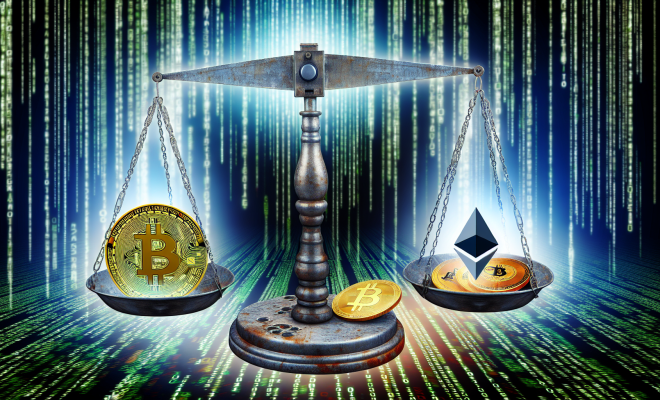
The landscape of cryptocurrency has undergone a significant transformation following a pivotal announcement from the U.S. Securities and Exchange Commission (SEC). In a move that clarifies the status of major cryptocurrencies, the SEC has officially classified Bitcoin and Ethereum as digital commodities rather than securities. This decision comes after over a decade of uncertainty and debate surrounding the regulatory status of these digital assets.
The SEC’s Decision: A Game Changer for Cryptocurrencies
The SEC’s classification is more than just a bureaucratic distinction; it fundamentally alters the regulatory framework for cryptocurrencies. By defining Bitcoin and Ethereum as commodities, the SEC has alleviated some of the regulatory risks that have historically plagued these assets. This change is expected to pave the way for increased institutional adoption, as financial entities are often hesitant to engage with assets that are classified as securities due to stringent regulations.
Understanding the Implications
Bitcoin, often regarded as the flagship cryptocurrency, is likely to be the primary beneficiary of this regulatory clarity. Its established reputation as a digital commodity makes it an attractive option for institutional investors looking to diversify their portfolios. As the SEC’s decision reduces uncertainty, analysts predict that this will lead to a surge in capital inflows into cryptocurrencies.
- Regulatory Assurance: The SEC’s classification helps mitigate fears surrounding potential crackdowns on cryptocurrencies.
- Increased Institutional Interest: With reduced regulatory hurdles, institutions may find it easier to invest in cryptocurrencies.
- Broader Market Acceptance: The clear categorization could lead to wider public acceptance of cryptocurrencies as legitimate investment options.
Bitcoin’s Position in the Market
Bitcoin’s established nature as a digital commodity positions it favorably in the evolving market. As the first cryptocurrency, it has built a strong foundation and a loyal following, which could attract new investors looking for reliable assets amid economic uncertainty. Furthermore, Bitcoin’s finite supply and decentralized nature make it a compelling hedge against inflation, a factor that could become increasingly relevant as global economic dynamics shift.
The Ripple Effect on Other Cryptocurrencies
While Bitcoin stands to gain significantly from this SEC decision, Ethereum should not be overlooked. As the second-largest cryptocurrency by market capitalization, Ethereum’s classification as a commodity allows it to participate more freely in institutional investment strategies. Additionally, the Ethereum network is home to a multitude of decentralized applications (dApps) and smart contracts, which further enhances its appeal to investors.
Other cryptocurrencies like XRP are also likely to benefit from this newfound clarity. With the SEC’s acknowledgment that certain digital assets do not fall under the securities umbrella, there is potential for a broader acceptance of various cryptocurrencies by institutional investors.
Market Analysts Weigh In
Market analysts have expressed optimism regarding the SEC’s decision. Many believe that the classification of Bitcoin and Ethereum as digital commodities will lead to an influx of capital into the cryptocurrency market.
- Positive Sentiment: Analysts are optimistic that institutional investors will feel more comfortable entering the cryptocurrency market.
- Potential for Growth: The anticipation of increased investment could lead to a bullish market trend for cryptocurrencies.
- Long-Term Stability: A clearer regulatory environment may contribute to long-term stability in the cryptocurrency market.
What Lies Ahead for Bitcoin and Ethereum?
As Bitcoin and Ethereum transition into their new roles as digital commodities, the future looks bright. With the SEC’s clarification, these cryptocurrencies can now operate with a degree of regulatory assurance that was previously lacking. This shift is expected to attract not just institutional investors, but also retail investors who may have been wary of entering the market due to regulatory concerns.
Moreover, as more investors pour capital into these digital assets, the overall market capitalization of cryptocurrencies is likely to increase. This could further elevate the status of Bitcoin and Ethereum as leading digital assets, solidifying their positions in the financial landscape.
Conclusion
The SEC’s recent classification of Bitcoin and Ethereum as digital commodities marks a transformative moment in the cryptocurrency space. With reduced regulatory risks and heightened expectations for institutional adoption, both cryptocurrencies are poised for substantial growth. As the market adapts to this change, investors will be watching closely to see how capital flows into the cryptocurrency market and what that means for the future of digital assets.