Uber and Rivian Forge Alliance for 50,000 Autonomous Robotaxis
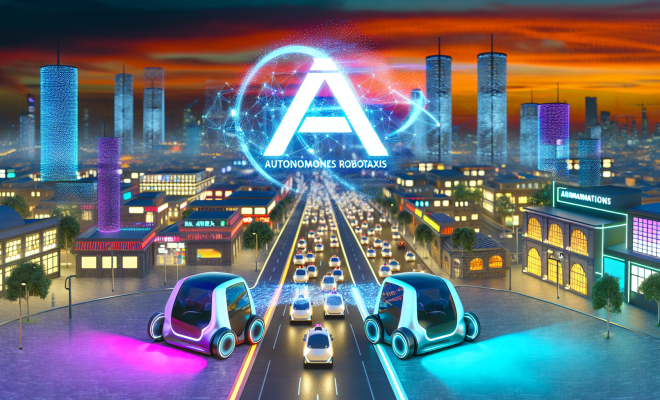
In a groundbreaking development that could reshape urban transportation, Rivian Automotive and Uber Technologies have announced a powerful partnership aimed at deploying up to 50,000 fully autonomous R2 robotaxis. This ambitious project is set to kick off with an initial rollout of 10,000 units in major metropolitan areas like San Francisco and Miami by the year 2028. The partnership aims to expand its reach to 25 cities by 2031, marking a significant step forward in both companies’ autonomous vehicle strategies.
Investment and Collaboration Details
As part of this strategic collaboration, Uber has committed to investing up to $1.25 billion in Rivian through 2031. This investment will not only bolster Rivian’s production capabilities but also serve as a crucial financial backbone to expedite the development and deployment of the autonomous robotaxi fleet. Following the signing of the agreement, an initial $300 million will be allocated, pending regulatory approvals and achievement of specific autonomous milestones.
Technological Innovations Driving the Partnership
The R2 robotaxi represents a leap forward in autonomous driving technology. Both companies are expected to leverage their unique strengths—Uber’s vast ride-hailing network and Rivian’s expertise in electric vehicle production—to create a seamless user experience for passengers. The robotaxis will be exclusively available through the Uber platform, ensuring that riders can access this innovative form of transportation through an app they are already familiar with.
The deployment of these autonomous vehicles stands to not only enhance the efficiency of ride-sharing services but also contribute to a significant reduction in urban traffic congestion and emissions. As cities around the world grapple with the challenges of pollution and gridlock, the introduction of electric, autonomous robotaxis could provide a sustainable solution.
Market Implications
The partnership between Uber and Rivian comes at a pivotal time for the autonomous vehicle market, which is projected to grow significantly in the coming years. According to industry analysts, the global autonomous vehicle market is expected to reach $557 billion by 2026, driven by advancements in technology and increasing consumer demand for safer, more efficient transportation options.
With the ongoing development of self-driving technology, both companies are positioning themselves as leaders in the autonomous vehicle landscape. The collaboration could set a standard for future partnerships in the industry, encouraging other firms to explore similar ventures that combine expertise in technology, infrastructure, and consumer engagement.
Challenges Ahead
While the partnership holds great promise, it is not without challenges. Regulatory hurdles remain a significant concern, as the deployment of autonomous vehicles must comply with varying laws and standards across different cities and states. Additionally, achieving the necessary safety and performance milestones will be crucial for both Rivian and Uber to gain public trust and regulatory approval.
Moreover, competition in the autonomous vehicle space is intensifying, with numerous players, including established automotive manufacturers and tech companies, vying for a slice of the market. Rivian and Uber will need to differentiate their offerings to capture consumer interest and achieve widespread adoption.
Consumer Perception and Future Outlook
Consumer acceptance of autonomous vehicles is another critical factor that will influence the success of this partnership. While many individuals express interest in the concept of self-driving cars, concerns about safety, reliability, and privacy continue to linger. Both Uber and Rivian must engage in extensive marketing and education efforts to alleviate these concerns and demonstrate the advantages of their robotaxi service.
As the clock ticks toward the 2028 deployment date, stakeholders are optimistic that the collaboration will not only advance the companies’ autonomous vehicle initiatives but also revolutionize urban mobility. The integration of sustainable, electric, and autonomous transportation could pave the way for smarter, more efficient cities.
Conclusion
The partnership between Rivian and Uber signals a transformative shift in the ride-hailing and autonomous vehicle sectors. With a commitment to invest significantly in the development of autonomous robotaxis, both companies are taking proactive steps toward shaping the future of transportation. As they prepare for the launch of their fleet in just a few years, the industry will be watching closely to see how this collaboration unfolds and what it means for the future of urban mobility.