Trump’s Pearl Harbor Joke: US-Japan Alliance & Iran Tensions
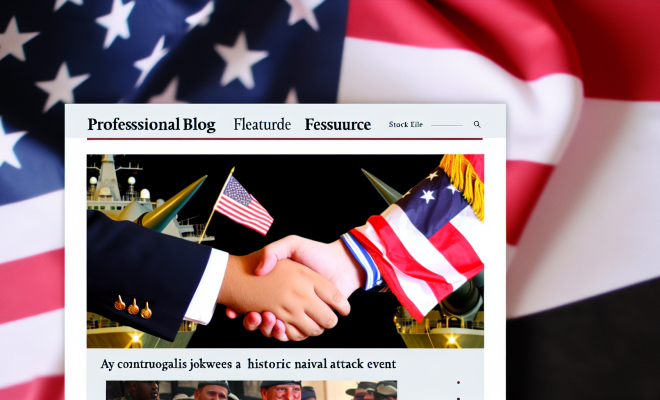
In a recent diplomatic encounter, former President Donald Trump made a controversial joke referencing Pearl Harbor, which has stirred concerns about the stability of the US-Japan alliance during a period of escalating tensions in the Middle East. This comment was directed towards Japan’s Foreign Minister Sanae Takaichi as Trump urged Japan to play a more significant role in securing the Strait of Hormuz amidst ongoing hostilities involving Iran.
The Context of the Joke
Trump’s remark came during a time when the geopolitical landscape is fraught with challenges. The Strait of Hormuz, a critical chokepoint for global oil shipments, has become increasingly volatile due to rising tensions between the United States and Iran. The former president’s joke, which alluded to the infamous attack on Pearl Harbor during World War II, was met with a muted response from Takaichi, highlighting potential strains within the US-Japan alliance.
US-Japan Alliance Under Strain
The US-Japan alliance has historically been a cornerstone of security in the Asia-Pacific region, but recent developments may be testing this relationship in unexpected ways. Japan, while a key ally of the United States, has been cautious in its military engagements, particularly in the context of Middle Eastern conflicts. Trump’s comments may have inadvertently placed pressure on Japan to reconsider its defense posture in a region where it has traditionally maintained a more reserved stance.
Reactions to Trump’s Comments
The lack of a robust reaction from Takaichi raises questions about Japan’s readiness to escalate its military involvement alongside the US. The comment could be interpreted as both an attempt to galvanize support for a more proactive Japanese defense strategy and a misstep that could alienate Japanese officials who are sensitive to historical grievances.
- Historical Sensitivities: Japan’s past military actions during World War II continue to shape its foreign policy and public sentiment. Any analogy to Pearl Harbor is likely to be viewed through a lens of historical trauma.
- Japan’s Military Posture: Japan has been gradually increasing its military capabilities, but it remains constrained by its pacifist constitution, which limits the scope of its military involvement abroad.
Broader Geopolitical Pressures
Trump’s comments come amid a backdrop of broader geopolitical pressures that are reverberating through international relations. Qatar’s Prime Minister and former Trump advisor have both emphasized that the conflict with Iran is not solely an American concern but rather a challenge that Europe must also confront. This sentiment underscores the global implications of tensions in the Middle East and the necessity for allies to collaborate more closely.
The Strait of Hormuz: A Crucial Maritime Corridor
The Strait of Hormuz is a strategic waterway through which approximately 20% of the world’s oil supply is transported. As a result, any instability in this region can have dire consequences for global energy markets. The ongoing conflict with Iran has prompted calls for increased security measures to protect maritime routes, further complicating the diplomatic landscape.
Calls for Increased Japanese Involvement
Trump’s urging for Japan to take a more active role in addressing security concerns in the Strait of Hormuz is part of a broader strategy to enhance collective defense measures among allies. However, Japan’s response to these requests has been cautious, reflecting its historical reluctance to engage in military operations outside its borders.
- Energy Security: With rising concerns over energy supply disruptions, Japan recognizes the importance of ensuring the safety of maritime routes.
- International Collaboration: While Japan may be open to increasing its involvement, it will likely seek to do so within the framework of international coalitions, rather than unilateral actions.
Conclusion: Navigating Diplomatic Challenges
Donald Trump’s Pearl Harbor joke has inadvertently brought to the forefront the delicate nature of the US-Japan alliance amid escalating tensions in the Middle East. As Japan navigates its foreign policy in a changing geopolitical environment, it must balance its historical context with the need to collaborate with allies like the United States. Moving forward, both nations will need to engage in open dialogue to address security concerns without compromising their respective national interests.
Ultimately, the effectiveness of the US-Japan alliance in the face of these challenges will depend on their ability to work together, respecting each other’s historical narratives while forging a unified front against emerging threats. The implications of Trump’s remarks may not only affect bilateral relations but could also reshape the dynamics of security cooperation in the Asia-Pacific region.