Travel Chaos: Winter Storms & Shutdown Snarl Flights 2024
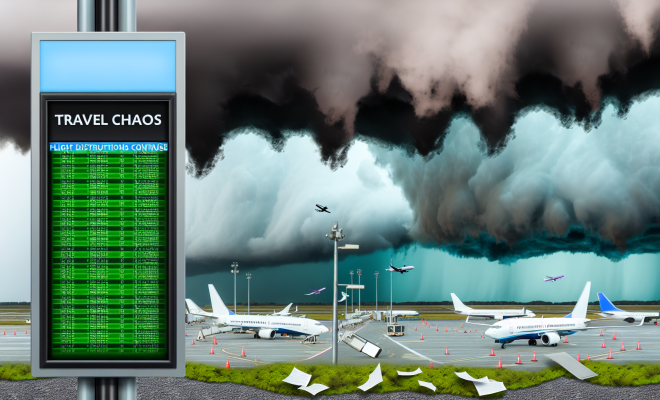
As winter storms wreak havoc across the United States, travelers are facing significant disruptions at airports, particularly in the Midwest and along the East Coast. On Tuesday, hundreds of flights were either canceled or delayed as the aftermath of powerful storms—characterized by heavy snow and strong winds—continued to affect air travel.
Storm Impact and Flight Cancellations
The storms that swept through the eastern half of the country over the weekend have left a lasting impact on air travel. Major airlines reported severe disruptions, with numerous flights grounded due to unsafe conditions. According to reports, airlines had to cancel and delay flights extensively on Tuesday, with the number of affected flights reaching into the hundreds.
These cancellations are not just a result of the storms themselves; they are compounded by a partial government shutdown that began on February 14. This shutdown has led to staffing shortages among Transportation Security Administration (TSA) screeners, further complicating the situation at airports across the nation.
Increased Airport Congestion
Adding to the chaos are the high volumes of travelers, as many families take advantage of spring break and sports fans flock to March Madness games. The combination of storm-related delays and the influx of passengers has created crowded terminals and long lines at security checkpoints. Many travelers have reported waiting hours just to get through security, exacerbating an already stressful travel experience.
Traveler Experiences
For those affected by the flight disruptions, the experience has been far from pleasant. Reports from travelers reveal stories of unexpected hardships, including:
- Sleeping on Airport Floors: Many individuals found themselves stranded overnight, unable to secure hotel accommodations due to the high demand and limited availability.
- Unexpected Hotel Expenses: For some travelers, the need for last-minute lodging resulted in unplanned expenses that added to their travel woes.
- Extended Delays: Some flights were delayed until Tuesday afternoon or even later, leaving travelers uncertain about their plans.
These experiences highlight the challenges of air travel during peak times, especially when natural disasters and external factors come into play.
Airline and TSA Responses
In response to the ongoing situation, airlines have been working diligently to communicate with passengers and provide updates regarding flight statuses. Many carriers have issued travel waivers to allow for flexibility in rescheduling flights without incurring additional fees. Passengers are encouraged to check with their airlines for the latest information and to consider alternative travel arrangements if necessary.
The TSA has also acknowledged the difficulties posed by the staffing shortages. They are actively working to manage security lines and expedite the screening process, but travelers are advised to arrive at airports earlier than usual to account for potential delays.
Looking Ahead
As the storms continue to move eastward, it is crucial for travelers to remain informed about weather conditions and flight statuses. The National Weather Service has issued warnings for various regions, indicating that the storms may bring additional snow and wind, which could lead to further flight disruptions.
Travelers planning to fly in the coming days should take proactive steps to mitigate the impact of these delays:
- Monitor Flight Status: Use airline apps or websites to stay updated on flight schedules and any potential changes.
- Flexible Travel Plans: If possible, adjust travel dates or times to avoid peak periods and potential delays.
- Pack Essentials: Bring necessary items such as snacks, medications, and chargers to prepare for unexpected layovers or delays.
Conclusion
The combination of severe weather and staffing shortages has created a challenging environment for air travelers across the United States. As storms continue to affect flights, it is essential for travelers to stay informed and prepared for possible disruptions. By taking proactive measures and maintaining flexibility, travelers can navigate these turbulent conditions more effectively and enhance their overall travel experience.