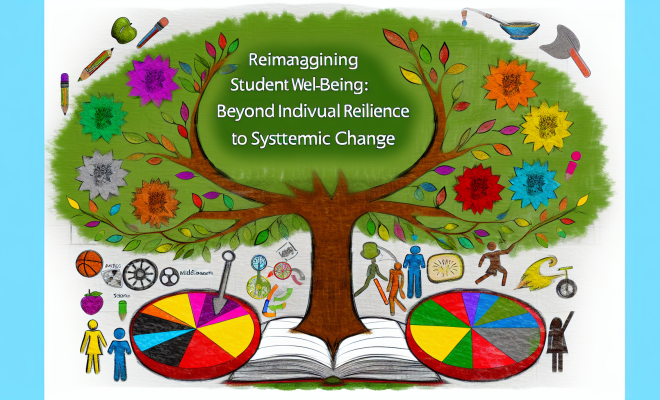
Reimagining Student Well-Being: Beyond Individual Resilience to Systemic Change
In recent years, the conversation surrounding student mental health has increasingly centered on individual self-care strategies. While practices such as adequate sleep, regular physical activity, and cultivating meaningful relationships are undeniably crucial for personal well-being, this narrow focus often overlooks the larger systemic issues that disproportionately impact students—particularly those from marginalized communities. An insightful article from Eastern Michigan University’s public health program argues for a reframing of this dialogue, advocating for a more holistic approach to well-being that extends beyond personal resilience.
The Limitations of Personal Resilience
Many wellness programs emphasize the importance of self-care, urging students to adopt practices that foster resilience. However, this approach can inadvertently suggest that the responsibility for well-being lies solely with the individual. As the article points out, when students from marginalized backgrounds are encouraged to merely “tough it out,” it can mask the significant challenges they face, including financial strain, limited access to healthcare, and structural inequities.
Understanding the Unique Challenges
Students from marginalized communities often grapple with a range of stressors that can severely impact their mental health. These may include:
- Economic Barriers: Many students are burdened by financial pressures, which can lead to anxiety and insecurity.
- Healthcare Accessibility: Limited access to mental health resources can exacerbate feelings of isolation and distress.
- Social Disparities: Experiences of discrimination or exclusion can contribute to an ongoing sense of vulnerability.
When these factors are not addressed within the context of mental health discussions, the narrative shifts away from the systemic issues that require collective action to create real change.
From Survival to Flourishing
The article emphasizes the need to shift the conversation from mere survival—coping with daily challenges—to flourishing. This entails fostering environments where students can thrive, rather than simply endure. The notion that individuals must solely rely on self-care can lead to a culture of guilt, where those struggling feel they are not doing enough.
Creating a culture that prioritizes flourishing involves:
- Collective Responsibility: Institutions must recognize their role in supporting student well-being through policies and practices that promote health equity.
- Community Engagement: Encouraging students to engage with one another can foster a sense of belonging and shared support.
- Accessible Resources: Ensuring that mental health services are readily available and tailored to diverse student needs is critical.
By adopting a broader perspective on well-being, educational institutions can begin to dismantle the barriers that hinder student success.
Advocating for Structural Change
A key takeaway from the article is the urgent need for structural awareness in mental health initiatives. This means recognizing that well-being is not solely a personal endeavor; rather, it is influenced by the environments in which students live and learn. For example, policies that address financial insecurity, promote accessible healthcare, and create inclusive campus climates are essential for fostering an atmosphere conducive to mental well-being.
Moreover, students’ voices must be included in these conversations. By actively involving students in the decision-making processes related to their health and well-being, universities can better understand the specific challenges they face and tailor solutions accordingly.
Conclusion: A Call to Action
The conversation surrounding student health and well-being is at a pivotal moment. While individual self-care strategies remain important, they should not overshadow the critical need for systemic change. By advocating for a shift in focus from survival to flourishing, educational institutions can create a more supportive environment that recognizes the unique challenges faced by students from marginalized communities.
It is essential for universities to move beyond motivational approaches and embrace a collective responsibility for mental health. Only through such comprehensive efforts can we hope to foster a culture where all students not only survive but thrive, ultimately contributing to a healthier, more equitable future for everyone.