NASA’s 2026 HJ1: A Close Encounter with a Bus-Sized Asteroid
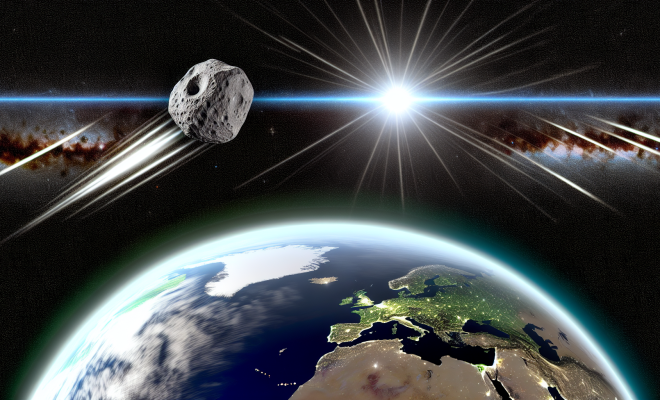
On April 21, 2026, a bus-sized asteroid, designated as 2026 HJ1, is set to make a close pass by Earth, capturing the attention and curiosity of astronomers and space enthusiasts worldwide. This celestial event, while significant in its own right, highlights the ongoing monitoring efforts by NASA and other space agencies regarding near-Earth objects (NEOs).
The Journey of 2026 HJ1
Asteroid 2026 HJ1 is part of a larger family of near-Earth objects that scientists regularly track. These asteroids typically follow a natural elliptical orbit around the Sun, and their paths can bring them close to our planet. In the case of 2026 HJ1, it is anticipated to pass at a distance of approximately 400,000 miles from Earth, which is about 1.6 times the distance between the Earth and the Moon.
Understanding the Size and Composition
With dimensions comparable to that of a bus, 2026 HJ1 is significant enough to be noted but not large enough to pose a threat during its close approach. Experts in planetary defense emphasize that while the asteroid is sizable, its distance from Earth during the flyby ensures that there is no risk of collision. In fact, had it entered Earth’s atmosphere, it would likely disintegrate before reaching the surface, much like many small meteoroids that burn up upon entry.
Importance of Tracking Near-Earth Objects
The tracking of asteroids like 2026 HJ1 is a crucial component of planetary defense initiatives. NASA has established a comprehensive system to monitor NEOs using specialized telescopes and radar systems. This tracking program allows scientists to predict the trajectory of these celestial bodies and assess any potential risks they may pose to Earth.
What Are Near-Earth Objects?
- Definition: Near-Earth objects are asteroids or comets whose orbits bring them close to Earth’s path.
- Types: NEOs can be classified into various categories, including asteroids and comets, and further divided into subcategories such as Atira, Apollos, and Amors based on their orbits.
- Monitoring: Organizations like NASA and the European Space Agency (ESA) continuously track these objects to ensure that any potential threats can be identified well in advance.
Why 2026 HJ1 Has Captured Global Attention
The close approach of 2026 HJ1 has sparked interest not only among astronomers but also among the general public. The label of ‘near-Earth asteroid’ often invokes a sense of intrigue and concern, prompting discussions and media coverage. Despite the fact that such passes are common occurrences, the public fascination with asteroids continues to grow.
Public Perception and Education
Events like the flyby of 2026 HJ1 serve as important educational opportunities. They provide a platform for scientists to engage with the public about the nature of asteroids and the measures in place to protect our planet. Social media, news outlets, and educational institutions often utilize these occasions to disseminate information regarding the science of asteroids and the significance of ongoing monitoring efforts.
NASA’s Continuous Monitoring Efforts
NASA’s Near-Earth Object Observations (NEOO) program plays a pivotal role in identifying and tracking NEOs. Through this program, NASA utilizes advanced telescope systems to detect, characterize, and predict the orbits of these objects. The data collected not only helps scientists understand the dynamics of these asteroids but also enhances our preparedness for any potential future threats.
Technological Advancements in Asteroid Tracking
Recent advancements in technology have significantly improved our ability to track and monitor asteroids. Some of the key developments include:
- Infrared Telescopes: These telescopes can detect heat emitted by asteroids, allowing for better characterization of their size and composition.
- Radar Imaging: Radar systems can provide detailed images of NEOs, giving scientists valuable insights into their shapes and surface features.
- Data Sharing Initiatives: Collaborative efforts among international space agencies enable sharing of data, enhancing the global tracking network for NEOs.
The Science Behind Asteroid Monitoring
Monitoring asteroids like 2026 HJ1 involves complex scientific processes. Astronomers analyze the light reflected off asteroids to determine their size, shape, and surface characteristics. This process, known as photometry, allows scientists to infer the asteroid’s composition and understand its potential impact on Earth.
Collaboration Among Space Agencies
International collaboration is essential in the field of asteroid monitoring. Various space agencies work together to share findings and enhance tracking capabilities. For instance, NASA collaborates with the ESA, the Japan Aerospace Exploration Agency (JAXA), and other organizations to foster a global approach to planetary defense.
Future Implications of Close Approaches
The close pass of 2026 HJ1 serves as a reminder of the importance of continued vigilance when it comes to monitoring near-Earth objects. While this specific flyby poses no risk, the data collected from such events can inform future planetary defense strategies.
Potential Threats from Larger NEOs
While 2026 HJ1 is not a threat, larger asteroids pose significant risks. Scientists categorize NEOs based on their size, and those larger than 140 meters are considered hazardous:
- Potential Impacts: Larger asteroids have the potential to cause widespread destruction upon impact, leading to loss of life and significant environmental changes.
- Mitigation Strategies: Researchers are actively exploring methods to deflect or disrupt threatening asteroids, including kinetic impactors and gravitational tractors.
Conclusion: The Future of Asteroid Monitoring
As we look ahead, the flyby of 2026 HJ1 underscores the importance of ongoing monitoring and research into near-Earth objects. While the asteroid poses no immediate threat, the event serves as a valuable opportunity for scientists to enhance their understanding of these celestial bodies and develop effective strategies for planetary defense. Public interest in asteroids continues to grow, fostering a broader appreciation for the complexities of our solar system and the importance of safeguarding our planet from potential cosmic threats.