The Edvocate

Top Menu

Main Menu

  • Start Here
    • Our Brands
    • Governance
      • Lynch Education Consulting, LLC.
      • Dr. Lynch’s Personal Website
      • Careers
    • Write For Us
    • Books
    • The Tech Edvocate Product Guide
    • Contact Us
    • The Edvocate Podcast
    • Edupedia
    • Pedagogue
    • Terms and Conditions
    • Privacy Policy
  • PreK-12
    • Assessment
    • Assistive Technology
    • Best PreK-12 Schools in America
    • Child Development
    • Classroom Management
    • Early Childhood
    • EdTech & Innovation
    • Education Leadership
    • Equity
    • First Year Teachers
    • Gifted and Talented Education
    • Special Education
    • Parental Involvement
    • Policy & Reform
    • Teachers
  • Higher Ed
    • Best Colleges and Universities
    • Best College and University Programs
    • HBCU’s
    • Diversity
    • Higher Education EdTech
    • Higher Education
    • International Education
  • Advertise
  • The Tech Edvocate Awards
    • The Awards Process
    • Finalists and Winners of The 2026 Tech Edvocate Awards
    • Finalists and Winners of The 2025 Tech Edvocate Awards
    • Finalists and Winners of The 2024 Tech Edvocate Awards
    • Finalists and Winners of The 2023 Tech Edvocate Awards
    • Finalists and Winners of The 2021 Tech Edvocate Awards
    • Finalists and Winners of The 2022 Tech Edvocate Awards
    • Finalists and Winners of The 2020 Tech Edvocate Awards
    • Finalists and Winners of The 2019 Tech Edvocate Awards
    • Finalists and Winners of The 2018 Tech Edvocate Awards
    • Finalists and Winners of The 2017 Tech Edvocate Awards
    • Award Seals
  • Apps
    • GPA Calculator for College
    • GPA Calculator for High School
    • Cumulative GPA Calculator
    • Grade Calculator
    • Weighted Grade Calculator
    • Final Grade Calculator
  • The Tech Edvocate
  • Post a Job
  • AI Powered Personal Tutor

logo

The Edvocate

  • Start Here
    • Our Brands
    • Governance
      • Lynch Education Consulting, LLC.
      • Dr. Lynch’s Personal Website
        • My Speaking Page
      • Careers
    • Write For Us
    • Books
    • The Tech Edvocate Product Guide
    • Contact Us
    • The Edvocate Podcast
    • Edupedia
    • Pedagogue
    • Terms and Conditions
    • Privacy Policy
  • PreK-12
    • Assessment
    • Assistive Technology
    • Best PreK-12 Schools in America
    • Child Development
    • Classroom Management
    • Early Childhood
    • EdTech & Innovation
    • Education Leadership
    • Equity
    • First Year Teachers
    • Gifted and Talented Education
    • Special Education
    • Parental Involvement
    • Policy & Reform
    • Teachers
  • Higher Ed
    • Best Colleges and Universities
    • Best College and University Programs
    • HBCU’s
    • Diversity
    • Higher Education EdTech
    • Higher Education
    • International Education
  • Advertise
  • The Tech Edvocate Awards
    • The Awards Process
    • Finalists and Winners of The 2026 Tech Edvocate Awards
    • Finalists and Winners of The 2025 Tech Edvocate Awards
    • Finalists and Winners of The 2024 Tech Edvocate Awards
    • Finalists and Winners of The 2023 Tech Edvocate Awards
    • Finalists and Winners of The 2021 Tech Edvocate Awards
    • Finalists and Winners of The 2022 Tech Edvocate Awards
    • Finalists and Winners of The 2020 Tech Edvocate Awards
    • Finalists and Winners of The 2019 Tech Edvocate Awards
    • Finalists and Winners of The 2018 Tech Edvocate Awards
    • Finalists and Winners of The 2017 Tech Edvocate Awards
    • Award Seals
  • Apps
    • GPA Calculator for College
    • GPA Calculator for High School
    • Cumulative GPA Calculator
    • Grade Calculator
    • Weighted Grade Calculator
    • Final Grade Calculator
  • The Tech Edvocate
  • Post a Job
  • AI Powered Personal Tutor
  • Brady’s Bold Claim: Is Modern Parenting ‘Screwing Up’ Our Kids?

  • The Astonishing Truth About Screen Time and Your Child’s Brain

  • Back to School: Five Topics to Watch in Education Policy

  • The Brutal Truth: AI Is Erasing Junior Jobs — Here’s How to Fight Back

  • The Staggering Truth: AI Adoption is Gutting Junior Roles While Skyrocketing Senior Opportunities

  • Why Junior Professionals MUST Upskill in AI NOW: A Staggering New Study Reveals All

  • The Troubling Truth About AI’s Impact on Jobs: Junior Roles Vanish as Senior Positions Soar

  • Shocking Cuts: Why These UK Universities Face a Brutal 2026

  • 8 Game-Changing Online Courses to Conquer University Strikes and Elevate Your Education

  • Your University Job Is On The Line: The Unsettling Truth About Staff Rights During Strikes

Uncategorized
Home›Uncategorized›Texas Judge Rules Against Black Teen in Hair Discrimination Case

Texas Judge Rules Against Black Teen in Hair Discrimination Case

By Matthew Lynch
January 2, 2025
0
Spread the love

In a notable and contentious case in Texas, a state judge has ruled against a Black high school student who challenged the school district’s dress code, asserting that it discriminated against him due to the natural texture and style of his hair. This ruling has sparked widespread debate about race, identity, and the implications of grooming policies in educational institutions.

Background of the Case

The case centers on a 17-year-old Black student who was barred from participating in his school’s extracurricular activities due to violations of a grooming policy imposed by his district. The policy enforced standards regarding hair length and style, which the student contended unfairly targeted Black hairstyles, particularly those common in Black communities, such as afros and braids.

The student argued that his hairstyle was a form of self-expression tied to his cultural identity and insisted it should not result in disciplinary action. In a broader sense, the case highlighted the ongoing tensions between institutional policies and the cultural expressions of students of color, reflecting long-standing issues of racial discrimination and the policing of Black bodies.

The Legal Ruling

The judge’s ruling dismissed the student’s claims, stating that the school district’s grooming policies were legally sanctioned and did not constitute racial discrimination. The court found that the rules applied equally to all students, regardless of race. The judge emphasized the need for a conducive educational environment and argued that maintaining traditional grooming standards fell within the district’s purview.

However, critics of the ruling assert that the legal interpretation neglects the profound implications of grooming policies on marginalized students. Many advocates argue that such policies disproportionately impact Black students and undermine their cultural identity, leading to broader questions about inclusivity and systemic racism within educational frameworks.

Community Response

The ruling has sparked an outpouring of support for the teen, with many in the community rallying in his defense. Activists, parents, and students have organized protests and social media campaigns to raise awareness about the issue of hair discrimination. They argue that schools should embrace diversity, including diverse hairstyles that reflect cultural heritage, rather than impose restrictive policies that erase individuality.

Prominent figures and organizations within educational and civil rights spheres have weighed in, condemning the ruling as a setback for equity in schools. They advocate for the implementation of policies that honor and celebrate the diverse backgrounds of all students rather than marginalize them.

The Broader Context

This case is part of a growing movement addressing hair discrimination across the United States. Several states have enacted legislation banning discriminatory practices related to hairstyle, particularly those that affect Black individuals. The CROWN Act (Creating a Respectful and Open World for Natural Hair) is a prime example, aiming to ensure that individuals are protected from discrimination based on their natural hairstyles.

The debate over hair discrimination is emblematic of broader discussions regarding race, identity, and societal norms in American schools. Proponents of cultural acceptance argue that educational institutions must adapt to reflect the diversity of their student populations, while opponents argue for maintaining traditional standards in the interest of discipline and uniformity.

Conclusion

The ruling against the Texas high school teen is a critical moment in the ongoing conversation about race, identity, and education in the United States. As the community continues to rally behind the student, the case underscores a fundamental question: How can schools foster an environment that respects and acknowledges the rich tapestry of cultures represented within their walls? The outcome of this case could have lasting implications, not merely for the student involved but for educational policies and the fight against hair discrimination nationwide.

As the discussion evolves, it is clear that the intersection of culture, race, and self-expression will remain a pivotal issue in schools, requiring thoughtful consideration and action from educators, policymakers, and communities alike.PreK-12 education


Previous Article

Racial Differences in Victims of School Crime ...

Next Article

Florida Universities Scrutinize Courses for Anti-Israel Bias

Matthew Lynch

Related articles More from author

  • Uncategorized

    20 Wild Ways to Explore Animal Habitats With Kids

    January 2, 2025
    By Matthew Lynch
  • Uncategorized

    10 Teacher Evaluation Terms and What They Really Mean

    December 18, 2025
    By Matthew Lynch
  • Uncategorized

    3 Hot Video Game Stocks to Watch in 2026

    May 6, 2026
    By Matthew Lynch
  • Uncategorized

    Texas Teacher Retirement: Fight Back Against Potential 2027 Pension Cuts

    July 25, 2026
    By Matthew Lynch
  • Uncategorized

    Celestial Wonders Await: April 2026’s Sky Events

    April 1, 2026
    By Matthew Lynch
  • Uncategorized

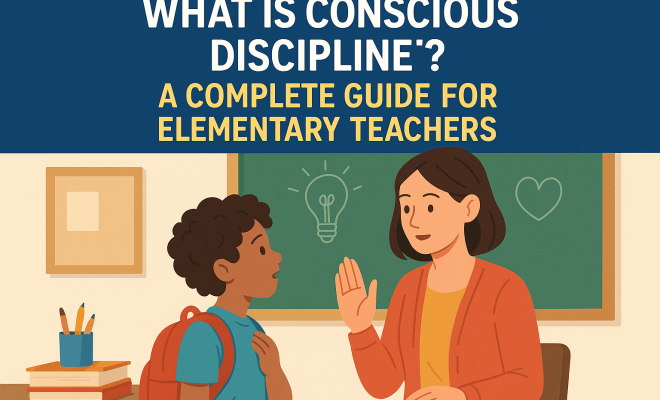
    Conscious Discipline: A Guide for Elementary Teachers

    June 16, 2026
    By Matthew Lynch

Search

Registration and Login

  • Log in
  • Entries feed
  • Comments feed
  • WordPress.org

Newsletter

Signup for The Edvocate Newsletter and have the latest in P-20 education news and opinion delivered to your email address!

RSS feed: Matthew on Education Week Matthew on Education Week

  • Au Revoir from Education Futures November 20, 2018 Matthew Lynch
  • 6 Steps to Data-Driven Literacy Instruction October 17, 2018 Matthew Lynch
  • Four Keys to a Modern IT Approach in K-12 Schools October 2, 2018 Matthew Lynch
  • What's the Difference Between Burnout and Demoralization, and What Can Teachers Do About It? September 27, 2018 Matthew Lynch
  • Revisiting Using Edtech for Bullying and Suicide Prevention September 10, 2018 Matthew Lynch

About Us

The Edvocate was created in 2014 to argue for shifts in education policy and organization in order to enhance the quality of education and the opportunities for learning afforded to P-20 students in America. What we envisage may not be the most straightforward or the most conventional ideas. We call for a relatively radical and certainly quite comprehensive reorganization of America’s P-20 system.

That reorganization, though, and the underlying effort, will have much to do with reviving the American education system, and reviving a national love of learning.  The Edvocate plans to be one of key architects of this revival, as it continues to advocate for education reform, equity, and innovation.

Newsletter

Signup for The Edvocate Newsletter and have the latest in P-20 education news and opinion delivered to your email address!

Contact

The Edvocate
910 Goddin Street
Richmond, VA 23230
(601) 630-5238
[email protected]
  • situs togel online
  • dentoto
  • situs toto 4d
  • situs toto slot
  • toto slot 4d
Copyright (c) 2026 Matthew Lynch. All rights reserved.