The Edvocate

Top Menu

Main Menu

  • Start Here
    • Our Brands
    • Governance
      • Lynch Education Consulting, LLC.
      • Dr. Lynch’s Personal Website
      • Careers
    • Write For Us
    • Books
    • The Tech Edvocate Product Guide
    • Contact Us
    • The Edvocate Podcast
    • Edupedia
    • Pedagogue
    • Terms and Conditions
    • Privacy Policy
  • PreK-12
    • Assessment
    • Assistive Technology
    • Best PreK-12 Schools in America
    • Child Development
    • Classroom Management
    • Early Childhood
    • EdTech & Innovation
    • Education Leadership
    • Equity
    • First Year Teachers
    • Gifted and Talented Education
    • Special Education
    • Parental Involvement
    • Policy & Reform
    • Teachers
  • Higher Ed
    • Best Colleges and Universities
    • Best College and University Programs
    • HBCU’s
    • Diversity
    • Higher Education EdTech
    • Higher Education
    • International Education
  • Advertise
  • The Tech Edvocate Awards
    • The Awards Process
    • Finalists and Winners of The 2026 Tech Edvocate Awards
    • Finalists and Winners of The 2025 Tech Edvocate Awards
    • Finalists and Winners of The 2024 Tech Edvocate Awards
    • Finalists and Winners of The 2023 Tech Edvocate Awards
    • Finalists and Winners of The 2021 Tech Edvocate Awards
    • Finalists and Winners of The 2022 Tech Edvocate Awards
    • Finalists and Winners of The 2020 Tech Edvocate Awards
    • Finalists and Winners of The 2019 Tech Edvocate Awards
    • Finalists and Winners of The 2018 Tech Edvocate Awards
    • Finalists and Winners of The 2017 Tech Edvocate Awards
    • Award Seals
  • Apps
    • GPA Calculator for College
    • GPA Calculator for High School
    • Cumulative GPA Calculator
    • Grade Calculator
    • Weighted Grade Calculator
    • Final Grade Calculator
  • The Tech Edvocate
  • Post a Job
  • AI Powered Personal Tutor

logo

The Edvocate

  • Start Here
    • Our Brands
    • Governance
      • Lynch Education Consulting, LLC.
      • Dr. Lynch’s Personal Website
        • My Speaking Page
      • Careers
    • Write For Us
    • Books
    • The Tech Edvocate Product Guide
    • Contact Us
    • The Edvocate Podcast
    • Edupedia
    • Pedagogue
    • Terms and Conditions
    • Privacy Policy
  • PreK-12
    • Assessment
    • Assistive Technology
    • Best PreK-12 Schools in America
    • Child Development
    • Classroom Management
    • Early Childhood
    • EdTech & Innovation
    • Education Leadership
    • Equity
    • First Year Teachers
    • Gifted and Talented Education
    • Special Education
    • Parental Involvement
    • Policy & Reform
    • Teachers
  • Higher Ed
    • Best Colleges and Universities
    • Best College and University Programs
    • HBCU’s
    • Diversity
    • Higher Education EdTech
    • Higher Education
    • International Education
  • Advertise
  • The Tech Edvocate Awards
    • The Awards Process
    • Finalists and Winners of The 2026 Tech Edvocate Awards
    • Finalists and Winners of The 2025 Tech Edvocate Awards
    • Finalists and Winners of The 2024 Tech Edvocate Awards
    • Finalists and Winners of The 2023 Tech Edvocate Awards
    • Finalists and Winners of The 2021 Tech Edvocate Awards
    • Finalists and Winners of The 2022 Tech Edvocate Awards
    • Finalists and Winners of The 2020 Tech Edvocate Awards
    • Finalists and Winners of The 2019 Tech Edvocate Awards
    • Finalists and Winners of The 2018 Tech Edvocate Awards
    • Finalists and Winners of The 2017 Tech Edvocate Awards
    • Award Seals
  • Apps
    • GPA Calculator for College
    • GPA Calculator for High School
    • Cumulative GPA Calculator
    • Grade Calculator
    • Weighted Grade Calculator
    • Final Grade Calculator
  • The Tech Edvocate
  • Post a Job
  • AI Powered Personal Tutor
  • Baffling New Studies Reveal the TRUTH About Screen Time Effects on Children

  • The Astonishing Reason CXOs Are Rushing to Master AI Now

  • This Game-Changing AI Nanny Software Will Transform Parenting — But At What Cost?

  • The Alarming Truth About AI and Your Job: What the WEF Really Says

  • This Looming Crisis Will Drastically Reshape Your Family’s Future

  • The Brutal Reality: 10 Harsh Truths About Life as a Single Mother No One Talks About

  • The AI Revolution in Education: 10 Astonishing Ways It’s Changing Everything (For Better or Worse)

  • Unprecedented Student Loan Forgiveness Crackdown: What You MUST Know Before 2026

  • Announcing the Winners of the 2026 Tech Edvocate Awards

  • Mind-Blowing: Meta Just Paid $16.68 Billion to Settle Social Media Addiction Claims

Uncategorized
Home›Uncategorized›What Principals Do to Motivate Teachers to Resign

What Principals Do to Motivate Teachers to Resign

By Matthew Lynch
January 2, 2025
0
Spread the love

Every May and June, millions of K-12 educators leave their employment, either to transfer to another school within their district, teach in another district, or retire from the teaching profession. Their decision is correctly influenced by the principal’s effectiveness. 

So, what do principals do to entice their teachers to leave? Continue reading to find out.

Mistake number one is to set goals or expectations that are inconsistent. Consider this: You suggest that teachers implement a zero-tolerance policy for bullying, swearing, and fighting. When you are flooded with learner referrals, though, you advise instructors to take a more casual approach. This will irritate instructors and give the appearance that you are unwilling to be strict with punishment. Your inconsistency makes their lives a living misery since it makes it difficult for them to keep order in their classroom. They move on when they reach a point of exhaustion

What steps can you take to avoid this situation?

When you set objectives or goals for educators, make sure you stick to them. Your staff will feel more safe if you are upfront and consistent with your expectations. This will make your school building a lot more appealing.

Mistake 2: Placing people in inappropriate jobs. Assume you conduct an interview with a teacher who was trained as a lower elementary school teacher. If you hire them for that position and they state that the K-3 grade level is where they feel most at ease, believe them. Don’t try to shift them to upper elementary because you did a terrible job hiring over the off-season. If you do, you will discover that, ironically, they will be the ones moving at the end of the year, but they will be moving on.

What can you do to avoid this situation? 

Be open and honest about the grade level and topic area for which you are recruiting an educator. Let them know if you believe there is a chance they will end up working in a different grade or subject. If you need to change their roles, they’ll be more open to the idea because they knew it was a possibility.

Mistake number three is failing to foster a psychologically safe school culture. Unfortunately, some schools are hostile environments. So if you notice educators and staff members being overly agreeable or quiet during staff meetings, that’s a bad sign. When educators are afraid that their ideas or constructive criticism will be greeted with reprisal, they prefer to keep their lips shut in order to avoid becoming targets. Educators become less successful and fail to flourish in a psychologically hazardous classroom. Because of this, they move on.

How can you avoid this situation? 

Create a school atmosphere in which pupils feel comfortable sharing their thoughts, opinions, and constructive criticism. This fosters a psychologically safe school environment.

Mistake 4: Creating an overly safe school culture. A healthy amount of pressure in the classroom is necessary for educator growth. When educators are under excessive pressure to improve standardized exam scores, they lose sight of what is important and are more likely to achieve results by any means necessary, including cheating. On the other hand, if educators do not feel any pressure, they may become complacent, stifling their professional growth. When educators are unable to find meaning in their work or do not believe they are growing or making a difference, they leave.

What steps can you take to avoid this situation? You want to establish a safe school climate, but you don’t want to foster a culture in which students say whatever comes to mind. Even if they are correct, some things should be left unsaid. People must also feel a moderate amount of pressure in order to perform well. If not, at least half of them will take advantage of the circumstance by exerting the least amount of energy or effort feasible. Educators must be held accountable for how their students perform, and only a high-stakes school culture can accomplish this.

What did I overlook?

Previous Article

The Benefits of STEM Education

Next Article

How to Become a More Strategic School ...

Matthew Lynch

Related articles More from author

  • Uncategorized

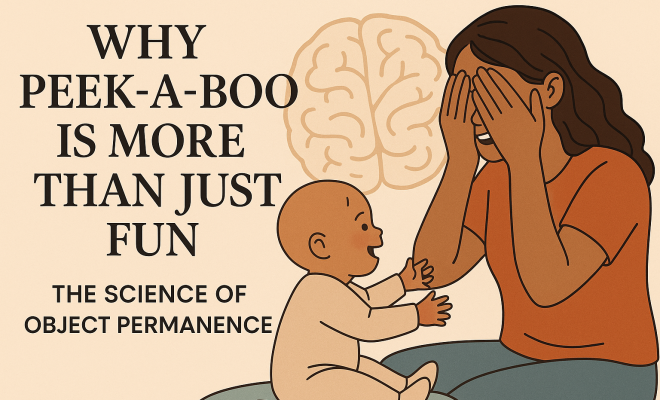
    Peek-a-Boo: Unlocking Object Permanence in Infant Development

    June 23, 2026
    By Matthew Lynch
  • Uncategorized

    Top 3 Benefits of Learning Through Play

    July 1, 2026
    By Matthew Lynch
  • Uncategorized

    Linguistic Apps That You Will Love

    January 2, 2025
    By Matthew Lynch
  • Uncategorized

    Boost Learning: 7 Strategies for Effective Formative Feedback

    June 22, 2026
    By Matthew Lynch
  • Uncategorized

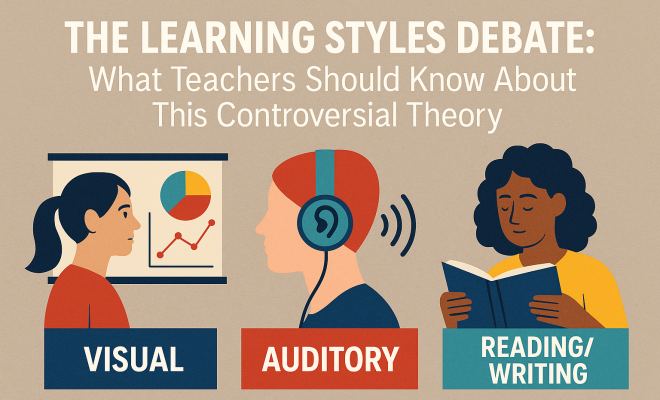
    Learning Styles Debate: What Educators Need to Know

    June 22, 2026
    By Matthew Lynch
  • Uncategorized

    Indian Startups Boost AI Spending: 86% Plan Increases by 2026

    April 8, 2026
    By Matthew Lynch

Search

Registration and Login

  • Log in
  • Entries feed
  • Comments feed
  • WordPress.org

Newsletter

Signup for The Edvocate Newsletter and have the latest in P-20 education news and opinion delivered to your email address!

RSS feed: Matthew on Education Week Matthew on Education Week

  • Au Revoir from Education Futures November 20, 2018 Matthew Lynch
  • 6 Steps to Data-Driven Literacy Instruction October 17, 2018 Matthew Lynch
  • Four Keys to a Modern IT Approach in K-12 Schools October 2, 2018 Matthew Lynch
  • What's the Difference Between Burnout and Demoralization, and What Can Teachers Do About It? September 27, 2018 Matthew Lynch
  • Revisiting Using Edtech for Bullying and Suicide Prevention September 10, 2018 Matthew Lynch

About Us

The Edvocate was created in 2014 to argue for shifts in education policy and organization in order to enhance the quality of education and the opportunities for learning afforded to P-20 students in America. What we envisage may not be the most straightforward or the most conventional ideas. We call for a relatively radical and certainly quite comprehensive reorganization of America’s P-20 system.

That reorganization, though, and the underlying effort, will have much to do with reviving the American education system, and reviving a national love of learning.  The Edvocate plans to be one of key architects of this revival, as it continues to advocate for education reform, equity, and innovation.

Newsletter

Signup for The Edvocate Newsletter and have the latest in P-20 education news and opinion delivered to your email address!

Contact

The Edvocate
910 Goddin Street
Richmond, VA 23230
(601) 630-5238
[email protected]
  • situs togel online
  • dentoto
  • situs toto 4d
  • situs toto slot
  • toto slot 4d
Copyright (c) 2026 Matthew Lynch. All rights reserved.