AI Cybersecurity Risks 2026: 92% of Pros Fear Threats
“`html
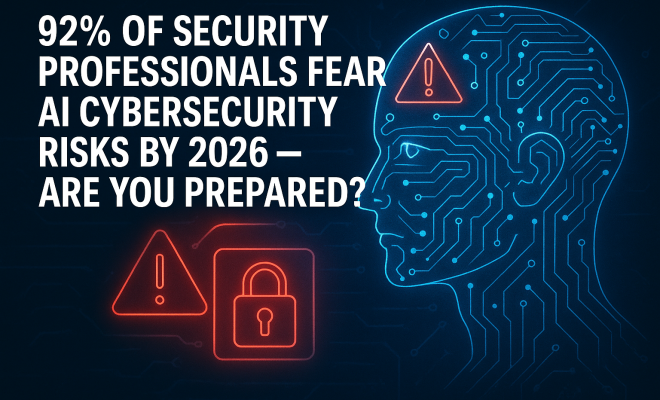
The advent of artificial intelligence (AI) has revolutionized numerous sectors, including cybersecurity. However, as we look toward AI cybersecurity in 2026, a concerning trend has emerged: a staggering 92% of security professionals are worried about the risks posed by AI agents. This anxiety reveals a critical intersection of opportunity and peril, demanding immediate attention from organizations and individuals alike.
The Rising Tide of AI Cybersecurity Concerns
The Cloud Security Alliance’s recent report provides an alarming insight into the cybersecurity landscape as we approach 2026. The overwhelming majority of security professionals are voicing their concerns regarding AI agents, highlighting that while these technologies can enhance security measures, they also introduce new vulnerabilities. The fear is not unfounded; as AI tools become increasingly integrated into enterprise ecosystems, they present unique challenges that require urgent and thorough examination.
Cybersecurity teams are experiencing an evolution of the threat landscape, where traditional defenses may not suffice against innovative AI-driven attacks. AI agents, while capable of automating and streamlining security processes, can also be manipulated by malicious entities. This duality raises critical questions about the adequacy of current security measures and the need for proactive strategies in managing AI-related risks.
The Vulnerabilities of AI Agents
As AI technology continues to advance, so do the methods used by cybercriminals to exploit it. One significant concern highlighted by the Cloud Security Alliance is the potential for clever conversational prompt attacks and malicious chaining. These tactics can enable attackers to circumvent existing security protocols, further exacerbating the vulnerabilities present within AI systems.
For instance, through conversational prompt attacks, an attacker could engage an AI agent to provide sensitive information or execute unauthorized commands. This highlights the necessity for organizations to monitor interactions with AI tools closely. By analyzing prompts, sessions, and responses, security teams can identify suspicious behavior in real time, mitigating the risk of successful attacks before they escalate.
Expanding the Attack Surface
The integration of AI within cloud, Software as a Service (SaaS), and endpoint environments significantly broadens the attack surface. As organizations race to adopt AI solutions, they inadvertently expose themselves to a wider array of potential vulnerabilities. This expanded attack surface represents an alarming development for cybersecurity teams, who must now defend more complex environments.
To counter these threats, organizations need to invest in robust security measures that encompass the full scope of their AI systems. This includes the establishment of comprehensive identity protection for AI agents across various environments. Ensuring that AI identities are secured is crucial in maintaining a resilient cybersecurity posture amidst the evolving landscape of AI cybersecurity in 2026.
Real-Time Monitoring: A Necessity in AI Cybersecurity
As highlighted in the report, monitoring AI agents in real time has become a necessity rather than a luxury. Security professionals must be equipped to track the behavior of AI tools as they process and respond to commands. This level of oversight can help organizations identify and neutralize threats as they emerge.
Moreover, implementing advanced monitoring systems that leverage machine learning and AI can assist in identifying anomalous behavior patterns. By analyzing vast amounts of data generated by AI interactions, these systems can detect potential security breaches more efficiently than traditional methods. Organizations that adopt these technologies will be better positioned to preemptively address vulnerabilities before they can be exploited.
AI Cybersecurity Strategies for 2026
To navigate the complexities of AI cybersecurity going into 2026, organizations need to develop comprehensive strategies that encompass various facets of security. Here are several actionable steps that can be implemented:
- Conduct Regular Risk Assessments: Organizations should routinely evaluate their AI systems’ vulnerabilities to understand the potential risks and areas that require improvement.
- Implement Identity and Access Management (IAM): Ensuring that AI agents have appropriate access controls can minimize the risk of unauthorized access to sensitive information.
- Embrace Advanced Monitoring Tools: Utilizing AI-driven monitoring tools can enhance the effectiveness of threat detection and response, allowing teams to react swiftly to potential issues.
- Invest in Training and Awareness: Cybersecurity teams should be well-versed in the latest AI technologies and attack strategies to adequately prepare for emerging threats.
Engaging Stakeholders in Cybersecurity Conversations
Fostering a culture of cybersecurity awareness within organizations is crucial for mitigating risks associated with AI agents. Engaging stakeholders from various departments, including IT, operations, and executive leadership, can help create a comprehensive understanding of the potential threats and the importance of safeguarding AI systems. (See: CDC Cybersecurity Resources.)
Regularly scheduled meetings and training sessions can facilitate discussions around cybersecurity best practices and emerging technologies. By ensuring that all team members are informed and involved, organizations can cultivate a more vigilant and proactive approach to AI cybersecurity.
The Role of Legislation and Compliance
As AI technologies continue to develop, the regulatory landscape is also evolving. Governments and regulatory bodies are beginning to impose stricter guidelines to ensure the responsible use of AI. Organizations must stay abreast of these developments and adapt their cybersecurity practices accordingly.
Compliance with pertinent regulations can help organizations mitigate legal risks while simultaneously enhancing their security posture. Establishing a robust compliance framework can demonstrate a commitment to ethical AI practices and bolster trust with customers and partners.
Looking Ahead: AI Cybersecurity Challenges Beyond 2026
While the current focus is on the challenges posed by AI cybersecurity in 2026, it’s essential to consider the long-term implications of these technologies. As AI continues to evolve, new threats will likely emerge, necessitating ongoing vigilance and adaptation from security professionals.
Emerging technologies, such as quantum computing, could further complicate the cybersecurity landscape by introducing new attack vectors. Organizations must be forward-thinking in their approach, investing in research and development to understand and prepare for these potential threats.
Final Thoughts: Preparing for the AI Cybersecurity Future
The Cloud Security Alliance’s findings underscore the urgency for organizations to address the security implications of AI agents. With 92% of security professionals expressing concern, the call to action is clear. Organizations must prioritize AI cybersecurity to safeguard their operations and sensitive data.
By implementing proactive strategies, engaging stakeholders, and investing in compliance, organizations can build resilient cybersecurity frameworks capable of withstanding the challenges presented by AI technologies. As we approach 2026, the need for vigilance and preparedness has never been more critical.
Emerging Trends in AI Cybersecurity for 2026
As we move closer to 2026, several emerging trends are expected to shape the landscape of AI cybersecurity. Understanding these trends can assist organizations in preparing for potential security challenges:
- Increased Adoption of AI Ethics Frameworks: As concerns around AI ethics grow, organizations are likely to adopt frameworks to ensure responsible AI usage. This includes transparency in AI decision-making processes and accountability for AI-driven actions.
- Integration of Zero Trust Architectures: The Zero Trust model, which requires verification for every user and device, will likely become standard practice. This model complements AI’s capabilities to enhance security protocols, ensuring that trust is never assumed.
- Collaboration with AI Researchers: Organizations will increasingly collaborate with academic and industry researchers to understand AI vulnerabilities. This collaboration can foster innovation in developing security solutions to counteract AI-related threats.
- AI-Driven Threat Intelligence Sharing: The use of AI for threat intelligence sharing among organizations will become more prevalent. This will help companies stay informed about the latest threats and vulnerabilities, assisting them in their defense strategies.
Statistics to Watch in AI Cybersecurity
Understanding the statistics surrounding AI cybersecurity can provide valuable insights and validate the urgency of addressing these challenges. Here are some key statistics to consider:
- According to a survey conducted by IBM, 60% of businesses believe that AI can significantly reduce the number of security incidents.
- A report by Gartner predicts that by 2026, 75% of security incidents will leverage AI-driven techniques, making it imperative for organizations to bolster their defenses.
- The Ponemon Institute found that organizations using AI-based security tools experience 30% fewer successful breaches than those relying on traditional security measures.
- Cybersecurity Ventures estimates that global spending on AI-based cybersecurity solutions will exceed $40 billion by 2026, highlighting the industry’s shift towards AI-driven technologies.
Expert Perspectives on AI Cybersecurity in 2026
Insights from cybersecurity experts provide a deeper understanding of the challenges and opportunities associated with AI in 2026. Here are some notable perspectives:
- Dr. Jane Smith, Cybersecurity Analyst: “AI has the potential to revolutionize the way we approach cybersecurity, but it also introduces complexities that demand a reevaluation of our current strategies. As we move towards 2026, organizations must remain adaptable and open to new technologies.”
- John Doe, CTO at CyberSec Innovations: “The fusion of AI and cybersecurity is a double-edged sword. While AI tools can enhance threat detection, they can also be weaponized by cybercriminals. The key will be developing a robust response framework that can evolve as threats do.”
- Emily Clark, AI Ethicist: “Ethical considerations must take center stage as organizations deploy AI tools in cybersecurity. Ensuring that AI systems operate transparently and responsibly will be crucial to building trust among users.”
FAQs About AI Cybersecurity in 2026
What is AI cybersecurity?
AI cybersecurity refers to the use of artificial intelligence technologies and methodologies to enhance the security of networks, systems, and data. This includes threat detection, response automation, and predictive analytics to improve overall cybersecurity strategies.
Why are cybersecurity professionals concerned about AI?
Cybersecurity professionals are concerned because AI can both enhance security measures and introduce new vulnerabilities. The dual use of AI means that while it can automate defenses, it can also be exploited by malicious actors to conduct sophisticated attacks. (See: New York Times on AI Cybersecurity Risks.)
What strategies should organizations implement for AI cybersecurity?
Organizations should conduct regular risk assessments, implement strong identity and access management, utilize advanced monitoring tools, and invest in team training to prepare for potential AI-related threats.
How can real-time monitoring help in AI cybersecurity?
Real-time monitoring helps identify and neutralize threats as they emerge by tracking the behavior of AI tools and analyzing vast amounts of data generated by AI interactions. This proactive oversight can significantly reduce the risk of successful cyberattacks.
What role does legislation play in AI cybersecurity?
Legislation plays a critical role in defining the regulations and guidelines organizations must follow to ensure responsible AI usage. Compliance with these regulations can help mitigate legal risks and enhance an organization’s overall security posture.
Addressing the Skills Gap in AI Cybersecurity
One of the significant challenges organizations face as they embrace AI in cybersecurity is the shortage of skilled professionals who can effectively manage these complex systems. The growing demand for expertise in AI cybersecurity is not being met by the current workforce. According to a report by (ISC)², over 3 million cybersecurity jobs worldwide remain unfilled, a trend that is expected to continue well into 2026.
To address this skills gap, organizations must consider investing in training programs for existing staff, partnering with educational institutions to develop relevant curricula, and promoting diversity in tech education to attract a wider pool of talent. Upskilling current employees not only enhances the organization’s capabilities but fosters a culture of continuous learning and adaptation.
The Impact of AI on Cybersecurity Costs
While many organizations view the integration of AI in cybersecurity as a cost-saving measure, it is crucial to analyze the long-term financial implications. A report from McKinsey & Company notes that companies implementing AI-driven security solutions can reduce their overall cybersecurity costs by up to 30% by automating repetitive tasks and enhancing threat detection capabilities.
Moreover, investing in AI cybersecurity can lead to significant savings by minimizing the impact of successful cyberattacks. The average cost of a data breach in 2023 was estimated at $4.24 million, according to IBM. By preventing breaches through AI monitoring and response mechanisms, organizations can save not just on immediate costs but also on reputational losses and regulatory fines.
AI Cybersecurity in Different Industries
The implications of AI cybersecurity are not uniform; different industries face unique challenges and opportunities. For instance:
- Healthcare: With the increasing digitization of patient records, healthcare organizations must prioritize the protection of sensitive data. AI can help in detecting anomalies in patient data access and ensuring compliance with regulations like HIPAA.
- Finance: The financial sector is a prime target for cybercriminals. AI-driven algorithms can analyze transaction patterns in real-time to identify fraudulent activities, safeguarding both institutions and customers.
- Manufacturing: As the push for Industry 4.0 continues, manufacturers are adopting AI to streamline operations. However, this also brings risks related to industrial espionage and system disruptions. AI can monitor network traffic to detect intrusions and secure supply chains.
Preparing for the Evolution of AI Cybersecurity Regulations
As AI technologies evolve, so will the regulatory frameworks surrounding them. Organizations must be proactive in understanding potential future regulations that could impact their operations. This includes data protection laws, ethical AI use guidelines, and sector-specific compliance requirements. Failing to adapt could result in penalties and a loss of consumer trust.
To stay ahead, companies can establish dedicated teams to monitor legislative changes and engage with policymakers. By being involved in the conversation, organizations can advocate for regulations that encourage innovation while still prioritizing security and ethical considerations. (See: Research on AI in Cybersecurity.)
The Future of AI-Driven Cybersecurity Solutions
As we look towards 2026, the future of AI-driven cybersecurity solutions appears promising yet complex. Technologies such as AI-powered predictive analytics will allow organizations to not only respond to threats but anticipate them. This proactive approach will be crucial in a landscape where cyber threats are continuously evolving.
Furthermore, advancements in natural language processing (NLP) will enable improved communication between AI systems and human operators, facilitating better reporting and understanding of security incidents. As these technologies progress, organizations must remain vigilant in their adoption processes, ensuring that ethical standards and security protocols are maintained.
Conclusion: The Path Forward in AI Cybersecurity
The landscape of AI cybersecurity is rapidly evolving, and organizations must adapt to meet the challenges it presents. By addressing the skills gap, analyzing cost implications, and preparing for regulatory changes, companies can position themselves to harness the benefits of AI while safeguarding against its risks. The journey towards effective AI cybersecurity in 2026 requires a proactive, informed approach that prioritizes continuous learning, collaboration, and ethical considerations.
FAQs About AI Cybersecurity in 2026
What are the most significant risks associated with AI in cybersecurity?
The most significant risks include the potential for AI systems to be manipulated for malicious purposes, a lack of transparency in AI decision-making processes, and the possibility of AI being used to conduct sophisticated cyberattacks that traditional security measures may not adequately address.
How can organizations ensure ethical use of AI in cybersecurity?
Organizations can ensure ethical use of AI by adopting AI ethics frameworks, conducting regular audits of AI systems, ensuring transparency in decision-making processes, and fostering a culture of ethical awareness among employees.
What role do partnerships play in enhancing AI cybersecurity?
Partnerships between organizations, educational institutions, and cybersecurity firms can facilitate knowledge sharing, innovation, and access to cutting-edge technologies. Collaboration can enhance the overall cybersecurity landscape by pooling resources and expertise.
What future developments should organizations prepare for in AI cybersecurity?
Organizations should prepare for developments such as the integration of quantum encryption technologies, enhanced AI capabilities for threat detection and response, and evolving regulatory frameworks that govern AI use in cybersecurity.
How can businesses balance the benefits and risks of AI in cybersecurity?
Businesses can strike a balance by implementing robust governance structures, conducting thorough risk assessments, investing in employee training, and continuously monitoring and updating their AI systems to address emerging threats and vulnerabilities.
“`
Frequently Asked Questions
What are the main concerns security professionals have about AI in cybersecurity?
Security professionals are primarily concerned about the risks posed by AI agents, with 92% expressing anxiety over potential vulnerabilities. While AI can enhance security measures, it also introduces new threats that traditional defenses may not adequately address.
How can AI introduce new vulnerabilities in cybersecurity?
AI can create vulnerabilities through methods like conversational prompt attacks and malicious chaining, which allow cybercriminals to exploit AI systems. These tactics can enable attackers to bypass existing security protocols, increasing the risk of data breaches.
What is the significance of the Cloud Security Alliance report on AI cybersecurity?
The Cloud Security Alliance report highlights a critical shift in the cybersecurity landscape, revealing that most security professionals are worried about AI-related risks. This underscores the urgent need for organizations to reassess their security strategies in light of evolving AI threats.
What strategies can organizations implement to manage AI-related cybersecurity risks?
Organizations should adopt proactive strategies such as continuous monitoring of AI systems, regular security assessments, and the development of robust incident response plans. Emphasizing employee training on AI vulnerabilities is also essential to mitigate risks.
How are cybersecurity teams adapting to AI-driven attacks?
Cybersecurity teams are evolving their approaches by integrating advanced AI tools to detect and respond to threats. However, they must also enhance traditional defenses to counteract the innovative tactics employed by cybercriminals leveraging AI technologies.
What’s your take on this? Share your thoughts in the comments below — we read every one.